
Polymaker PETG Black 1.75mm Filament Review: Reliable and Fast
This review is based on real experiences shared by owners in online communities.
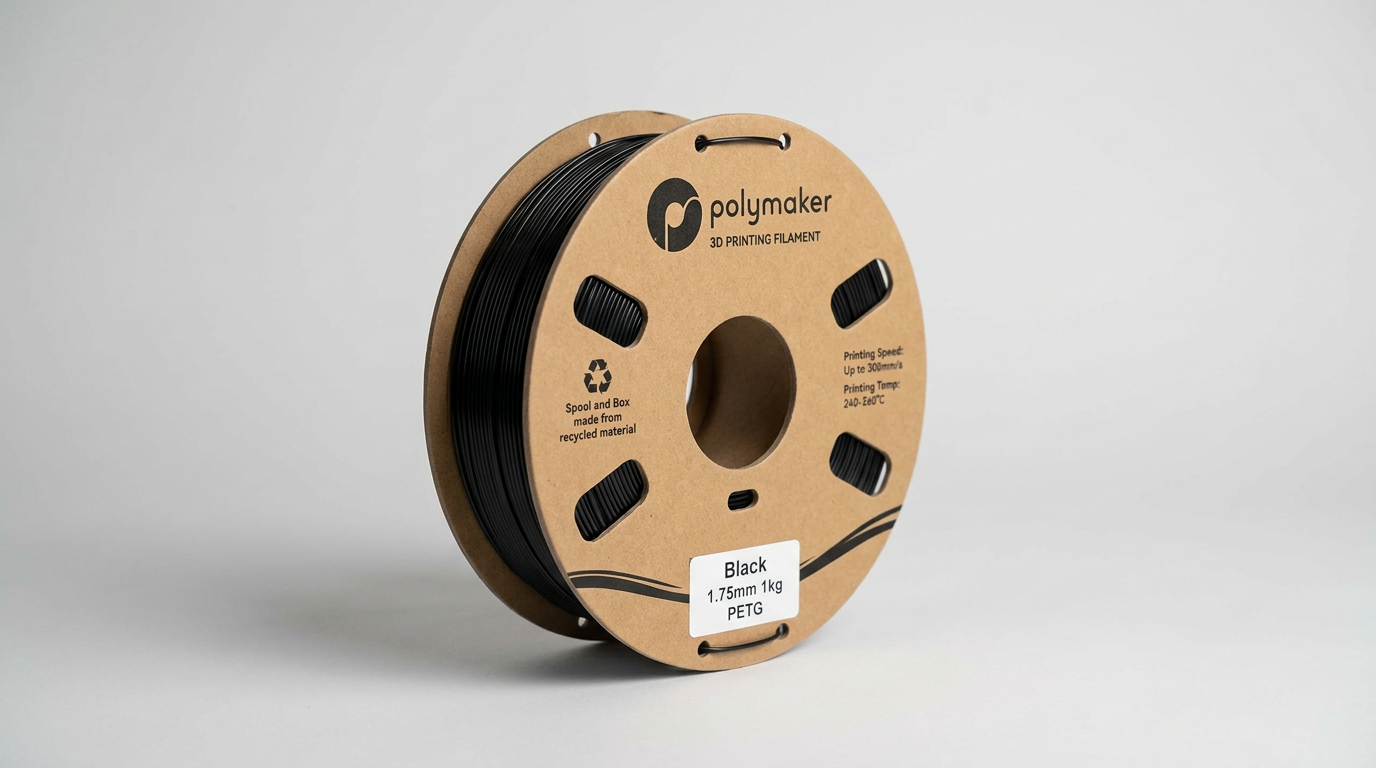
The modern 3D printing landscape increasingly values speed and consistency, particularly for functional prototypes and end-use parts where PETG excels. Polymaker's reformulated PETG enters this arena not as a revolutionary material, but as a refined contender focused on the core competencies that matter most to enthusiasts and professionals alike: reliability, print quality, and adhesion. It aims to bridge the gap between high-performance materials and the often-fickle nature of PETG printing, positioning itself as a pragmatic choice for demanding applications.
While many manufacturers claim 'easy to print' for their PETG, Polymaker's offering appears to achieve this through a careful balance, allowing users to push print speeds without sacrificing structural integrity. This approach directly addresses the perennial 'PETG Paradox,' where the material's beneficial properties are frequently offset by temperamental printing characteristics. By delivering a more forgiving experience, Polymaker aims to reduce the barrier to entry for more advanced material use, making high-strength parts accessible even on less-tuned systems.
What owners love
- + Consistent, high-quality prints with smooth finish
- + Excellent layer adhesion and strength for durable parts
- + Prints reliably at high speeds with minimal stringing
- + Well-wound, tangle-free spools, compatible with AMS systems
- + Colors are vibrant, consistent, and well-pigmented
- + Comparable ease of printing to PLA for many users
Common complaints
- − Glossy finish may not suit all aesthetic needs
- − Requires proper drying for optimal performance
- − Cardboard spools are prone to damage in transit
- − Slightly higher price point than some budget brands
Design & Build
Polymaker PETG ships on cardboard spools, a common practice for some manufacturers. Owners frequently report these spools are well-wound, contributing to tangle-free operation even during long prints. The 'end-of-filament' securing method, typically taped to the roll, is praised for allowing full consumption without issues, particularly in multi-material systems. However, a recurring point of contention involves the durability of these cardboard spools during shipping. Several owners report receiving damaged spools, which can impede their use in AMS or other automated feeding systems. This presents a 'packaging tax' on an otherwise robust product; the filament itself is high quality, but the delivery method occasionally introduces friction for the user.
Setup & Ease of Use
The Polymaker PETG is engineered for straightforward use, often described as printing 'as easy as PLA.' Owners report minimal warping and no requirement for an enclosure, simplifying the printing environment. Many users successfully leverage generic PETG profiles in their slicers, or readily available manufacturer-specific profiles for systems like Bambu Lab, requiring minimal fine-tuning. The filament's tolerance for various setups, including Prusa Mini and Snapmaker U1, speaks to its forgiving nature. However, like any PETG, proper drying remains critical; owners note a significant improvement in print quality and reduction in stringing when the filament is adequately dried. This highlights the 'drying dividend'-a small preparatory step yielding substantial returns in print reliability.
Performance in Real Use
Performance is a significant strength of this PETG, with owners consistently reporting excellent print quality, smooth finishes, and robust layer adhesion. The filament handles high speeds effectively, with some users achieving 30mm³/s output and reliable prints up to 275mm/s. Its high strength and heat resistance (up to 70 °C HDT) make it suitable for functional parts, jigs, fixtures, and outdoor components. It holds up well against mechanical stress, earning praise for its durability, particularly in drone parts and engineering prototypes. While general PETG is not known for impact resistance, this filament still delivers on its core strength promises. The filament's consistent diameter and low moisture absorption, often requiring less drying than competitors, underpin its 'consistency premium' for users prioritizing predictable outcomes.
Software & Ecosystem
Polymaker's PETG integrates well into existing 3D printing ecosystems. While dedicated profiles might not be present in every slicer by default, many users report success with generic PETG settings or readily available community profiles. For Bambu Lab users, the filament performs well with the PETG HF preset, and Polymaker provides downloadable settings for optimized performance. The filament's compatibility with AMS and multi-material systems is frequently mentioned, further enhancing its usability within more complex setups. This broad compatibility reduces the 'slicer friction' often associated with new materials, allowing users to adopt it quickly without extensive profile development.
Value & Reliability
Owners perceive Polymaker PETG as a high-quality product, often justifying its price point, which typically sits slightly above entry-level brands but below premium specialty filaments. Its consistent performance, low failure rates, and reliable output contribute to a strong value proposition, especially for those who prioritize print success over marginal cost savings. The filament's consistent color matching across batches and years is a notable benefit for projects requiring uniform aesthetics over time. While the upfront cost might be a few dollars more, the reduction in failed prints and troubleshooting time creates a 'total cost of ownership advantage' that many experienced users recognize.
Verdict
Buy - Polymaker PETG offers consistent, high-quality prints and reliable performance that justifies its price point.
This filament is an excellent choice for anyone seeking a dependable PETG for functional prints, especially those who value consistent results and higher print speeds. It suits users printing brackets, jigs, outdoor parts, or robust prototypes. If you frequently encounter issues with warping, stringing, or layer adhesion with other PETG brands, this Polymaker formulation provides a more forgiving experience. It is a solid upgrade from budget options, particularly for users with printers like the Bambu Lab A1 or Snapmaker U1, where its high-speed capabilities can be fully leveraged. Those on extremely tight budgets or users who absolutely require a matte finish for aesthetic reasons might consider alternatives, but for most functional applications, Polymaker delivers.
Polymaker's PETG represents a maturation of the material category. It is not just about raw properties, but the 'printability factor'-how effectively a material translates its potential into tangible, reliable results on diverse hardware. This filament quietly delivers on that promise, reinforcing the idea that consistency, rather than breakthrough specifications, often defines true utility in everyday additive manufacturing.
FAQ
More 3D Printing Supplies reviews
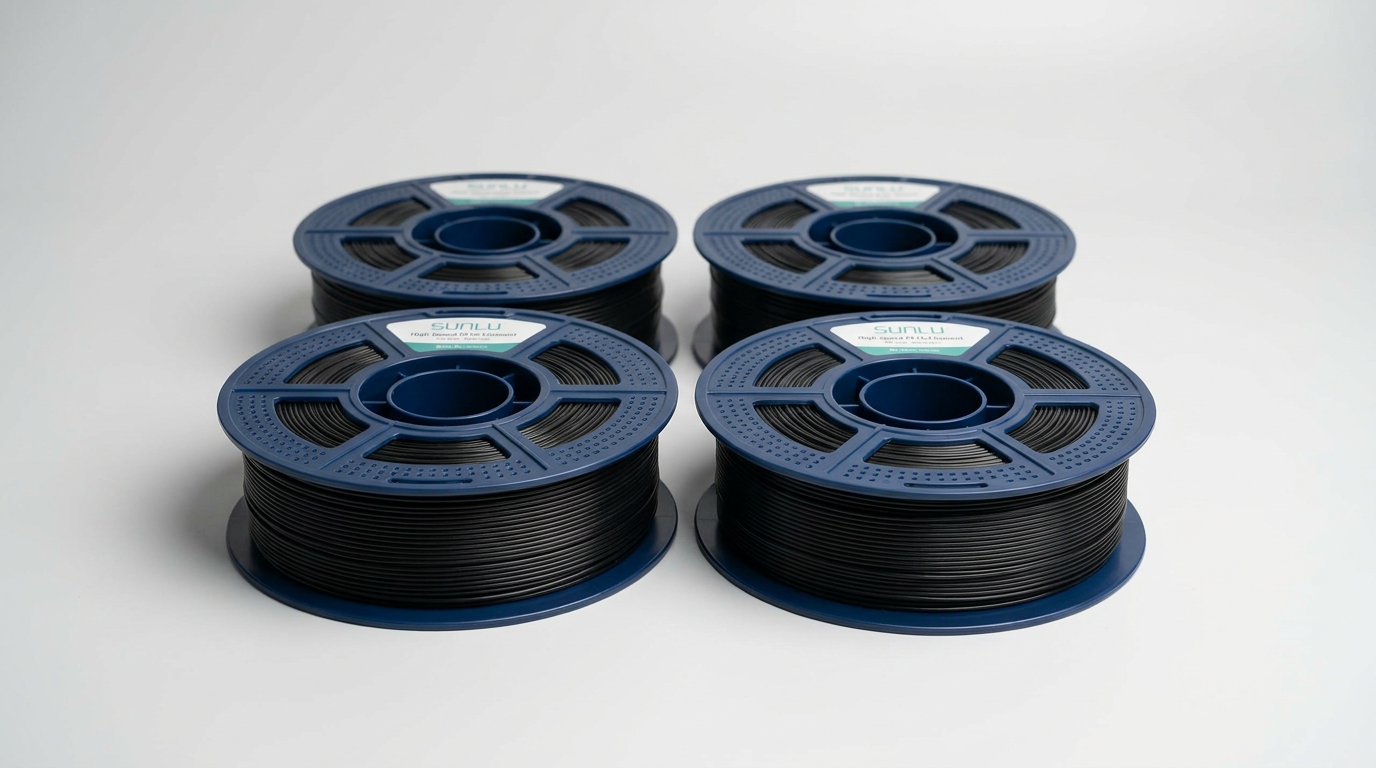
SUNLU High Speed PETG Filament Review: The 'Dry-First Economy' Advantage
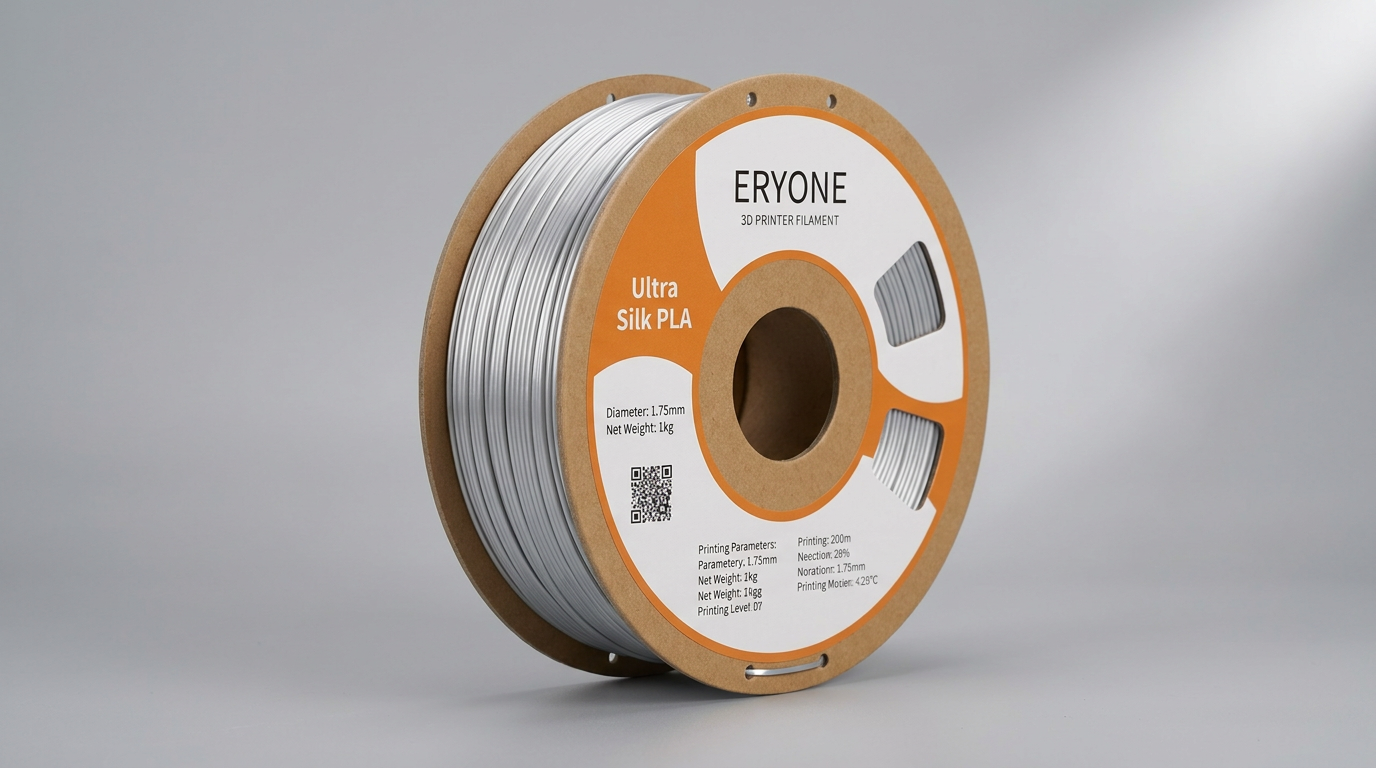
ERYONE Silk Filament PLA+ Review: The Glossy Aesthetic Standard
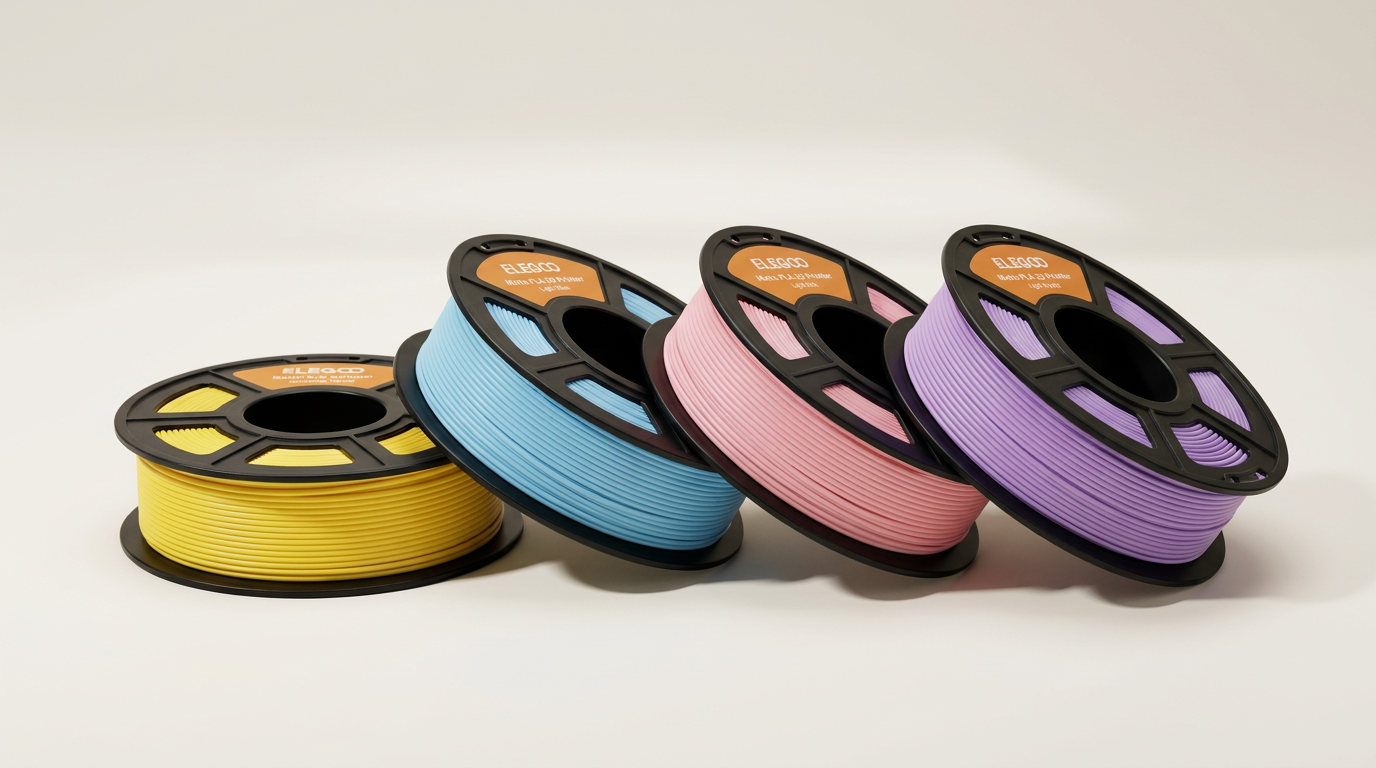
ELEGOO Matte PLA Filament Bundle Review: A Premium Material on a Budget
ELEGOO PLA Plus Filament Review: The Workhorse White
eSUN PLA Basic Filament Review: A Workhorse for 3D Printing
SUNLU PLA Plus Filament Review: The Workhorse for Everyday 3D Printing
This review is based on real experiences shared by owners in online communities.