
Generic 12 Piece Multi-Angle Markers Review: Essential 3D Scanning Dots
This review is based on real experiences shared by owners in online communities.

In the specialized world of 3D scanning, auxiliary tools often determine the success of complex projects. While scanner hardware captures geometry, accurate registration hinges on reliable reference points. The Generic 12 Piece Multi-Angle Marker set enters this niche, offering a low-cost solution designed to provide the fiducial markers necessary for robust scan alignment. Unlike adhesive dots that offer a single plane of detection, these markers promise multi-angle visibility and reusable utility, positioning them as a fundamental component in a scanner's toolkit.
However, the markers operate in a segment where functionality often precedes user experience. The critical assessment for such a product is not merely if it works, but how efficiently it integrates into a workflow and what compromises it demands. This review explores whether these markers deliver on their core promise of enhanced precision and accelerated workflow, or if their economical nature introduces friction into the scanning process.
What owners love
- + Provides clear, reflective dots for precise scanner tracking
- + Effective across multiple scanning angles
- + Reusable, reducing ongoing consumable costs
- + Compact nesting design for convenient storage
- + Directly usable upon unboxing
- + Enables robust alignment for complex objects
Common complaints
- − Lacks integrated weight, prone to shifting
- − Requires user modification for optimal stability
- − No integrated magnetic mounting solution
- − Potential for minor user inconvenience during setup
Design & Build
The Generic 12 Piece Multi-Angle Markers arrive as pyramid-shaped objects, each featuring six reflective dots strategically placed on its sides. This multi-faceted design addresses a key challenge in 3D scanning: maintaining line of sight to reference points from varying angles. Owners confirm the markers' pyramid structure is effective for tracking, allowing consistent detection during multi-pass scanning. The markers also feature a nesting design, enabling them to stack compactly for storage without requiring additional packaging, a practical detail for crowded workspaces. However, a significant design oversight, which we term the 'stability deficit,' becomes apparent during use. Owners consistently report the markers are lightweight. This lack of mass means they lack inherent stability on smooth surfaces or when subjected to minor vibrations. One user directly addressed this by gluing small magnets into the base, an essential modification for securing them during scans, particularly on metal objects like car panels. This user-driven enhancement highlights a gap between the product's intended utility and its physical manifestation.
Setup & Ease of Use
The initial setup of these markers is straightforward; they arrive ready for immediate deployment. There are no software drivers, calibration routines, or complex configurations required. Users simply place them around the object to be scanned. The ease of getting started aligns with their role as passive reference tools. However, the 'stability deficit' directly impacts their practical ease of use. While they are 'ready to scan,' their lightweight nature means they can be easily dislodged or shifted, necessitating careful placement and, as observed, user-implemented modifications. The simple act of adding weight or magnets, while effective, represents an additional step in the workflow that the product's design could have integrated. This places the burden of ensuring marker stability on the operator rather than the tool itself, potentially interrupting the flow of a scanning session.
Performance in Real Use
In live scanning environments, these markers perform their primary function of reflection effectively. Owners report that the dots 'reflect well,' confirming their visibility to 3D scanners. This directly translates to accurate tracking and robust alignment of scan data, even when combining captures from disparate angles up to 90 degrees. The multi-angle dot placement genuinely assists in preventing data loss by providing constant reference points, particularly on intricate or small objects where line of sight can be challenging. The core promise of enhanced precision holds true. The ability to add magnets, as one user did, further expands their utility by allowing secure placement on ferromagnetic surfaces, a common requirement when scanning automotive or industrial components. This adaptation demonstrates the markers' potential when their physical stability is addressed, unlocking a broader range of applications.
Software & Ecosystem
As passive physical tools, the Generic Multi-Angle Markers do not feature proprietary software or integrate into a specific digital ecosystem. They function as universal fiducial markers, compatible with any 3D scanner that relies on reflective targets for registration. This agnostic compatibility is a significant advantage, ensuring they can be deployed across various scanner brands and software suites without compatibility concerns. Their utility is purely in their physical properties-reflection and visibility-which are then interpreted by the scanner's existing algorithms for point cloud alignment. This simplicity is a strength; the markers are a foundational component that supports, rather than dictates, the digital workflow. Their value is derived from their ability to reliably feed data into the scanner's processing pipeline, making them a low-friction addition to any scanning setup.
Value & Reliability
Priced under $20, the Generic 12 Piece Multi-Angle Marker set offers an economical solution for 3D scanning reference points. Their reusable nature represents a long-term cost saving compared to single-use adhesive dots. Owners attest to their functionality, indicating they are reliable in reflecting light for scanner detection. The primary reliability concern stems from their inherent lightness, which can lead to instability if not addressed. The need for user modifications, such as adding magnets, points to an area for improvement in reliability during practical application. However, the relatively low investment cost and the straightforward nature of the required modification mean that their overall value proposition remains strong for those seeking basic, functional scanning targets without incurring the 'premium marker tax' often associated with branded alternatives. They reliably perform their core task, provided the user accounts for their physical characteristics.
Verdict
Consider - These markers provide effective, multi-angle tracking for 3D scanning, but require user modification for optimal stability.
This set is best suited for hobbyists, educational institutions, or small workshops operating on a budget who prioritize functionality over out-of-the-box refinement. Users who are comfortable with minor DIY modifications to enhance tool stability will find significant value here. Those frequently scanning large, complex, or metallic objects will especially benefit from the magnet modification. If you require immediately stable, weighted, or magnetically integrated markers without any user intervention, you should consider higher-priced alternatives.
The Generic Multi-Angle Markers reveal the 'utility-first' philosophy in niche tool design. They nail the core function of reflective tracking but offload the responsibility for physical stability to the user. This creates a hidden 'tinkerer's premium' where the advertised low price is offset by an unspoken expectation of user enhancement. For those willing to pay this premium in effort, the markers provide an essential, cost-effective aid to precision scanning.
FAQ
More 3D Scanners reviews

Creality 8-inch Rotating Turntable: A Solid Scanner Accessory
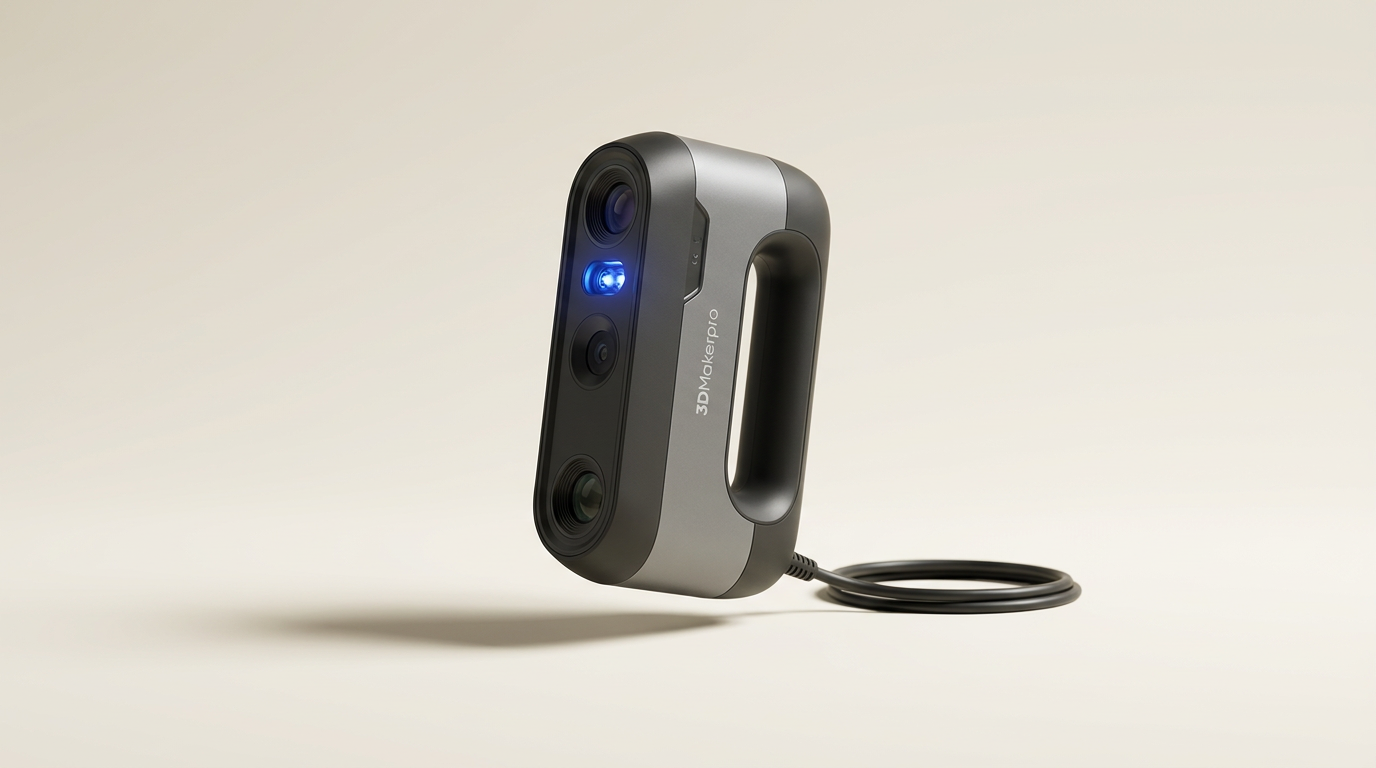
3DMakerpro Moose Standard Review: High Detail for the Serious Hobbyist
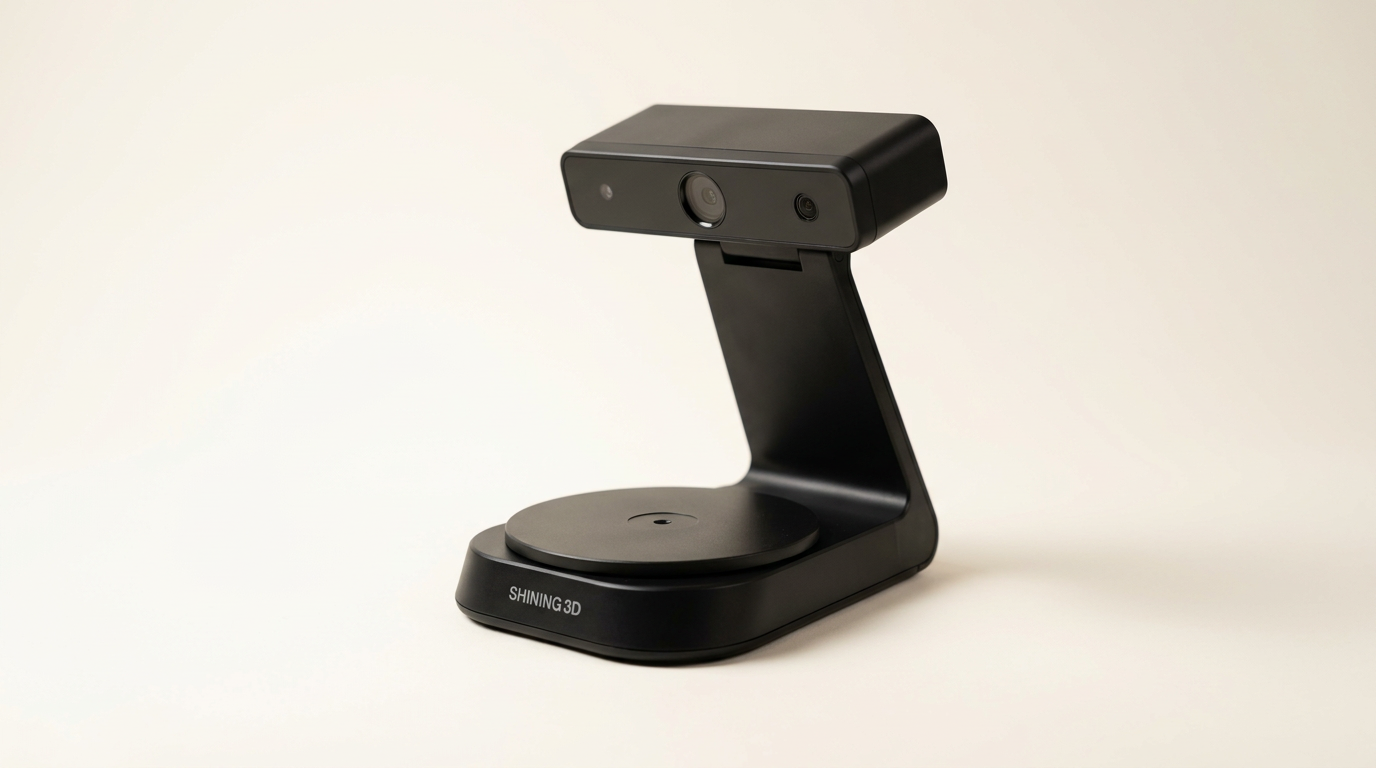
EinScan SE V2 Review: Precision for Dedicated 3D Modelers
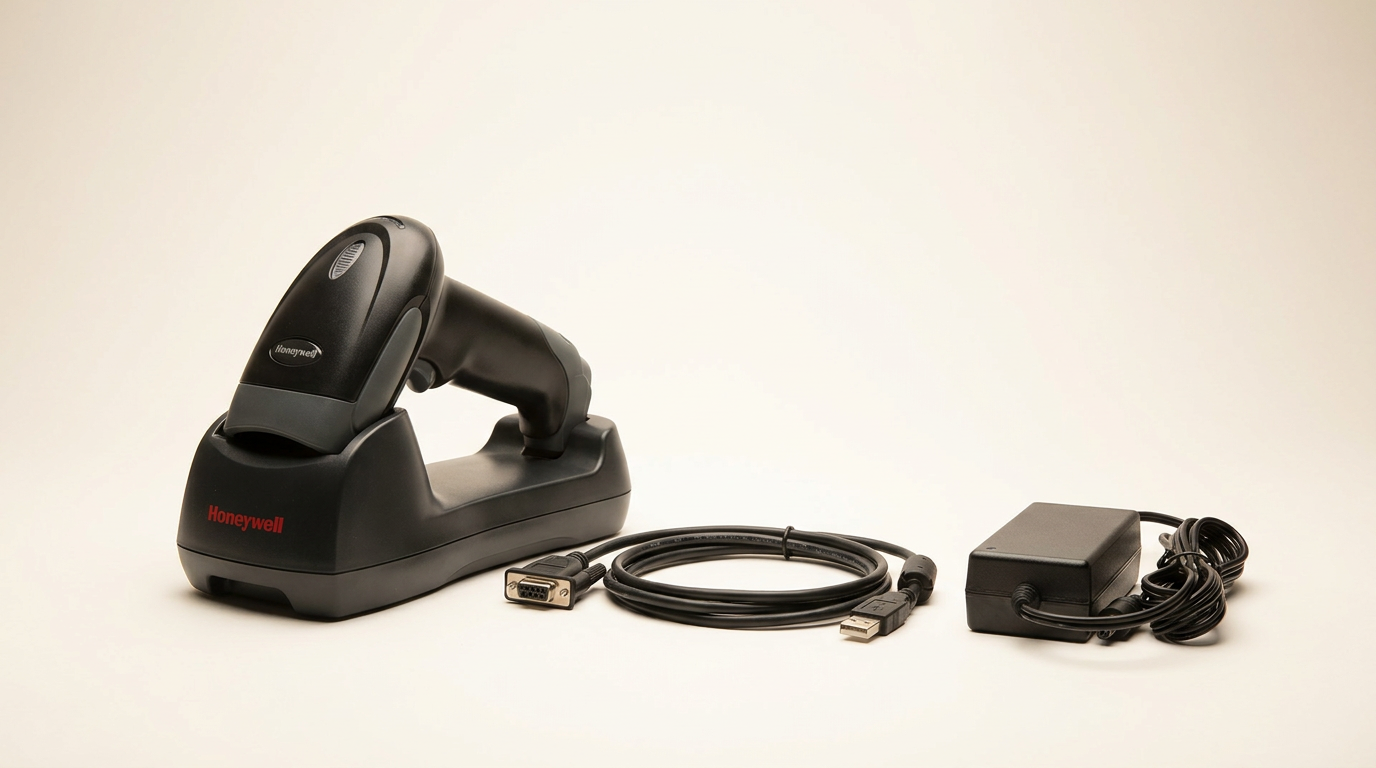
Honeywell Voyager 1452g Review: A Kit That Falls Short
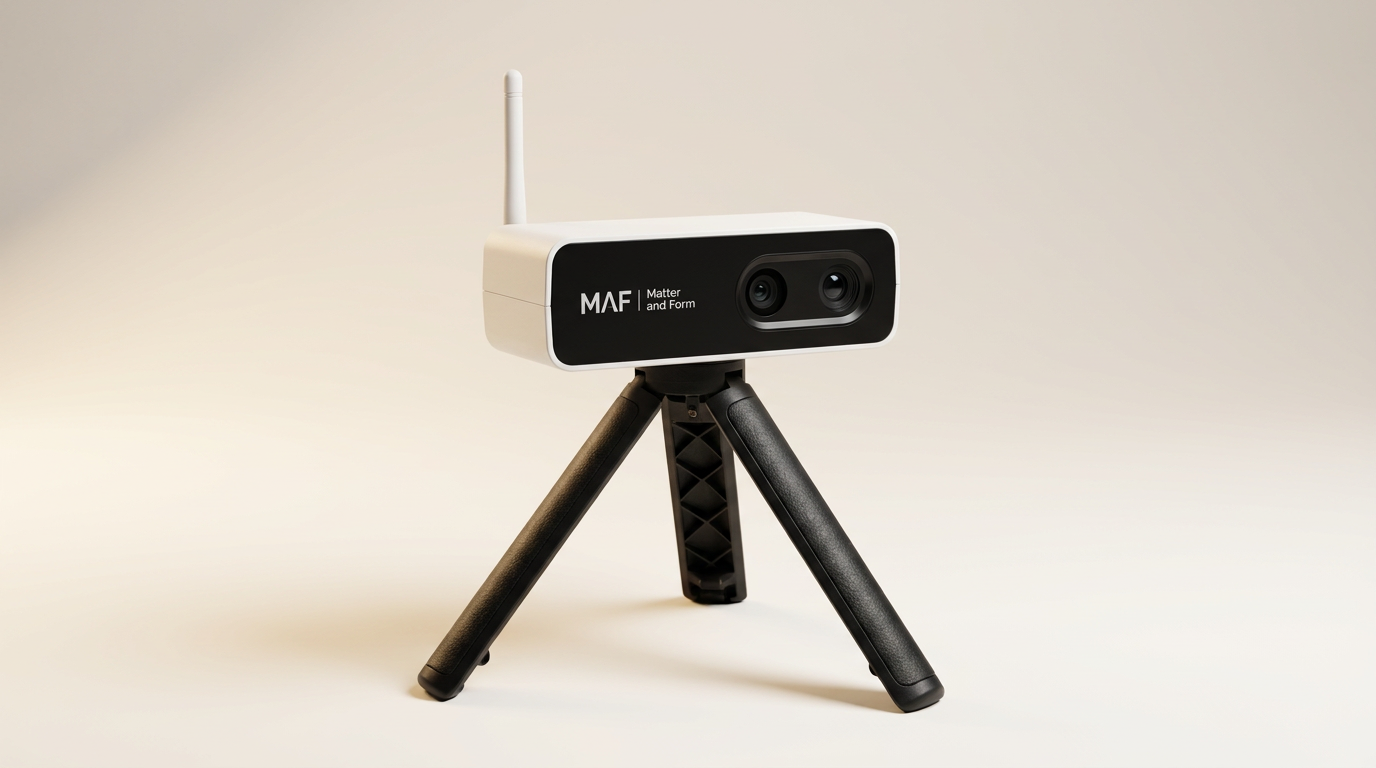
Matter and Form Three Review: Precision 3D Scanning Reimagined
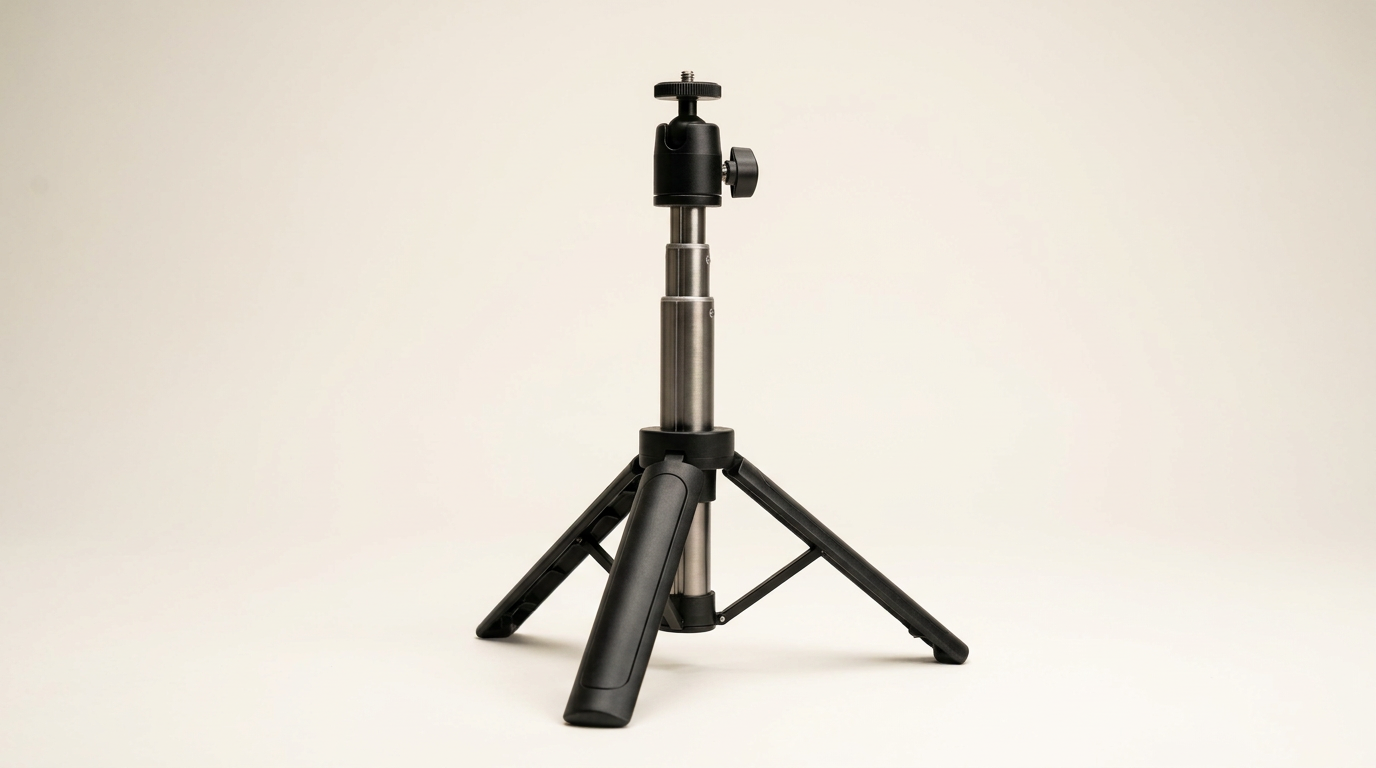
3DMakerpro Scanner Tripod Holder Review: A Micro-Tripod for Macro Precision
This review is based on real experiences shared by owners in online communities.