
Creality PETG Filament Review: A Practical Choice for 3D Printing
This review is based on real experiences shared by owners in online communities.
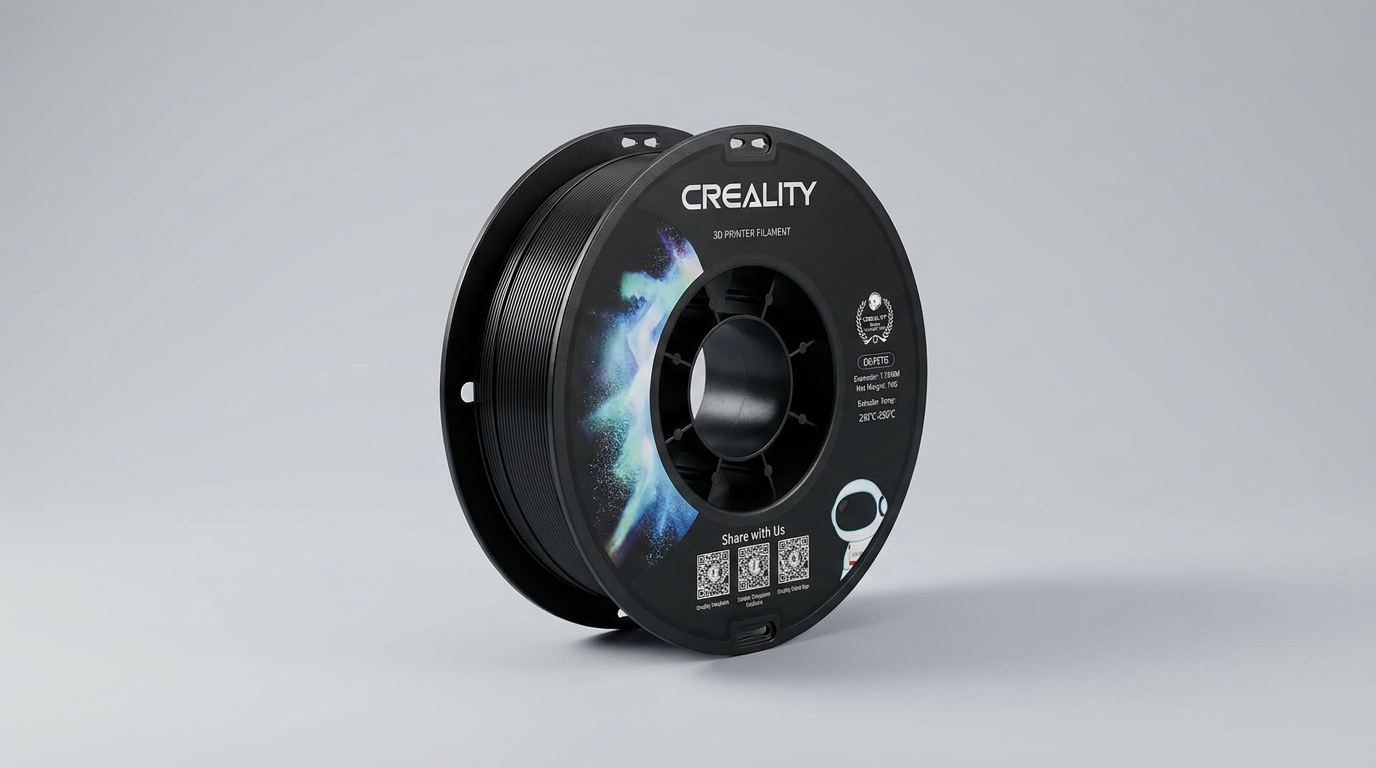
The ubiquity of PETG filament has made it a default choice for many 3D printing applications, balancing accessibility with improved mechanical properties over PLA. However, this prevalence often obscures the underlying truth: not all PETG is created equal, and performance can vary significantly between brands, even when claiming similar specifications. The Creality PETG challenges this notion by carving out a niche not through revolutionary features, but through reliable, consistent performance at a competitive price point. It represents a mature iteration of a proven material, and its widespread adoption speaks to its functional competence rather than its marketing claims.
This filament distinguishes itself not as a 'beginner-friendly' PETG in the traditional sense of minimal tuning, but rather as one that rewards proper calibration with consistently high-quality output. It operates within what we term the 'calibration curve payoff,' where initial investment in dialing in print settings yields significant returns in print reliability and structural integrity. For those willing to engage with the material's specific requirements, Creality PETG offers a compelling case for functional prints.
Our analysis dives into how this PETG performs in real-world scenarios, examining its print quality, ease of use, and overall value in a crowded market. We consider whether its consistent results position it as a foundational material for diverse projects, or if its specific demands place it more squarely in the hands of experienced users seeking predictable results under known conditions.
What owners love
- + Consistent print quality and strong layer adhesion
- + Minimal stringing once settings are dialed in
- + Durable, functional parts with good heat resistance
- + Neatly wound spools, reducing tangles and feed issues
- + Good value for performance, especially in bulk
- + Compatible with a wide range of FDM printers
Common complaints
- − Can be finicky with temperature settings, requires calibration
- − Adheres very strongly to certain build plates, potential for damage
- − Initial ooze during heating observed by some users
- − Color consistency issues reported for some batches (e.g., white)
- − Packaging sometimes insufficient, leading to damaged boxes
Design & Build
The physical presentation of the Creality PETG filament generally meets expectations. Owners consistently report spools arriving neatly wound and vacuum-sealed, often with desiccant included. This attention to packaging is crucial for PETG, a material prone to moisture absorption, and directly impacts print quality. The standard 1.75mm diameter is maintained with specified high precision, contributing to consistent feeding through the extruder. While the visual appeal of printed objects is subjective, several owners note a pleasing, slightly glossy finish and vibrant colors. However, an isolated issue with inconsistent color between batches of white filament suggests that color uniformity might not be absolute across all product lines, a minor consideration for functional parts but significant for aesthetic projects.
Setup & Ease of Use
Setting up the Creality PETG for optimal printing marks the entrance to its 'calibration curve payoff.' While the manufacturer provides a recommended temperature range (220-250°C nozzle, 70-80°C bed), owners emphasize that dialing in these settings is crucial for success. This is not a filament that typically prints flawlessly with generic PETG profiles straight out of the box, though some advanced printers like the Bambu P1S and Creality K2 see simpler adoption. Stringing, a common PETG characteristic, is minimal once specific retraction settings are found. A recurring theme involves bed adhesion: while excellent on most surfaces, it can be too aggressive on textured PEI plates, leading some users to prefer smooth or high-temperature plates with interface materials like glue stick to prevent damage.
Performance in Real Use
When correctly configured, the Creality PETG delivers strong, durable prints with reliable layer adhesion. This makes it suitable for functional parts, outdoor applications, and items requiring moderate heat resistance. Owners commend its ability to print at higher speeds, with some reporting successful runs at 300mm/s on specialized printers like the CR-10 SE, outperforming other brands in this regard. Minimal bubbling or popping is observed, particularly when the filament is dry on arrival. One interesting characteristic noted is the 'first-layer stick trap,' where its robust adhesion, particularly to clean glass beds, can tempt users to skip release agents. However, for longevity of the build plate and ease of part removal, using a separation layer is a wise precaution, especially for larger prints.
Software & Ecosystem
As a filament, Creality PETG operates within the broader 3D printing ecosystem rather than having its own dedicated software. Its compatibility with a wide array of FDM printers, including Creality's own Ender and CR series, as well as Bambu Lab and Prusa machines, confirms its adherence to industry standards. This broad compatibility means users rely on their existing slicer software (e.g., Cura, PrusaSlicer, Bambu Studio) for profile management. The filament's performance is therefore less about an integrated software experience and more about the user's ability to adapt and refine slicer settings to its material properties. The consistent dimensional accuracy (+/- 0.03mm) aids in achieving repeatable results across different printer platforms, mitigating potential software-related inconsistencies.
Value & Reliability
The Creality PETG generally represents a good value, particularly for its consistent performance once settings are optimized. Owners frequently opt for multi-packs to capitalize on better per-spool pricing, placing it in a competitive bracket for materials under $20 per kilogram. Its reliability, once past the initial tuning phase, is a significant draw; many consider it a 'go-to' PETG filament for this reason. The material's robust nature, yielding parts that hold up well in different environments, translates directly into long-term utility. This reliability, combined with its accessible pricing, contributes to a favorable cost-per-part ratio, solidifying its position as a workhorse filament for both hobbyists and those engaged in practical, functional printing projects.
Verdict
Buy - This PETG reliably delivers strong, consistent prints once initial temperature and retraction settings are established.
This filament is an excellent choice for users engaged in functional printing who understand the nuances of PETG and are willing to invest a small amount of time in calibration. It shines for prototyping, jigs, fixtures, and outdoor components where durability and heat resistance are key. Those new to PETG, or those seeking a 'print-and-forget' experience with minimal tuning, might find the initial setup a learning curve. However, for its price point, typically under $20 per kilogram, and its consistent output, it is highly recommended for any FDM printer owner seeking a workhorse PETG.
Creality PETG quietly underscores the idea of 'engineered consistency' in a product category too often defined by marketing hyperbole. It embodies the principle that for a material to be truly great, it must be predictably repeatable, making it a benchmark for what reliable functional filament should be, rather than merely what it claims to be.
FAQ
More 3D Printing Supplies reviews
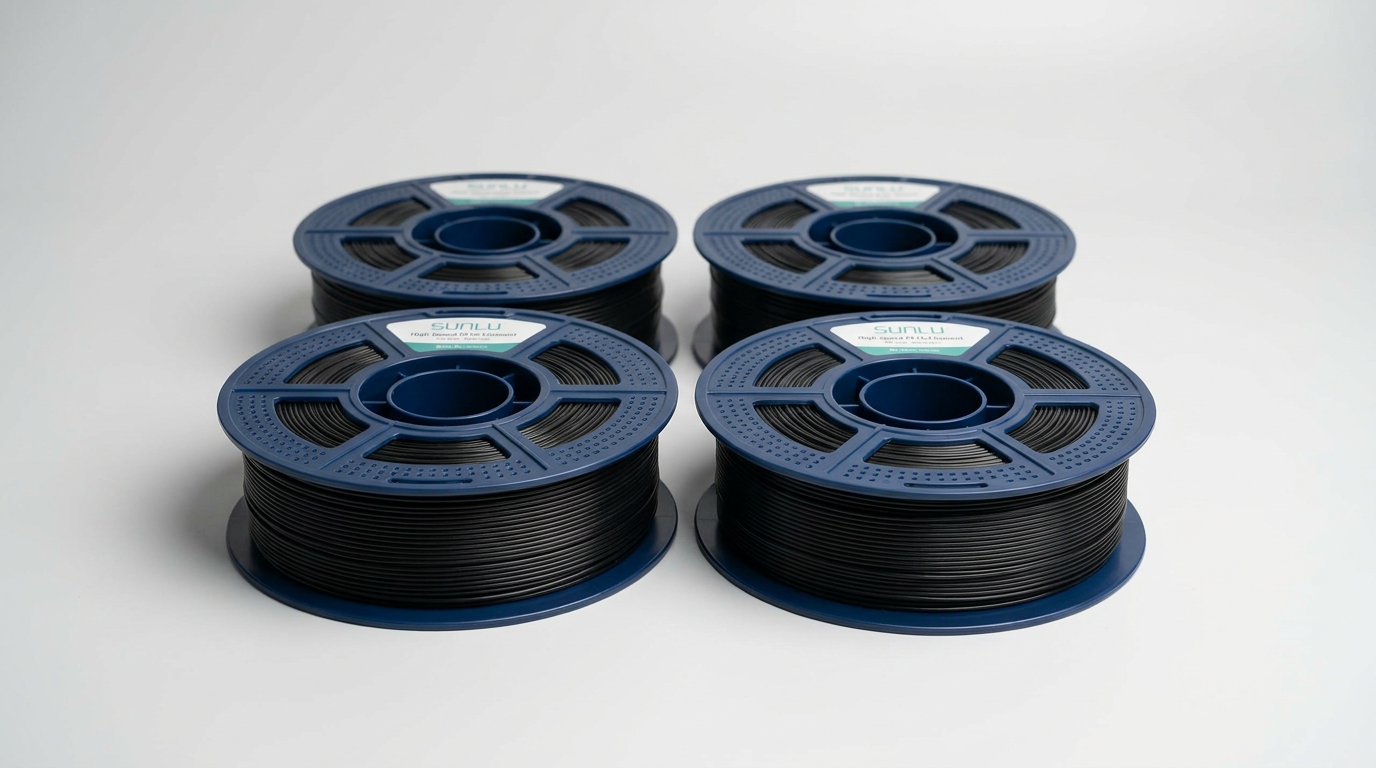
SUNLU High Speed PETG Filament Review: The 'Dry-First Economy' Advantage
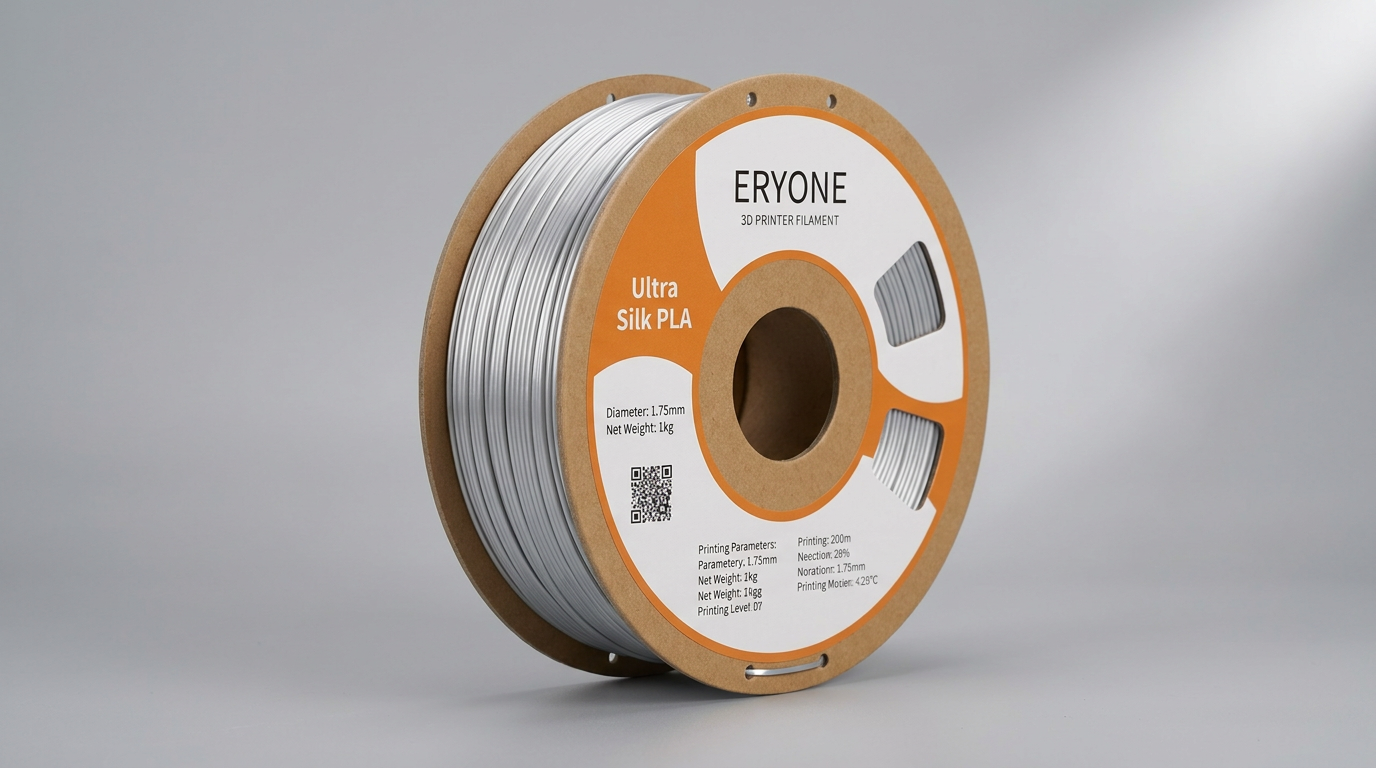
ERYONE Silk Filament PLA+ Review: The Glossy Aesthetic Standard
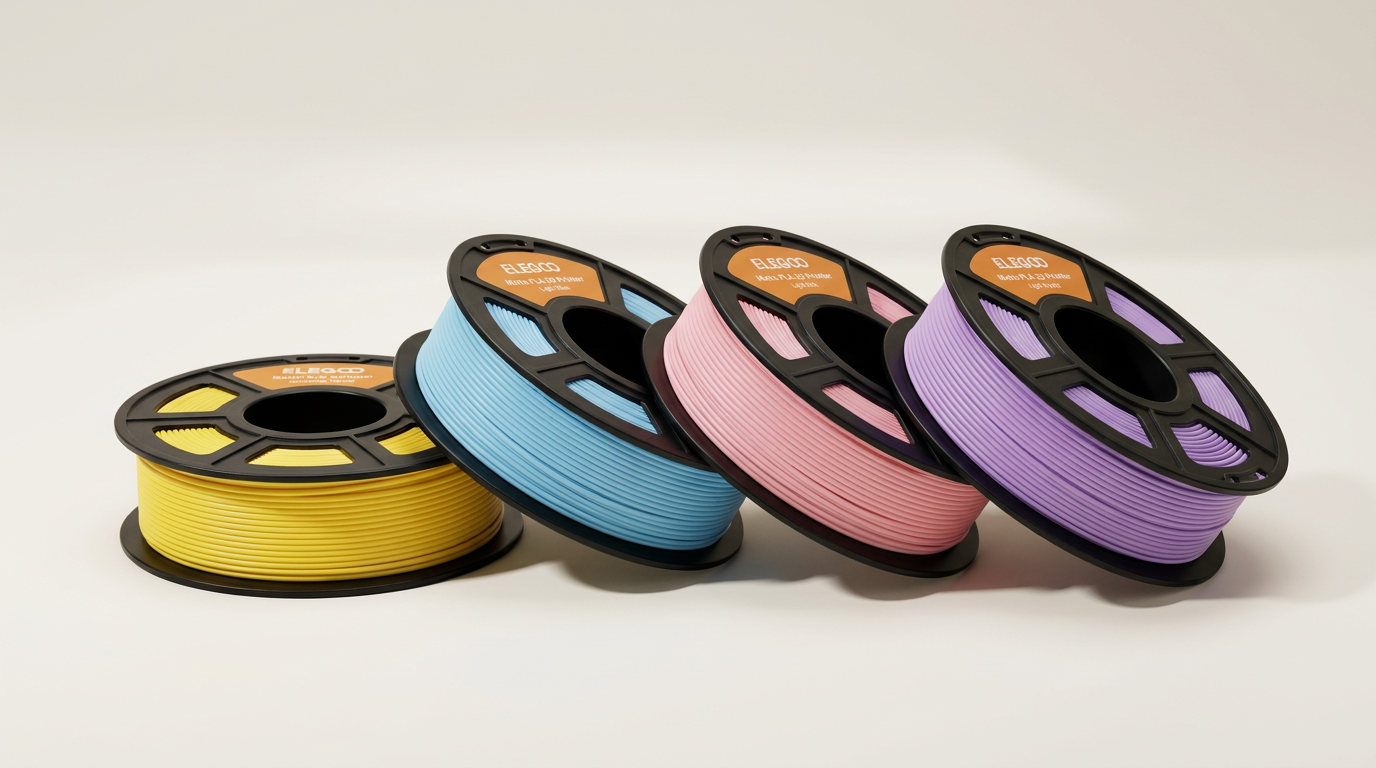
ELEGOO Matte PLA Filament Bundle Review: A Premium Material on a Budget
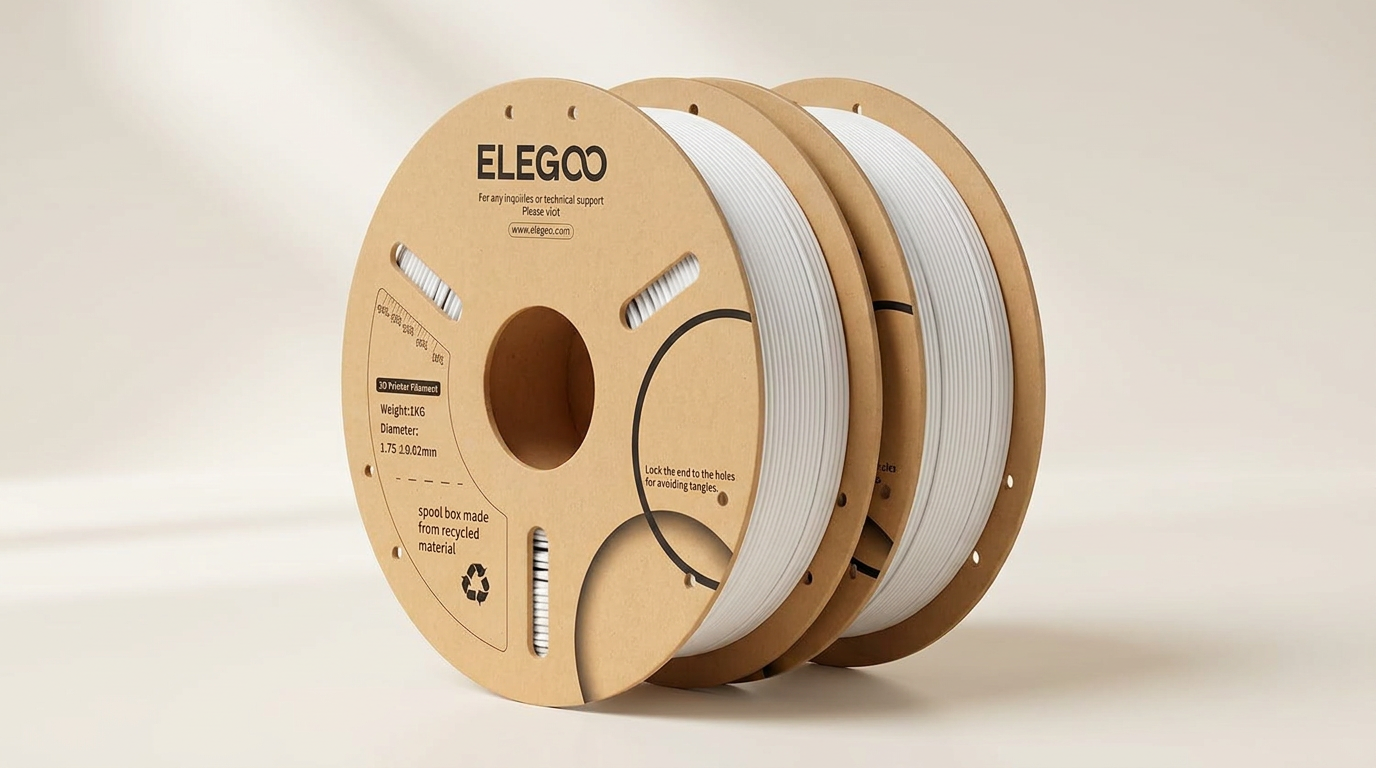
ELEGOO PLA Plus Filament Review: The Workhorse White
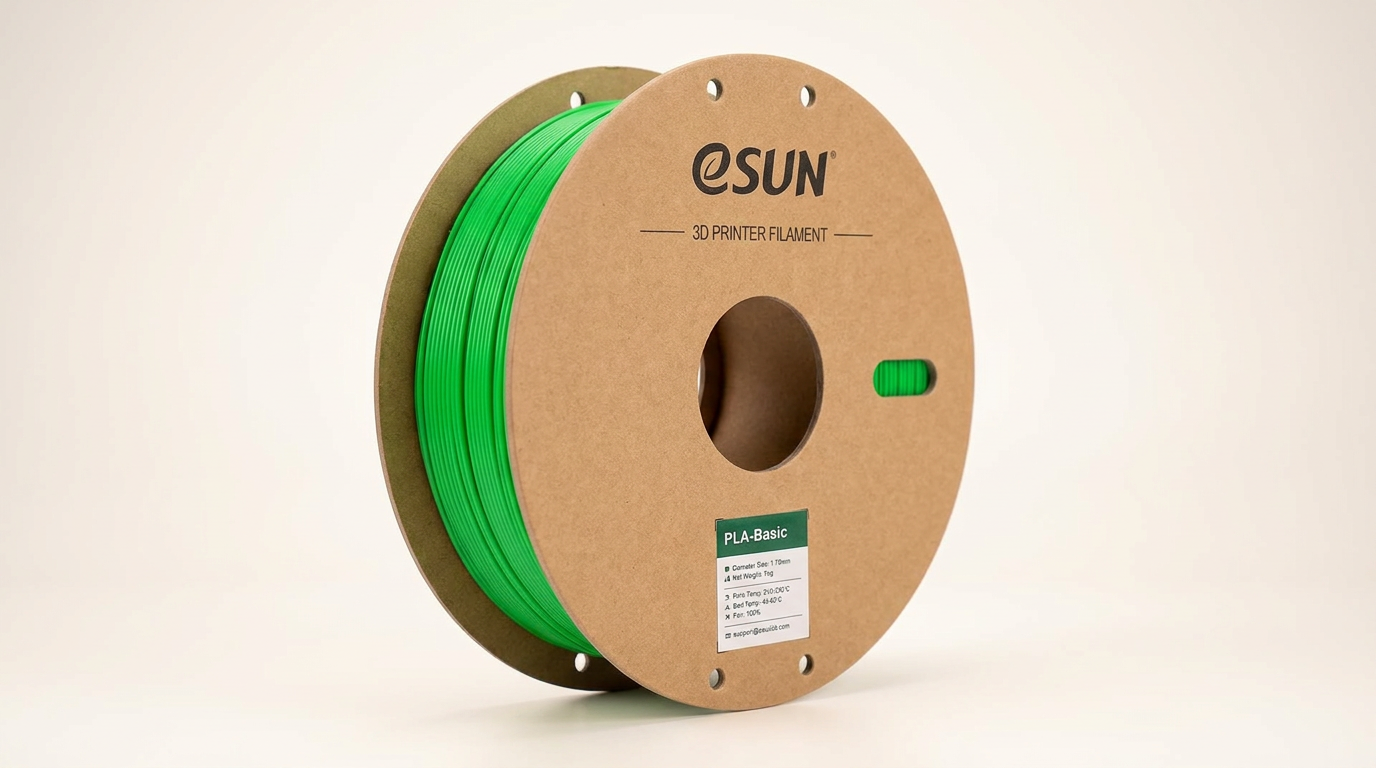
eSUN PLA Basic Filament Review: A Workhorse for 3D Printing
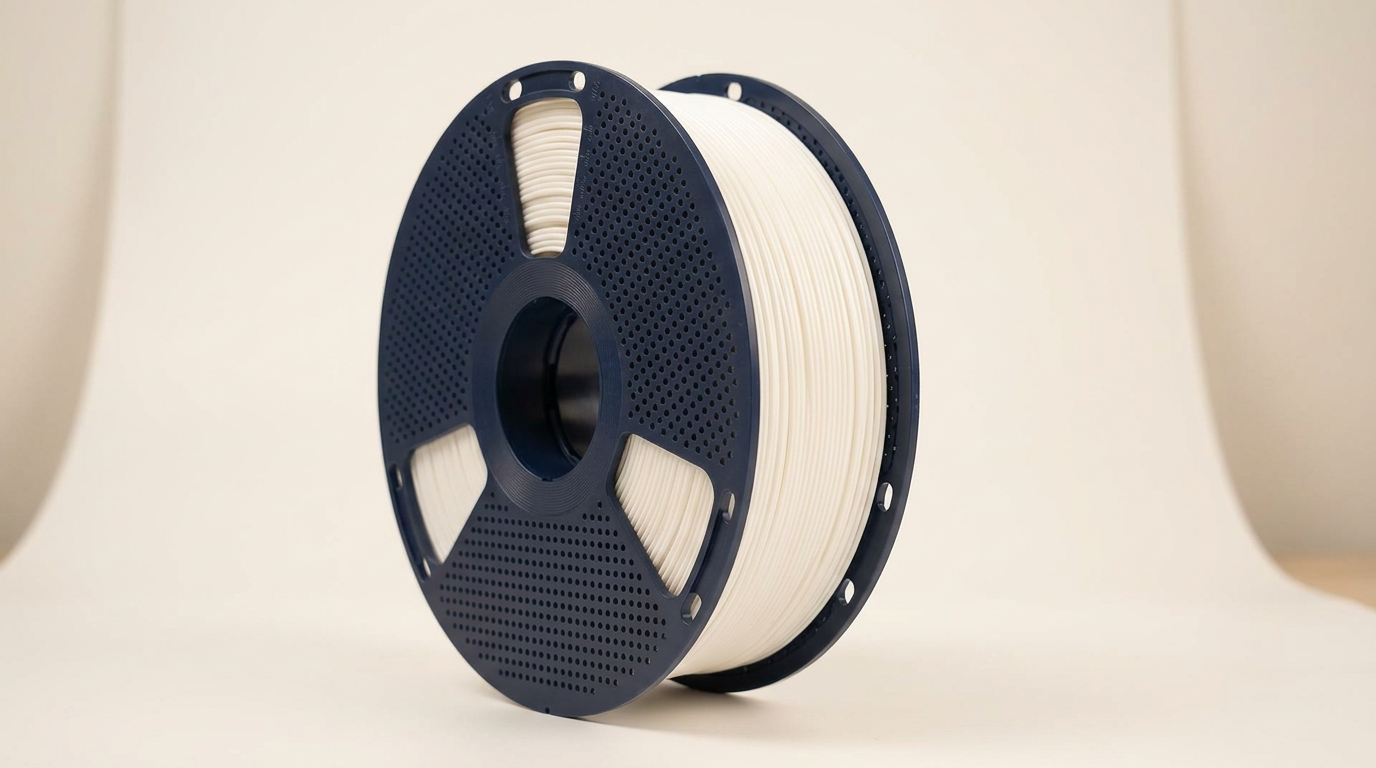
SUNLU PLA Plus Filament Review: The Workhorse for Everyday 3D Printing
This review is based on real experiences shared by owners in online communities.