
Creality Ferret Pro Review: A Pragmatic Step into 3D Scanning
This review is based on real experiences shared by owners in online communities.
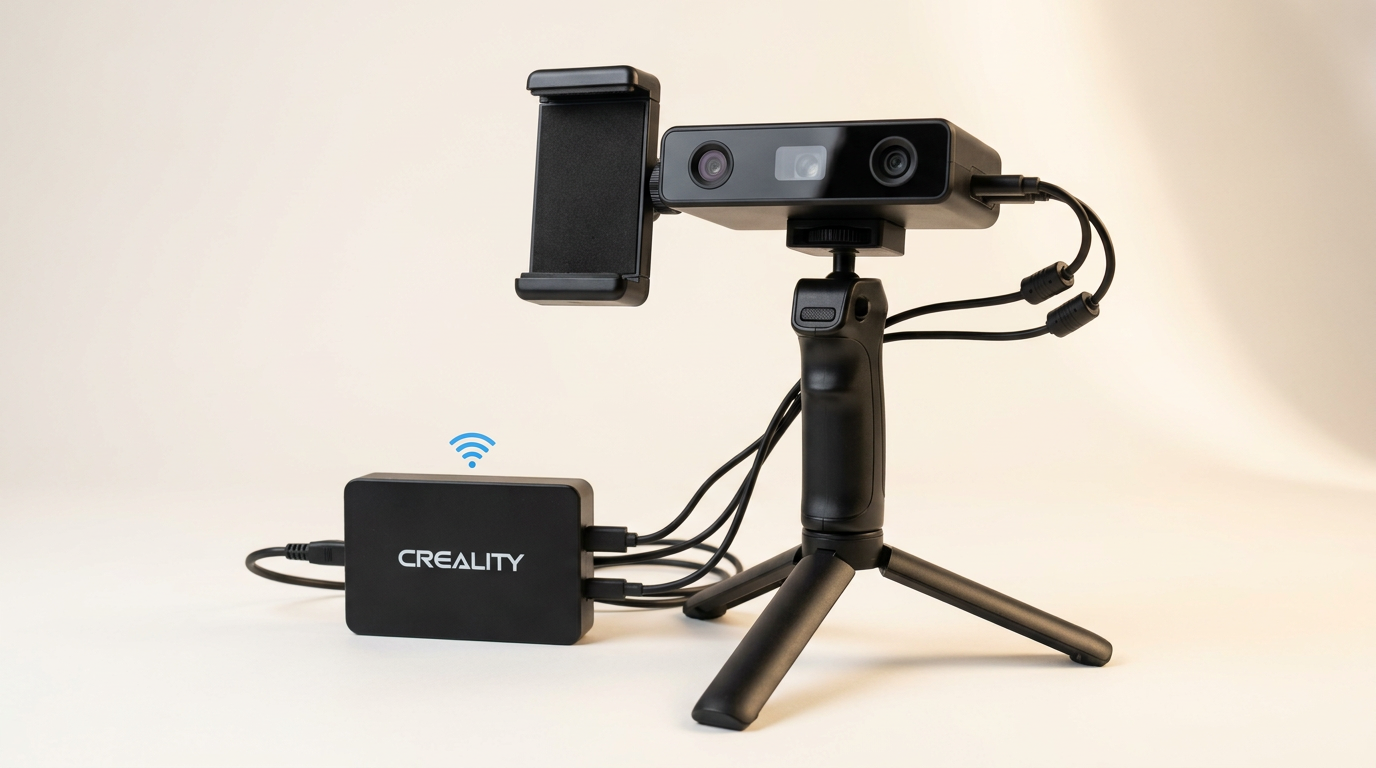
The Creality Ferret Pro enters a market often characterized by high costs and steep learning curves, promising accessibility without significant compromise. While many 3D scanners aim for industrial precision or hobbyist simplicity, the Ferret Pro positions itself as a practical bridge for specific, task-oriented users. It doesn't aim to redefine the category, but rather to make additive manufacturing workflows more fluid for those who need rapid part replication or basic model acquisition.
Most buyers approach 3D scanning with grand ambitions of digitizing intricate artifacts or capturing perfect human busts. However, the reality for many is more utilitarian: needing to replace a broken plastic bracket, replicate a simple toy part, or get a rough model for basic design iteration. This is where the Ferret Pro finds its niche, operating as a 'task-specific tool' rather than a universal digitizer. It excels when expectations align with its core strengths.
Its portability and relative ease of use, even for those new to the technology, suggest a quiet utility often overlooked by scanners focused solely on resolution benchmarks. The device prioritizes getting an object from physical to digital quickly, enabling subsequent steps like 3D printing, even if the initial scan requires post-processing refinement.
What owners love
- + High portability for field use
- + Effective for replicating broken parts quickly
- + Budget-friendly option for entry-level scanning
- + Relatively quick learning curve for beginners
- + Suitable for specific repair and replication tasks
Common complaints
- − Clunky or inconsistent software experience
- − Requires careful compatibility check with mobile devices
- − Not ideal for highly detailed or complex models without post-processing
- − Initial setup can present a learning challenge
Design & Build
The Creality Ferret Pro focuses on a compact and portable design, a significant advantage for users who require scanning capabilities outside a fixed workshop. Owners consistently highlight its portability as a key feature, enabling its use in diverse environments, from sports facilities to home workshops. This emphasis on mobility supports a 'rapid response' workflow, allowing users to scan parts where they break rather than bringing the parts to a stationary setup. The device feels solid enough for its intended purpose, prioritizing functional form factor over premium materials, aligning with its accessible price point.
Setup & Ease of Use
Initial setup with the Ferret Pro introduces what some owners describe as a 'learning curve.' While the manufacturer advertises beginner-friendliness with one-click modeling, the reality involves familiarization with both hardware and software. Owners with little prior 3D scanning experience report picking it up relatively quickly, indicating the fundamental process is approachable. However, a significant point of friction is mobile device compatibility; several users caution prospective buyers to verify their phone's support before purchase, suggesting an inconsistent mobile experience. This 'compatibility lottery' is a notable barrier to immediate plug-and-play operation.
Performance in Real Use
The Ferret Pro delivers adequate performance for its target applications. With a stated accuracy of 0.1mm, it can capture enough detail for many practical purposes, particularly for replicating functional parts. Owners successfully use it for tasks like scanning broken plastic components or small household items to generate models for 3D printing. The built-in color camera contributes to capturing original object colors, aiding in visual reference. It excels in what can be termed 'utility scanning' - generating a workable model for repair or basic creation, rather than producing museum-grade digital twins. Its ability to enable rapid replacement of broken parts underscores its value in specific, problem-solving scenarios.
Software & Ecosystem
The Ferret Pro's accompanying software, both for PC and mobile, consistently receives feedback about being 'clunky.' This is a recurring complaint, directly impacting the user experience even if the hardware performs adequately. A scanner's utility is often gated by its software, and here, the Ferret Pro faces a challenge. While it supports standard output formats like OBJ, STL, and PLY, facilitating integration into CAD and 3D modeling environments, the internal application itself seems to hinder the process. The 'software friction tax' means users spend more time navigating the interface than necessary, potentially undermining the scanner's otherwise quick learning curve.
Value & Reliability
Owners generally perceive the Creality Ferret Pro as a 'perfect budget' option, particularly for those new to 3D scanning or seeking a cost-effective solution. Its price point, situated in the low hundreds, makes it an accessible entry. For its cost, it delivers on its promise of providing a functional scanner for specific tasks, like replicating small broken parts for 3D printing. The reliability appears contingent on navigating the software and mobile compatibility challenges. When these are overcome, it reliably generates models for its intended applications. Its value proposition is strongest for those who prioritize immediate utility and portability over absolute precision or a polished software experience.
Verdict
Consider - The Creality Ferret Pro offers a practical, portable solution for budget-conscious users engaged in specific 3D scanning tasks.
This scanner is well-suited for hobbyists, educators, or small businesses primarily focused on rapid prototyping, part replication for repairs, or generating basic models for 3D printing. Users who value portability and a lower barrier to entry, understanding that some software rough edges exist, will find value. Those who need to frequently replace broken plastic parts or digitize simple objects for additive manufacturing are its core audience. It represents a pragmatic choice for getting an object into a digital workflow without spending well north of $500.
Conversely, those requiring extremely high precision for intricate details, a polished and seamless software experience, or broad mobile device compatibility without prior checking, should hold off. Professionals demanding industrial-grade scans or artists needing flawless digital doubles for complex renders will find its capabilities fall short. The Ferret Pro embodies the 'good enough' principle for applied scanning, a concept often overshadowed by aspirational marketing. It's a testament to the idea that sometimes, a less perfect tool that's readily available and affordable solves more problems than an immaculate one that's out of reach.
FAQ
More 3D Scanners reviews
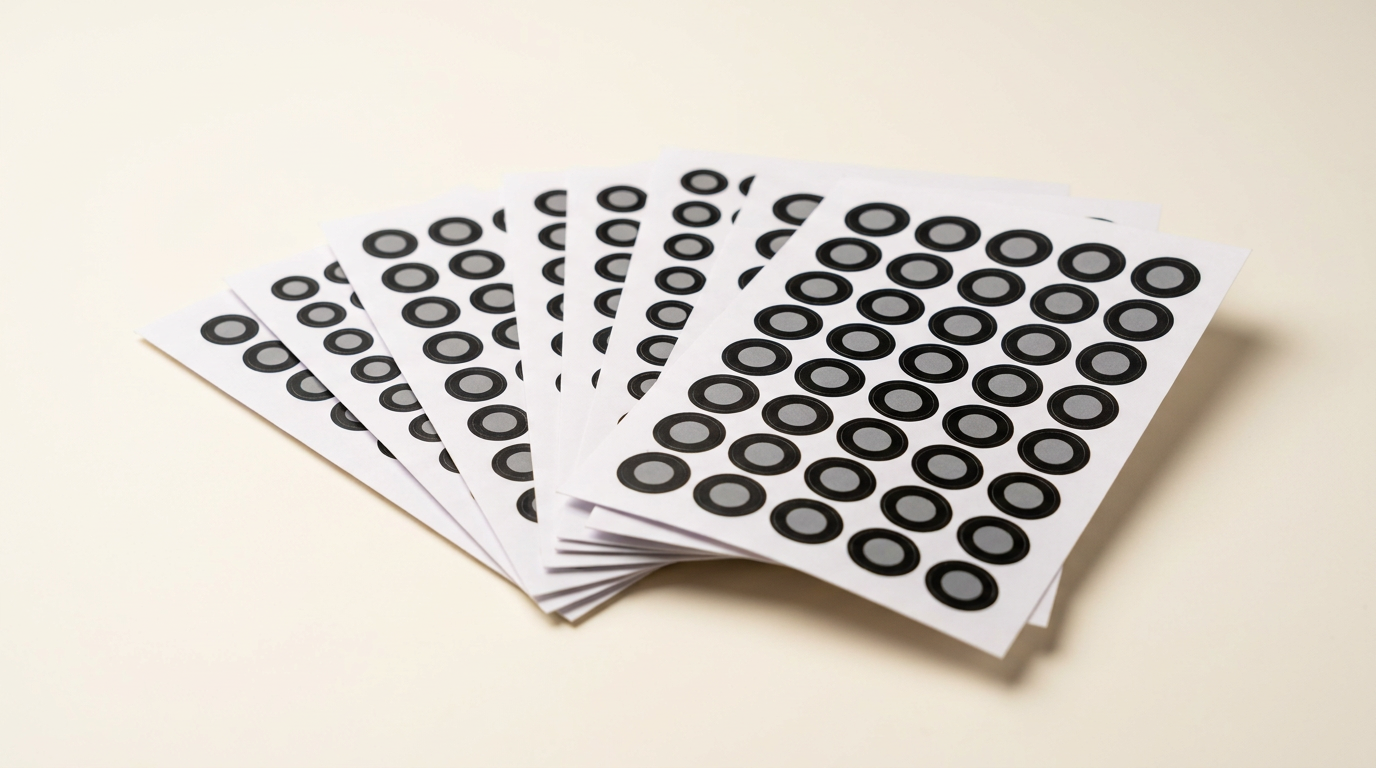
Creality 6mm 3D Scanning Markers Review: Essential Tracking Aid
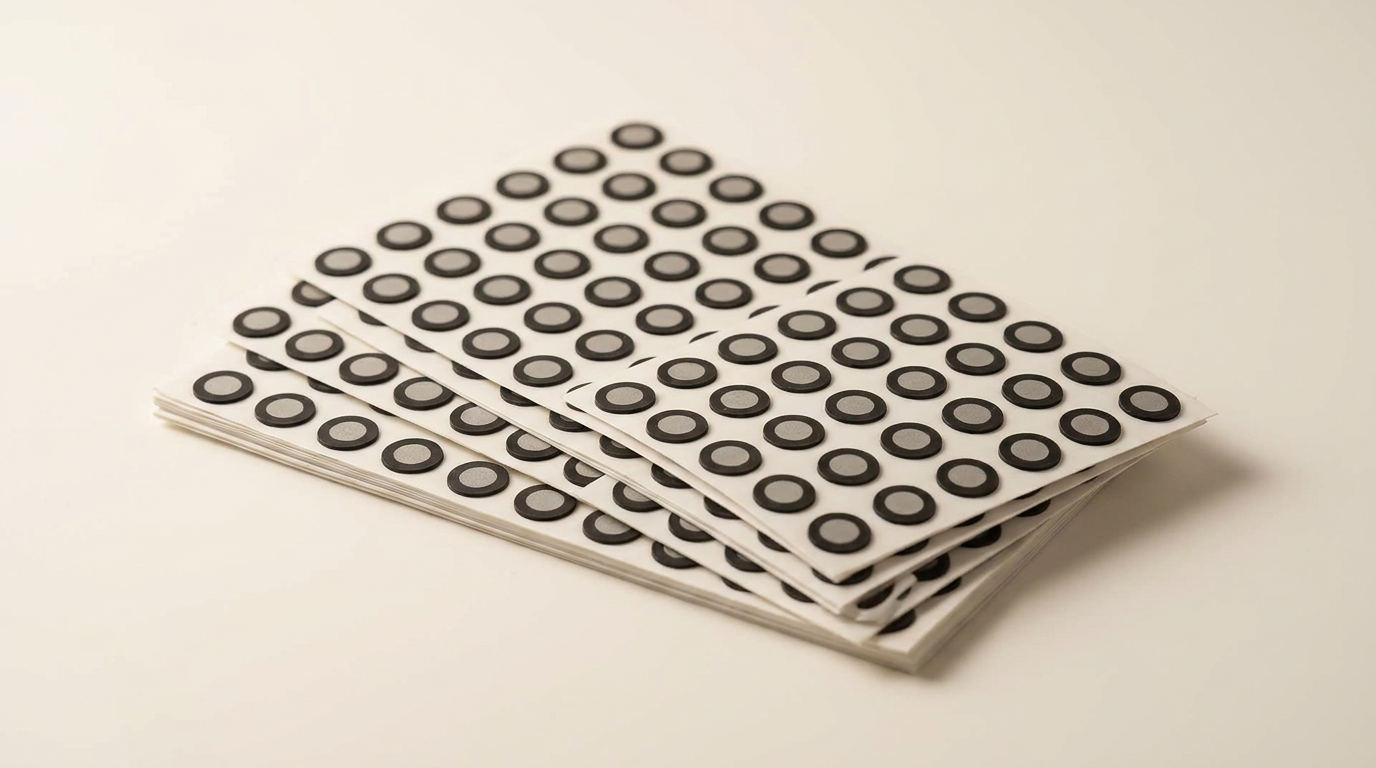
TOSUKKI 6mm Positioning Targets Review: The Refined Generic Choice
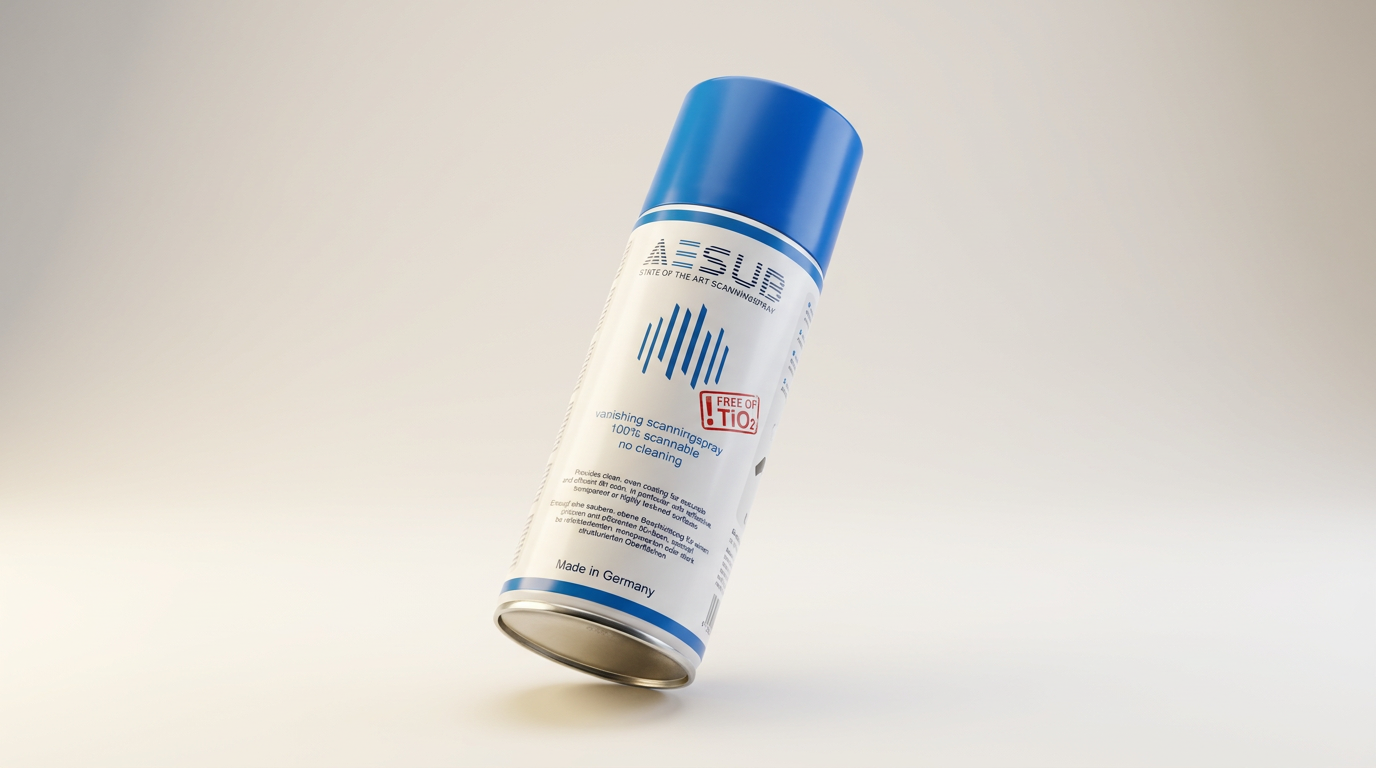
AESUB 3DTOOLS 3D Scanner Spray Review: The 'Evaporative Enabler'
Creality 8-inch Rotating Turntable: A Solid Scanner Accessory

Generic 12 Piece Multi-Angle Markers Review: Essential 3D Scanning Dots
3DMakerpro Moose Standard Review: High Detail for the Serious Hobbyist
This review is based on real experiences shared by owners in online communities.