
Ainguu 3D Relief Magic Popcorn Pen Review: A Stale Novelty
By AValidReview.
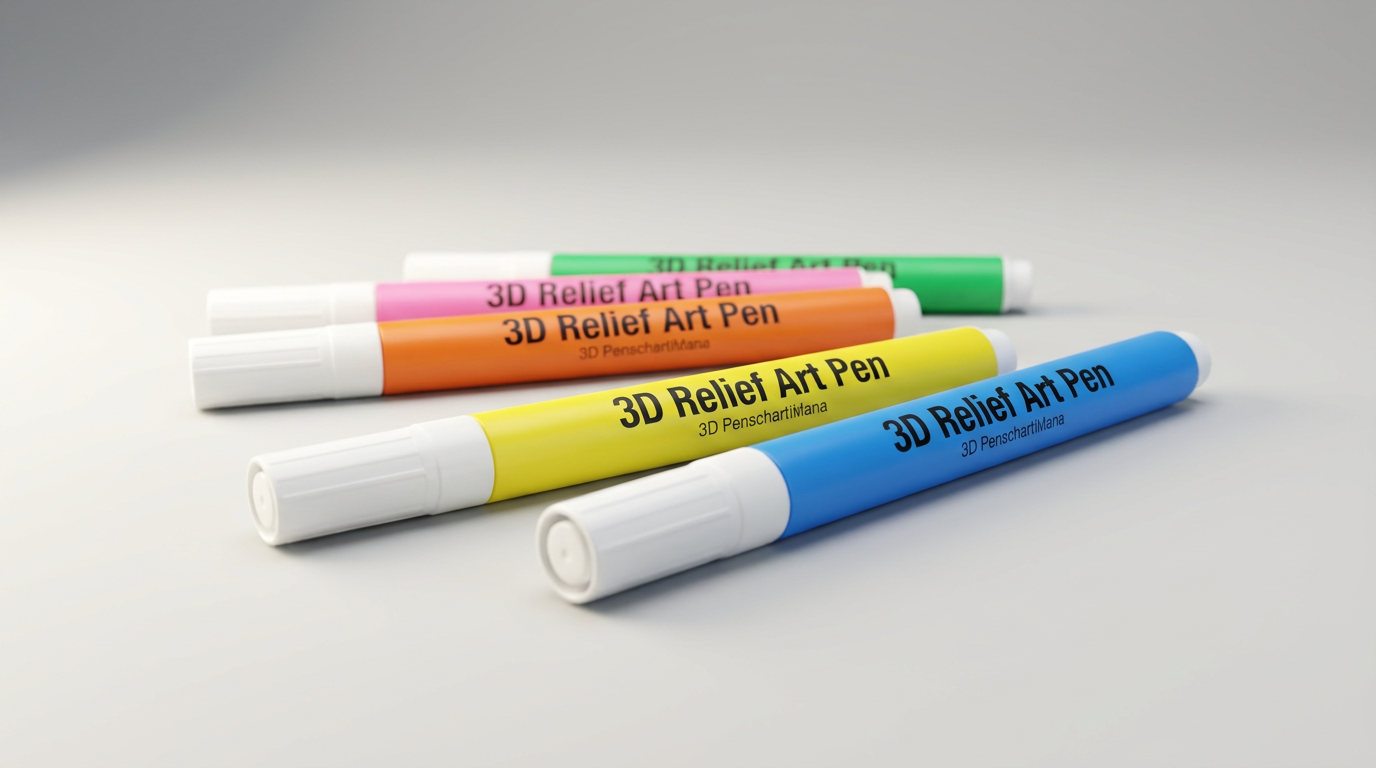
The Ainguu 3D Relief Popcorn Pen claims real estate under additive manufacturing listings, but it shares nothing with genuine extrusion-based 3D pens. Instead, it embodies algorithmic mimicry: a low-cost novelty craft supply miscategorized to siphon search traffic away from functional fabrication tools. The core proposition relies on expandable emulsion ink, which is supposed to blow up like popcorn when blasted with hot air from a hair dryer.
That premise sounds engaging for classroom arts and scrapbooking, but chemical craft pens face an invisible enemy: inventory aging. Unlike standard filament or ink, blowing agents inside heat-reactive craft pens have a strict expiration window. Once that threshold passes, the product degrades into a flat, inert liquid.
Early adopters and verified purchasers report encountering a severe shelf-life decay cliff. What arrives at the door is often old, stale stock that cannot achieve even minor volumetric expansion. At a price point under $10, the financial loss is minimal, but the operational failure renders it useless straight out of the package.
What owners love
- + Under $10 price point makes it an inexpensive craft impulse buy
- + Six neon colors provide decent palette variety on paper
- + Washable water-based formula cleans up easily from hands
- + Safer for young children than motorized hot-melt 3D pens
Common complaints
- − Prone to arriving as expired, unusable stock
- − Ink fails to expand or create tactile 3D relief effects
- − Requires high heat from hair dryers or microwaves to function
- − Deceptive product categorization mimics true additive manufacturing tools
Design & Build
The Ainguu kit consists of six plastic squeeze barrels tipped with fine nibs, packaged alongside basic marketing promises of puffy neon art. Each barrel houses a colored emulsion designed to flow onto cardstock, wood, or fabric. In hand, the plastic tubes feel pliable but fragile. The crimped end seals and snap-on nib caps offer minimal airtight protection, which explains why the volatile chemical foaming agents break down before the product ever reaches an end user. The design cuts corners where chemical preservation matters most.
Setup & Ease of Use
Getting started is theoretically simple: uncap a pen, squeeze the neon gel onto paper, and direct a concentrated blast of heat at the drawing for roughly two minutes. In practice, this activation workflow creates friction. Directing high heat via a hair dryer or heating tool against lightweight paper often blows the substrate across the desk or warps cardstock before the chemical reaction can begin. For young children, managing a continuous thermal blast without adult intervention is impractical, turning a supposedly simple marker into a high-maintenance craft experiment.
Performance in Real Use
Performance is where the Ainguu pen collapses completely. Verified owner feedback points to a single fatal issue: the product arrives old, desiccated, or chemically inert, failing to perform its advertised function. When heat is applied, the lines remain flat, gummy, and reflective rather than puffing into textured 3D micro-bubbles. This failure stems from degraded foaming compounds that have lost their volatilizing potential during extended warehouse storage. Instead of producing tactile, popcorn-style relief art, users end up with an inferior, hard-to-dry liquid marker.
Software & Ecosystem
While listed within additive manufacturing and 3D printing pen categories, this product possesses no electronics, firmware, thermal controls, or digital components. This classification gap represents a broader issue in retail search algorithms, where analog stationery adopts technical naming conventions to capture search volume. There are no templates, project sheets, or replacement inks available; the set exists in total isolation as an unbranded, throwaway stationery kit.
Value & Reliability
Priced well under $10, the financial barrier to entry is virtually non-existent. However, low cost does not equate to value when the core mechanism fails out of the package. A cheap tool that does not work is simply plastic waste. The reliability profile is defined by chemical decay; without manufacturing date stamps or batch codes, purchasing this set is essentially a gamble on whether the inventory has spent months languishing on unconditioned warehouse shelves.
Verdict
Stay Away - The Ainguu Popcorn Pen arrives as degraded, inert stock that completely fails to puff up when heated.
If you want an accessible creative tool for scrapbooking or children's crafts, skip this unbranded set entirely. Shoppers looking for real dimensional modeling should invest in a proper low-temperature 3D printing pen from an established maker, while crafters seeking textured paint are far better served by trusted dimensional fabric paints that dry with reliable volume.
The Ainguu pen illustrates the hazard of unmanaged craft chemistry in budget retail. When a manufacturer sells temperature-reactive compounds without airtight packaging or batch tracking, the consumer ends up paying for expired inventory that cannot deliver on its basic marketing claims.
FAQ
More 3D Printing Pens reviews
DYUEXI 3D Popcorn Pens Review: Heat-Activated Craft Reality

Magic Popcorn Pen Review: Flat Results and Heat Woes
Magics Puffy 3D Bubble Pens Review: A Total Expansion Failure
Avlpjno Popcorn Pens Review: Puffy Ink That Stays Flat
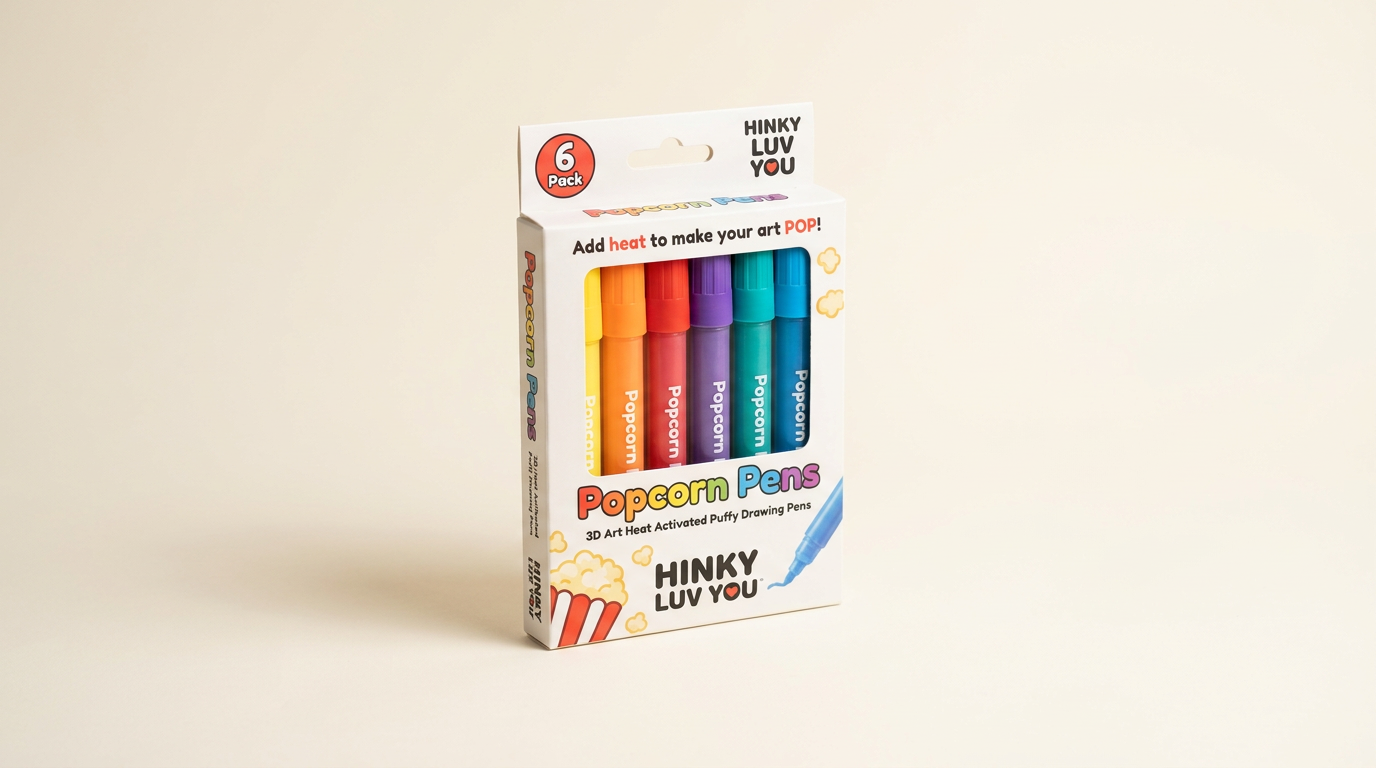
ROVIA 6 Colors Popcorn Pens Review: 3D Heat-Activated Art
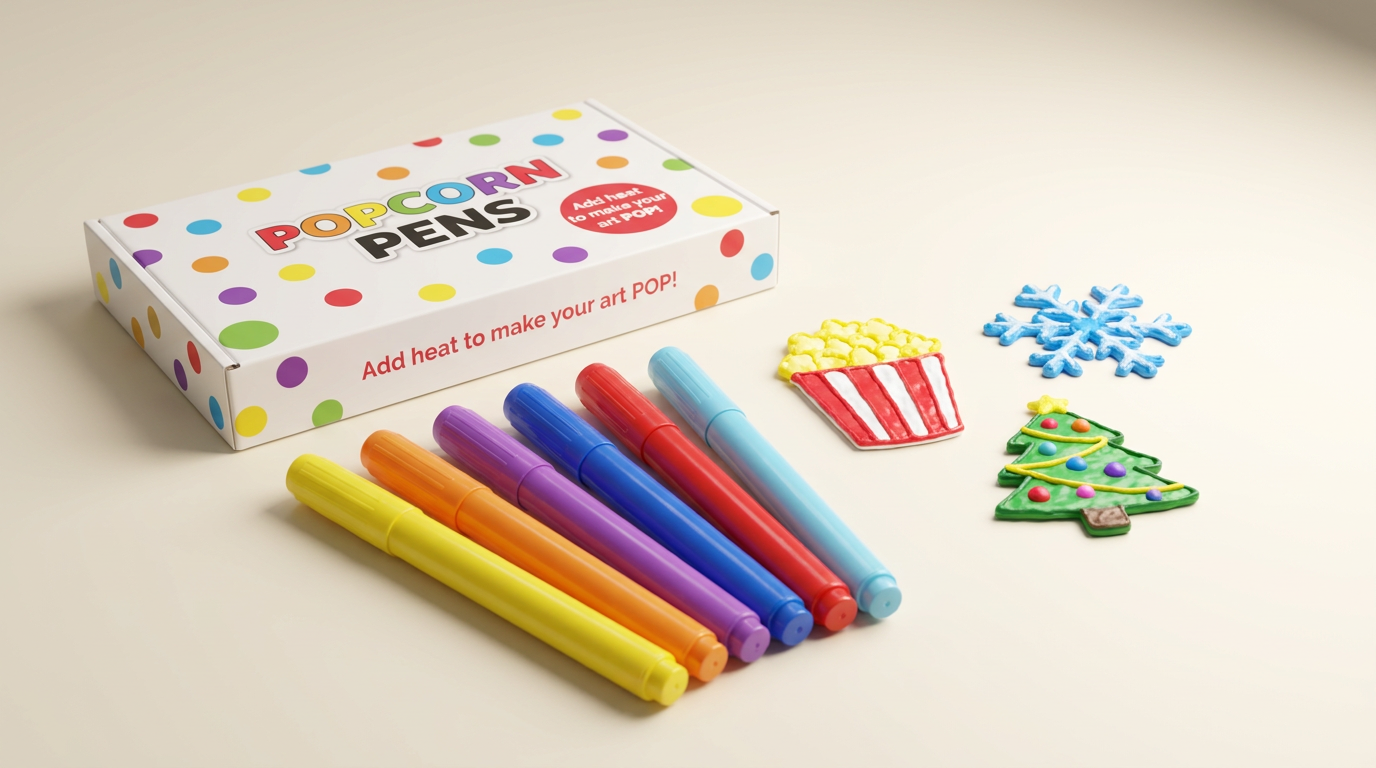
Popcorn 3D Relief Art Pens Review: Chemistry Without Context
This review is based on real experiences shared by owners in online communities.