
Magics Puffy 3D Bubble Pens Review: A Total Expansion Failure
By AValidReview.
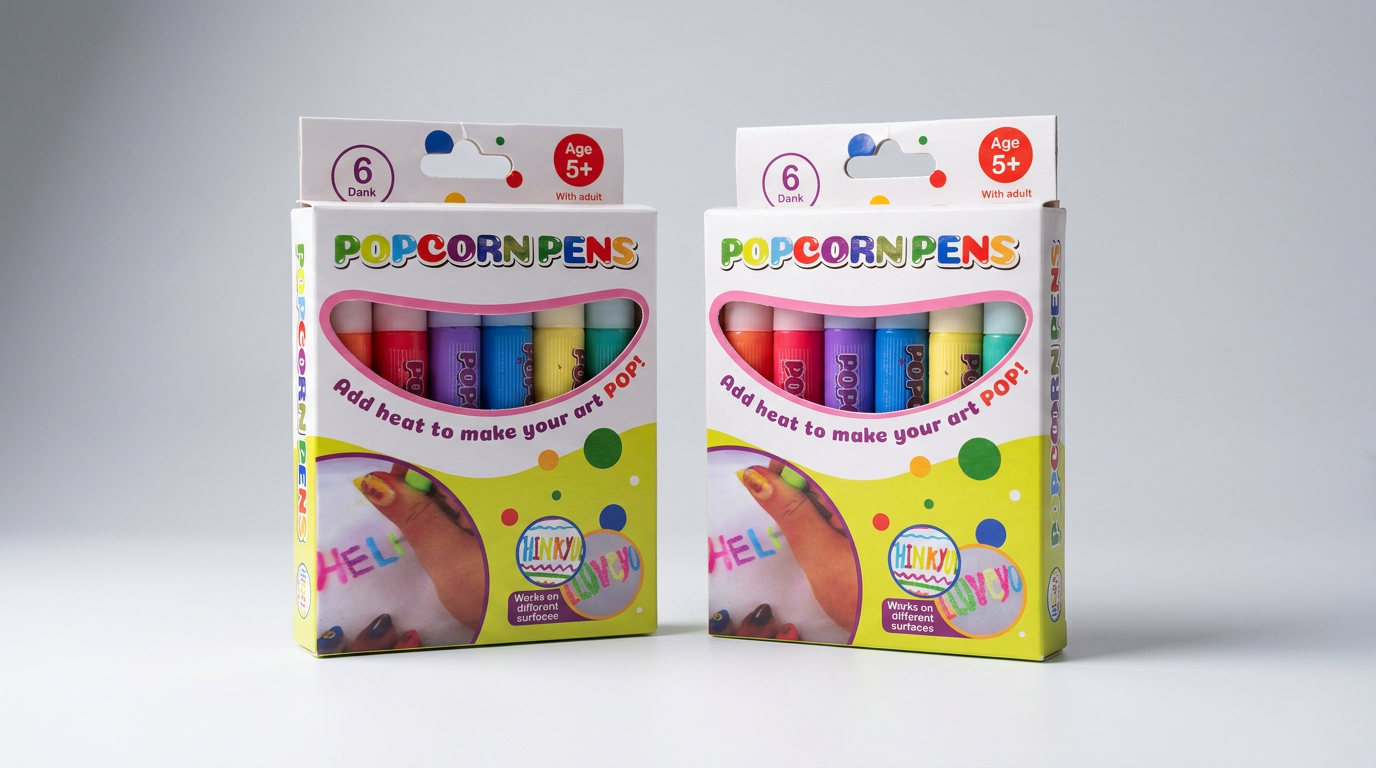
The modern direct-to-consumer craft marketplace thrives on what can only be called category arbitrage: low-grade novelty items tagged under sophisticated search terms to catch casual hobbyists off guard. The Generic 2Pack Magics Puffy 3D Bubble Pens illustrate this dynamic with painful clarity. Filed under additive manufacturing and 3D printing pens, these are ostensibly liquid markers engineered to foam up into popcorn-like velvet textures when blasted with household heat. They promise dimensional illustration without the steep learning curve or high thermal hazard of actual extrusion tools.
In reality, the entire premise collapses at the fundamental chemical level. What buyers face here is the thermal gap, the chasm between promotional demonstration footage showing instant, pillowy inflation and the stubborn reality of watery ink that merely dries into an ordinary, flat streak. Instead of delivering a low-cost tactile breakthrough, the product serves as a case study in deceptive novelty branding.
What owners love
- + Lightweight marker barrels fit easily in small hands
- + Fine-point nib permits standard line drawing on paper
- + Functions adequately as a basic flat liquid marker
- + Requires no specialized electrical outlet or charging cables
Common complaints
- − Completely fails to puff up or expand after drying
- − Misleadingly classified as a 3D printing product
- − Requires high auxiliary heat from hairdryers with zero physical reward
- − Total absence of reliable instructions or technical support
Design & Build
At first glance, the markers present themselves like basic water-based coloring pens. The plastic barrels are thin and lightweight, featuring press-fit caps and a narrow plastic nib intended for controlled line work. There is nothing about the physical construction that suggests additive manufacturing or thermal reactive chemistry. The housing feels cheap and disposable, typical of unbranded party favor supplies. Crucially, the fine nib struggles with ink consistency; lay down too little ink and there is no chemical volume to react, lay down too much and you saturate standard craft paper with wet pigment.
Setup & Ease of Use
Getting started is theoretically simple, but practically frustrating due to what we call the activation tax. Standard pens write and dry; these require users to sketch their design, wait an unspecified amount of time, and then retrieve a secondary thermal tool, typically a high-wattage hairdryer or heat gun. The product packaging offers virtually no operational parameters regarding temperature, distance, or exposure time. Users are left to guess how to trigger the promised reaction, turning an allegedly breezy children's craft project into an awkward experiment with hot electronics.
Performance in Real Use
Performance is where the product completely breaks down. The core promise of popcorn texture hinges on blowing hot air over the ink to create rapid gaseous expansion. Real-world users consistently report that even after careful application and extended drying periods, the ink refuses to rise. It does not expand, it does not gain dimensional height, and it does not yield a velvet texture. Instead, it simply cures as flat, slightly crusty pigment. The product fundamentally fails its single defining mechanical function.
Software & Ecosystem
Because these markers are misleadingly indexed alongside legitimate additive manufacturing tools and digital 3D pens, buyers expecting an ecosystem, template library, or even basic project guides will find nothing. There are no companion stencils, no safety guidelines for thermal exposure, and no manufacturer presence to provide troubleshooting. In the additive manufacturing category, ecosystem support is vital; here, the ecosystem is entirely nonexistent, reinforcing the sense of an algorithmic misfire.
Value & Reliability
Priced in the budget tier under $10, the financial loss is small, but the value proposition is practically zero. You are effectively paying for standard coloring markers dressed up in marketing fiction. When a product fails to deliver on its primary advertised trait, low acquisition cost does not excuse it. Reliability is worse than poor; it is nonexistent, as the reaction mechanism fails to trigger right out of the packaging.
Verdict
Stay Away - These markers fail to perform their only advertised task of expanding into 3D textures under heat.
There is no target demographic that benefits from this product. Parents hoping for an engaging weekend craft activity will end up with disappointed children and flat drawings, while hobbyists searching for low-cost textured craft pens will find zero volumetric expansion.
What casual buyers miss is that viral craft toys increasingly exploit category misplacement to move dead inventory. These are ordinary, low-grade liquid markers masquerading as technical innovation, and purchasing them rewards deceptive product positioning over genuine functional utility.
FAQ
More 3D Printing Pens reviews
DYUEXI 3D Popcorn Pens Review: Heat-Activated Craft Reality
Magic Popcorn Pen Review: Flat Results and Heat Woes
Avlpjno Popcorn Pens Review: Puffy Ink That Stays Flat
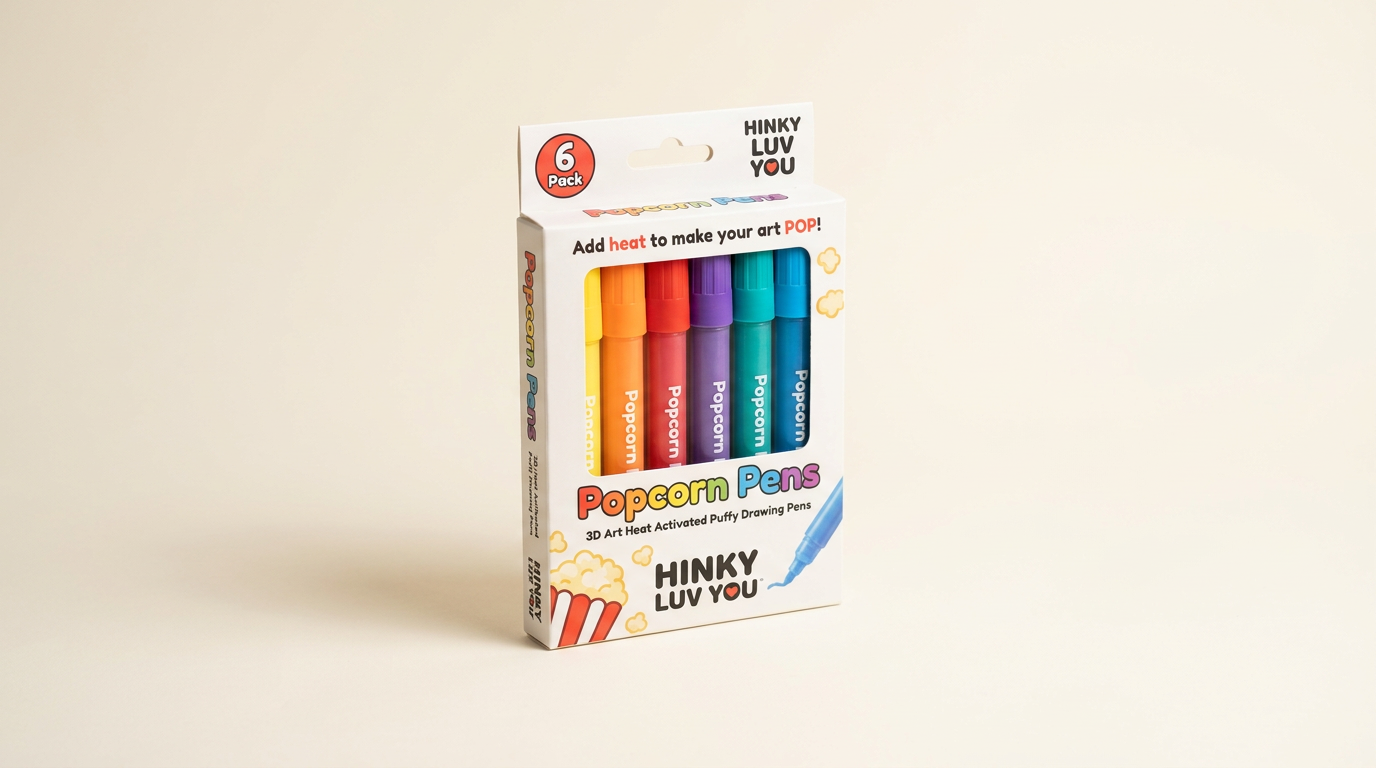
ROVIA 6 Colors Popcorn Pens Review: 3D Heat-Activated Art
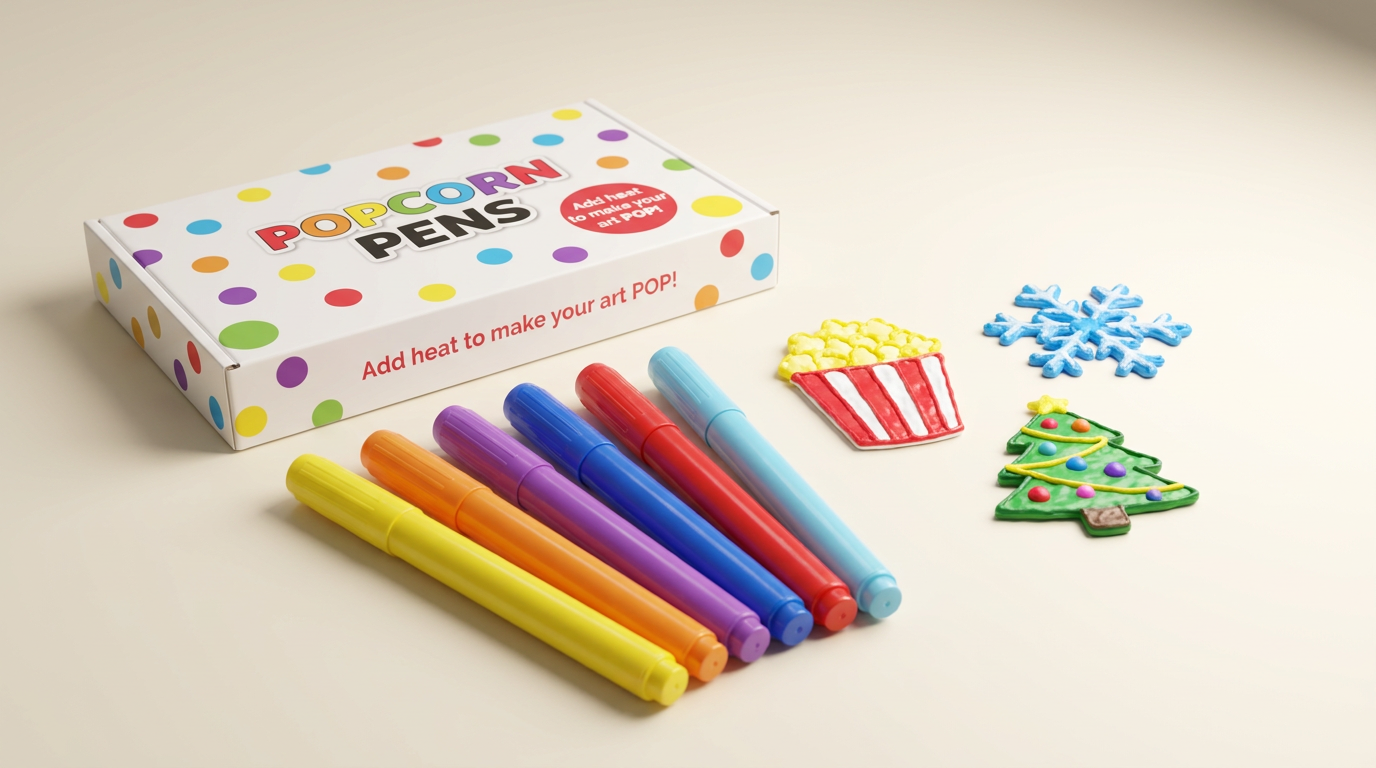
Popcorn 3D Relief Art Pens Review: Chemistry Without Context
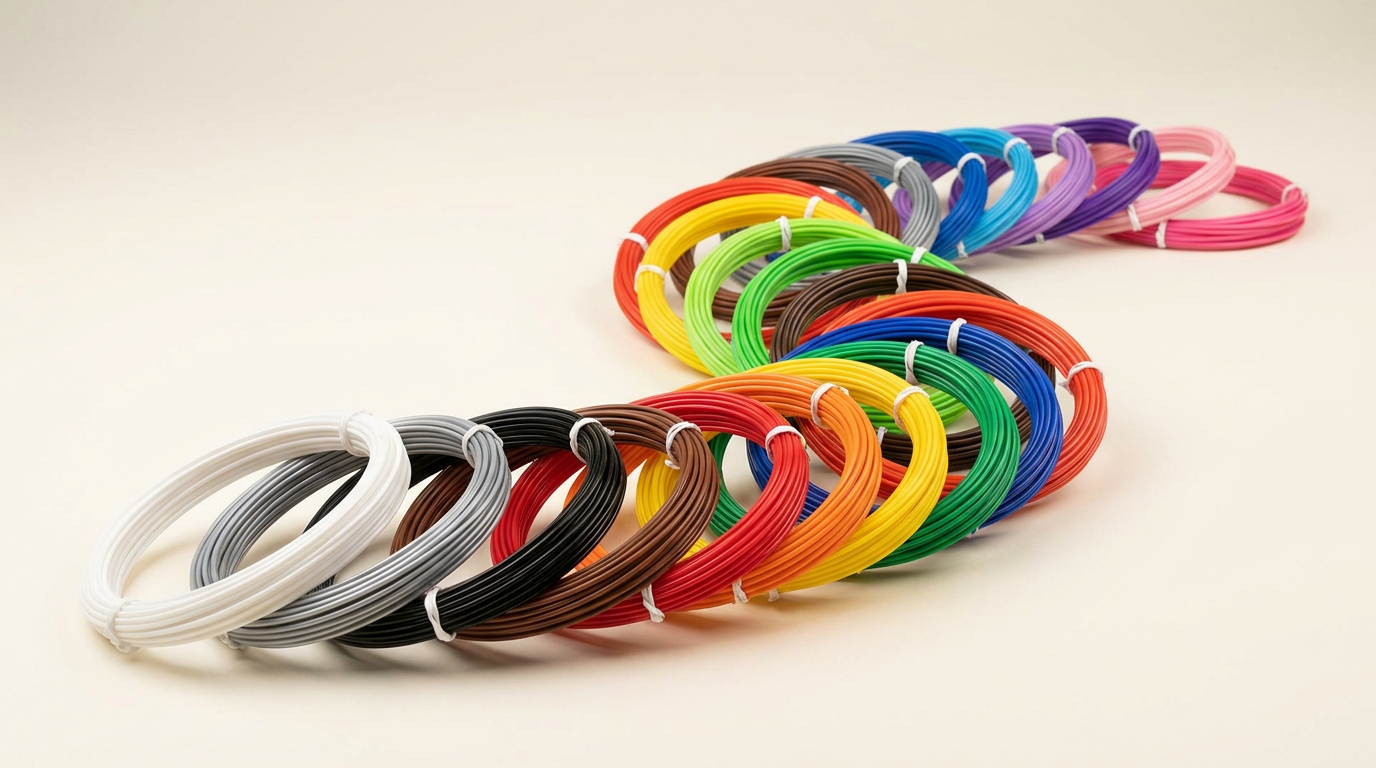
3D Pen Filament Refills 20 Colors Review: Reliable PLA Pack
This review is based on real experiences shared by owners in online communities.