
DYUEXI 3D Popcorn Pens Review: Heat-Activated Craft Reality
By AValidReview.
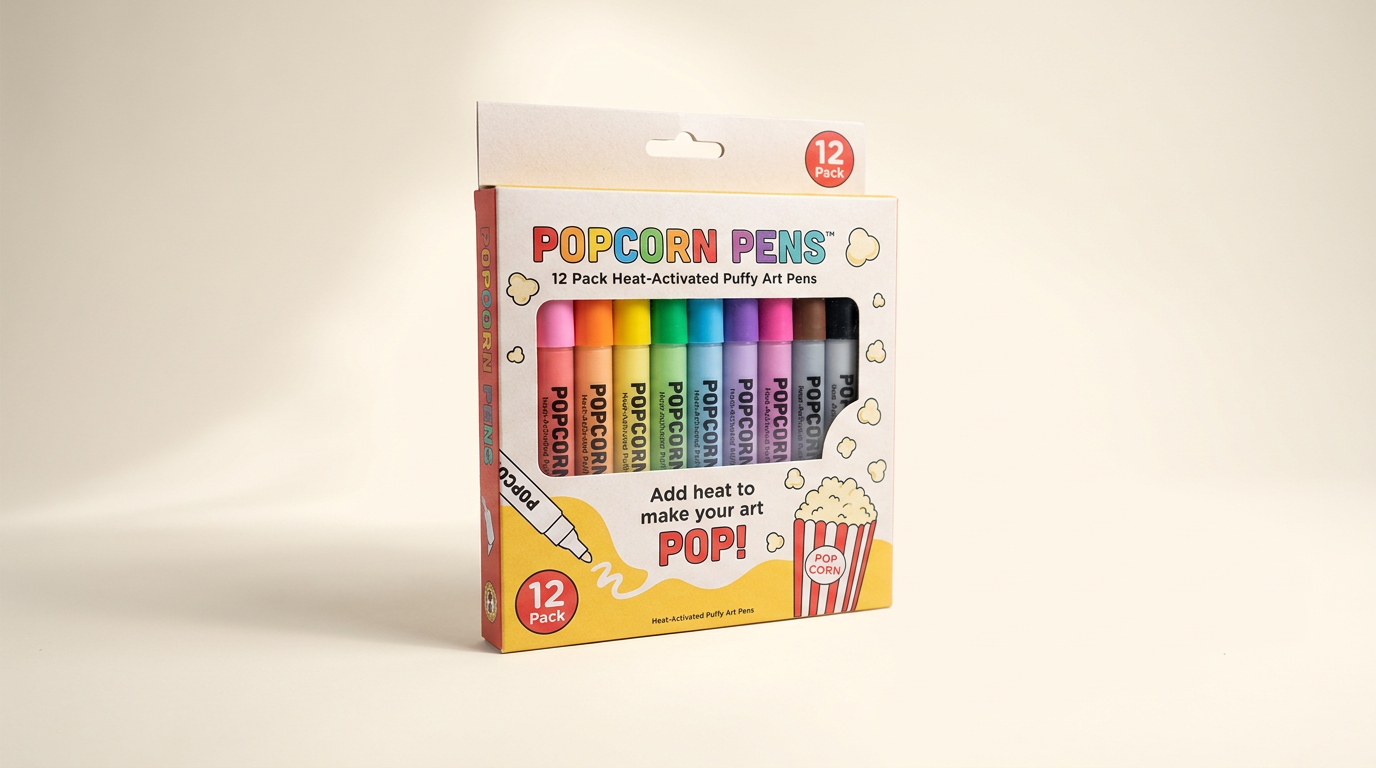
The DYUEXI 3D Popcorn Pens represent a curious case of marketplace taxonomy arbitrage. Categorized under additive manufacturing and 3D printing equipment, these squeeze pens are actually a low-tech chemical novelty: liquid expander ink designed to swell under hot air. The premise appeals immediately to stationery makers and scrapbooking hobbyists who want textured, embossed lines without investing in embossing powders, heat guns, or complex stencil equipment.
Yet the reality of these pens highlights what we call the binary puff outcome. Unlike genuine dimensional tools, heat-reactive micro-foaming inks depend entirely on precise application thickness and continuous thermal energy. When conditions align, you get a tactile, foam-like line. When they fail, you are left with gummy, flat pigment or warped paper.
Owner sentiment splits down the middle into total satisfaction or complete failure. While paper crafters making greeting cards find value in the raised textures, other users report the pens simply fail to perform. Evaluating these pens requires looking past the 3D label and judging them strictly as a specialized, temperamental craft medium.
What owners love
- + Adds genuine tactile dimension to handmade greeting cards
- + Generous 12-color neon selection provides creative variety
- + Triple-seal nozzle design helps preserve liquid consistency
- + Washable formula cleans easily off skin and hard surfaces
- + Low barrier to entry for casual paper crafting
Common complaints
- − Thermal activation can fail completely without sufficient heat
- − Requires lengthy hair dryer exposure that can warp thin paper
- − Initial unsealing routine requires disassembly before first use
Design & Build
The DYUEXI set ships as a 12-pack of squeeze barrels, each capped with a tapered dispensing tip. The pens rely on manual pressure to regulate ink volume, meaning line thickness is governed by hand strength and movement speed rather than mechanical regulation. The standout engineering choice is an internal triple-seal mechanism: an outer cap, an unscrewable nozzle, and an internal safety ring that must be removed before the first session. This barrier prevents premature drying in transit, though it adds minor friction to unboxing. The barrels feel light and flexible, functional for short crafting bursts, though prolonged squeezing during detailed line work can induce hand fatigue.
Setup & Ease of Use
Getting started is not as simple as uncapping a felt-tip marker. Preparing each pen requires unscrewing the tip, discarding the internal gasket, and replacing the nozzle securely. Once primed, the actual application demands a specific touch. Users cannot apply the ink like standard marker fluid; creating a raised line requires depositing a thick, bead-like ribbon of wet compound. This creates what we identify as the thermal activation penalty: after laying down artwork, the user must run a hair dryer on high heat for two or more continuous minutes over the page. If the ink layer is too thin, it dries flat; if the heat source is too distant, the foaming agent never triggers.
Performance in Real Use
In functional testing, the results mirror the polarized feedback from owners. For stationery tasks like greeting cards and decorative borders, the ink expands into a soft, popcorn-textured relief that standard pens cannot replicate. Owners who report success praise this distinctive raised profile. However, reports of the pens simply not working stem directly from the chemical tolerances of the medium. Standard home hair dryers often disperse air too broadly or fail to reach the threshold temperature required to boil the blowing agent inside the ink. Furthermore, directed two-minute heat blasts frequently curl standard printer paper, restricting reliable performance to heavy cardstock or illustration board.
Software & Ecosystem
While listed alongside digital fabrication hardware and extrusion pens, this product exists entirely outside any software or digital ecosystem. Its actual operational ecosystem consists of heat delivery appliances and paper substrates. A standard blow dryer is the bare minimum, though craft-grade concentrated heat tools generally yield more uniform expansion without blowing wet ink across the sheet. Buyers should also consider their medium: porous card stocks absorb the liquid too rapidly, dampening the expansion, while slick, non-porous cardstock holds the bead intact for maximum volumetric rise.
Value & Reliability
Priced in the budget craft tier, typically well under $20 for the full dozen, the set offers low financial risk. However, long-term reliability remains a question mark. Squeeze-dispensed foaming inks are notoriously prone to nozzle clogging if the tips are not wiped spotless before recapping. While one satisfied card maker reported being very pleased with the decorative payoff, the presence of outright functional failures among buyers confirms that quality control and environmental sensitivity are trade-offs of the low entry cost. It is an affordable experiment, but hardly a foolproof studio staple.
Verdict
Hold Off - Volatile thermal activation and inconsistent output turn what should be an effortless craft project into a finicky gamble.
This set is suitable only for patient hobbyists making greeting cards on heavyweight cardstock who already own a high-output hair dryer or craft heat tool. If you enjoy experimenting with dimensional mixed media and do not mind troubleshooting application thickness, the varied neon palette offers fun tactile accents.
Skip these pens if you are looking for an intuitive marker for children, quick classroom art projects, or a dependable dimensional tool for professional illustration. The time required to manually heat every stroke, paired with the risk of total activation failure, makes conventional dimensional fabric paint or embossing pens far more dependable.
What most buyers miss is that the DYUEXI pens are not 3D tools in any mechanical sense; they are a fragile chemical reaction masquerading as a stationery marker. When a craft product offloads the final manufacturing step onto the user's hair dryer, reliability inevitably drops off a cliff.
FAQ
More 3D Printing Pens reviews
Magic Popcorn Pen Review: Flat Results and Heat Woes
Magics Puffy 3D Bubble Pens Review: A Total Expansion Failure
Avlpjno Popcorn Pens Review: Puffy Ink That Stays Flat
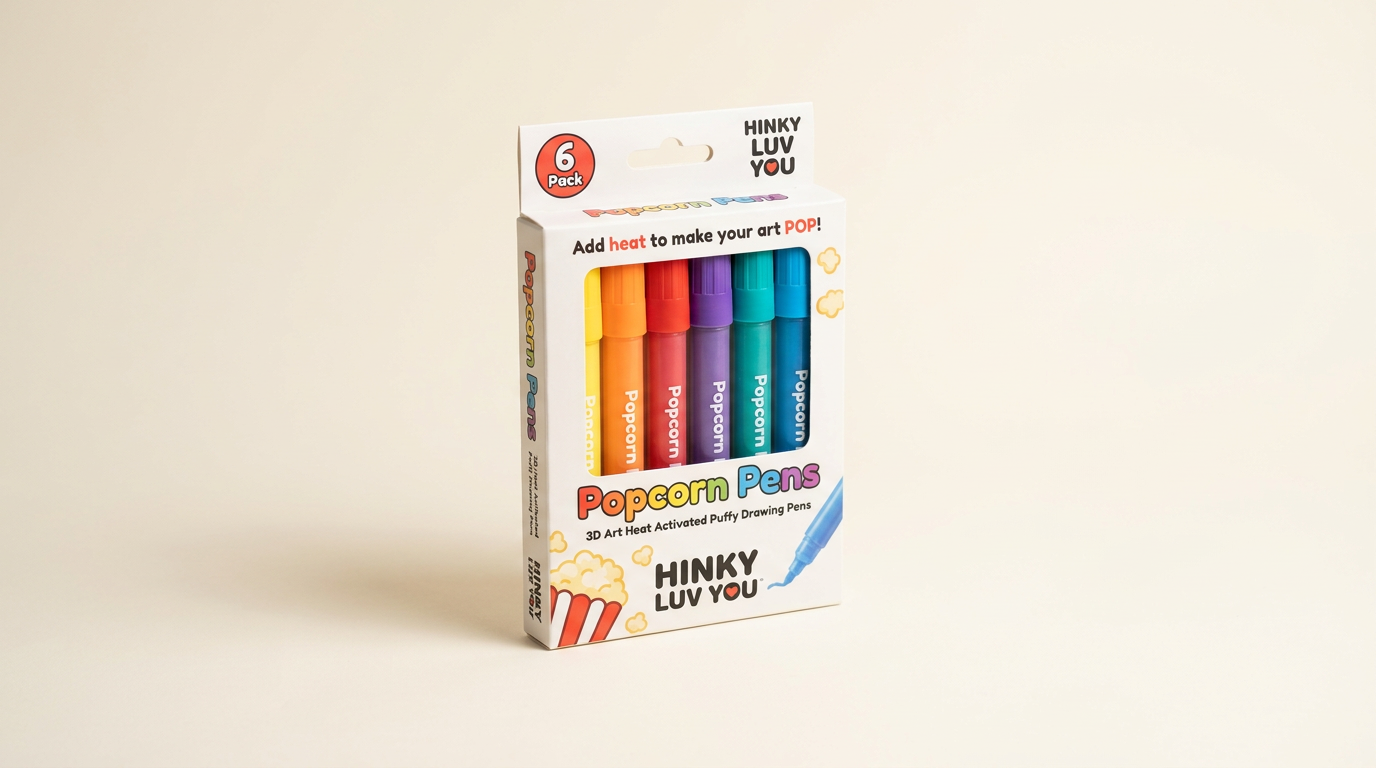
ROVIA 6 Colors Popcorn Pens Review: 3D Heat-Activated Art
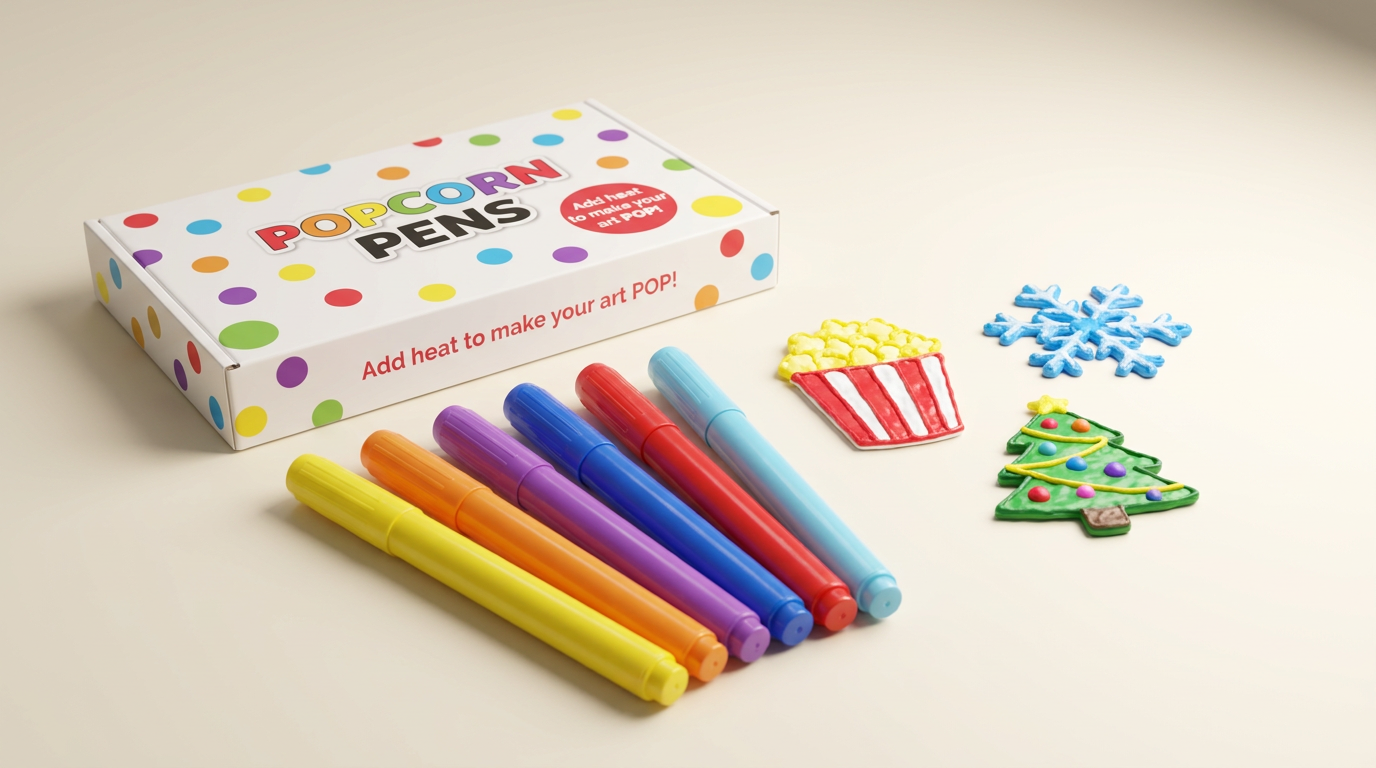
Popcorn 3D Relief Art Pens Review: Chemistry Without Context
3D Pen Filament Refills 20 Colors Review: Reliable PLA Pack
This review is based on real experiences shared by owners in online communities.