
eSUN PLA+ Filament: The Go-To Choice for High-Speed 3D Printers
This review is based on real experiences shared by owners in online communities.
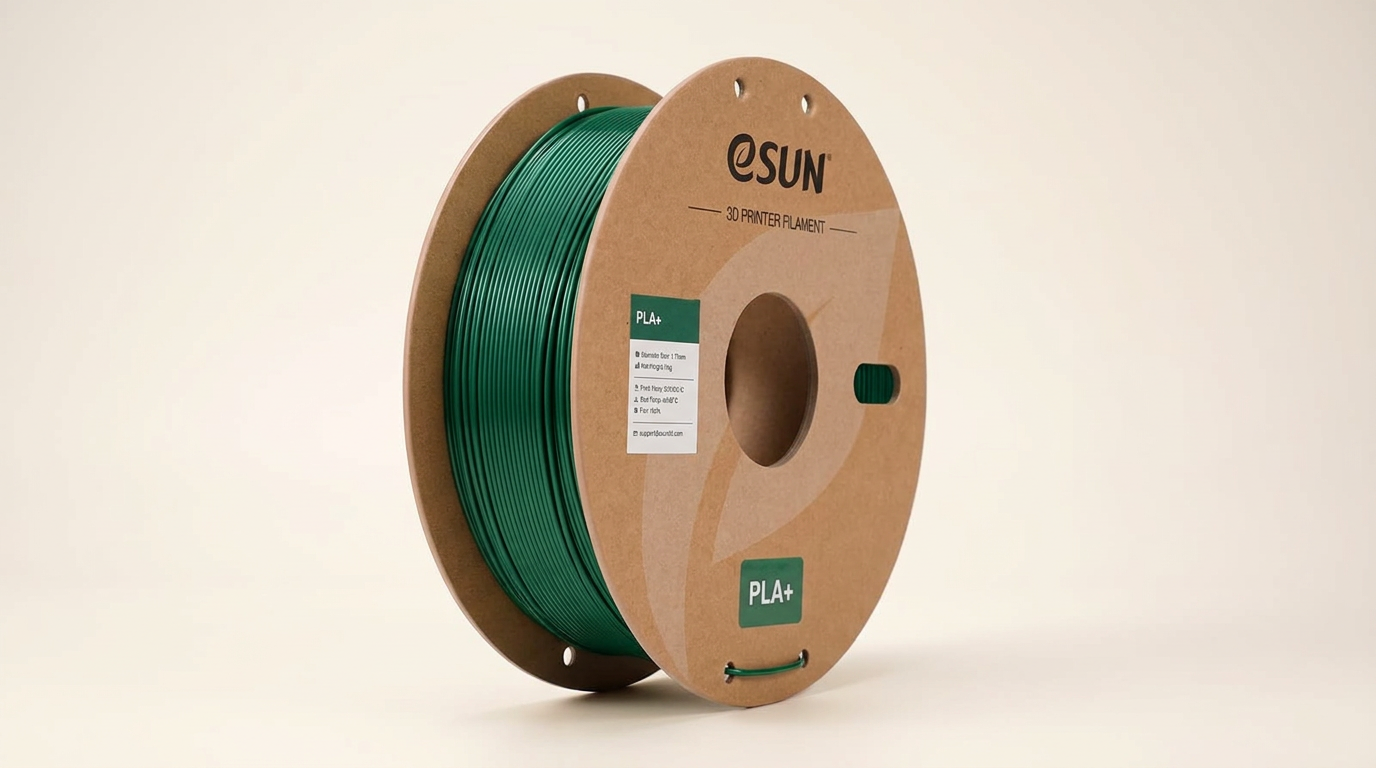
In the crowded landscape of 3D printing consumables, finding a filament that consistently performs across diverse printer platforms can feel like an endless calibration exercise. The eSUN PLA+ filament, particularly the 1.75mm variant, carves out a niche not by radical innovation, but by achieving a crucial equilibrium: delivering enhanced material properties without introducing the common printing complexities of other advanced polymers. It represents a mature iteration of PLA, designed for broad compatibility and consistent output.
This balance positions eSUN PLA+ as a pragmatic choice for a significant segment of 3D printing enthusiasts. Many users value dependable performance over boutique formulations or extreme specifications. This filament consistently delivers on that promise, offering a material that bridges the gap between standard PLA's ease of use and the functional demands of more rigorous applications, making it a reliable workhorse for day-to-day production.
Beyond its material properties, eSUN PLA+ benefits from a strong reputation for printability. Owners frequently describe it as a 'load and print' filament, indicating minimal fuss with settings or troubleshooting. This inherent ease of use is a critical, often undervalued, feature in a market saturated with options requiring extensive fine-tuning. It embodies a 'set it and forget it' philosophy, reducing the *calibration overhead* that plagues many other filaments.
What owners love
- + Consistently delivers smooth prints with excellent surface finish
- + Exhibits strong layer adhesion and material flexibility, often surpassing standard PLA
- + Resistant to common printing issues like stringing, clogging, and warping
- + Offers broad compatibility with popular FDM printers, including Bambu Lab models
- + Arrives neatly wound and vacuum-sealed, typically dry and ready for immediate use
- + Provides good value for its enhanced quality compared to other PLA+ options
Common complaints
- − Cardboard spools can create dust, potentially affecting certain advanced feeder systems like Bambu Lab AMS
- − Spool dimensions may cause fit issues with specific automated material handling systems
- − Some prints may still benefit from pre-drying, despite vacuum packaging
- − Slightly higher cost than basic PLA filaments, though generally considered good value
Design & Build
The eSUN PLA+ filament comes in a standard 1.75mm diameter, maintaining a consistent dimensional accuracy of +/- 0.03mm. Owners frequently highlight this precision, noting that it contributes to reliable feeding and stable prints. The material itself is an enhanced PLA formulation, designed for greater strength and toughness than conventional PLA, which translates to parts with better durability and flex. Owners confirm this, with several remarking on its ability to produce strong, less brittle objects. The winding quality is also a consistent point of praise; users report neatly wound spools that prevent tangles and snags during printing, contributing to uninterrupted operations. However, the use of cardboard spools is a recurring point of discussion. While appreciated for potential environmental benefits and the inclusion of remaining filament markers, some users, particularly those with Bambu Lab's AMS or similar systems, report issues with cardboard dust accumulation or spools not fitting correctly due to varying diameters, necessitating workarounds like adapter rings or modified setups. This creates a minor *ecosystem friction* for otherwise seamless integration.
Setup & Ease of Use
A hallmark of the eSUN PLA+ filament is its straightforward setup and exceptional ease of use. Many owners characterize it as a 'just works' filament, requiring minimal fiddling with settings. This plug-and-play characteristic is a significant advantage, particularly for those who prioritize printing time over extensive calibration. It exhibits excellent bed adhesion and smooth flow, preventing common issues like clogging and failed prints. While the manufacturer states the filament undergoes a 24-hour drying process and comes vacuum-sealed with desiccant, some long-term users still suggest pre-drying as a good practice, especially in humid environments, to achieve optimal, string-free results. This small preventative step aligns with best practices for any filament, confirming that while eSUN ships it dry, ambient conditions can still necessitate further drying. The consistent reports of seamless integration, even on high-speed printers like the Bambu Lab P1S and X1C, underscore its user-friendly profile, often requiring only minor temperature adjustments recommended by the supplier.
Performance in Real Use
In day-to-day operation, the eSUN PLA+ filament performs reliably across a spectrum of FDM printers. Owners consistently report smooth, high-quality prints with excellent surface finishes and strong layer adhesion. The material's enhanced properties are noticeable, with users comparing its strength and flexibility favorably to PETG for certain applications, albeit without the high-temperature resistance. Stringing and bubbling are rarely reported issues, contributing to high success rates for prints. Specific colors, such as 'bone' and 'pine green,' receive positive comments for their vibrancy and accuracy. This consistency extends to its behavior on high-speed machines; several users specifically mention flawless performance with Bambu Lab printers, highlighting its ability to maintain quality even under rapid extrusion rates. This capability suggests eSUN PLA+ meets the demands of modern printing acceleration, avoiding the *speed penalty* often associated with less refined filaments. The resilience of prints is also noted, with one user reporting outdoor use without brittleness or deterioration after a year, indicating good long-term stability for PLA+.
Software & Ecosystem
The eSUN PLA+ filament does not include proprietary software, relying on standard slicer programs like PrusaSlicer, Cura, or Bambu Studio. Its wide compatibility with diverse FDM printers means it integrates seamlessly into existing software workflows. Users typically apply recommended print settings from eSUN or common PLA+ profiles within their slicers, often requiring only minor temperature adjustments for optimal results. The primary ecosystem consideration revolves around its physical spool design. The cardboard spools, while generally functional, introduce a point of friction with certain advanced material handling systems, particularly the enclosed AMS units found in Bambu Lab printers. Owners find themselves printing custom adapter rings or wedges to accommodate the spools, creating a small, optional 'modding' layer to their printing experience. This aspect represents a *physical integration challenge* rather than a software one, but it is a recurring theme for users employing these specific automated systems.
Value & Reliability
The eSUN PLA+ filament consistently delivers strong value and high reliability. Positioned in the mid-range price segment, it offers a quality level that many owners equate with more expensive filaments. Users frequently describe it as their 'go-to' or 'favorite' filament, citing its consistent performance and affordability. The enhanced strength and toughness of PLA+ over standard PLA contribute to more functional and durable prints, making it a cost-effective choice for projects that require a bit more resilience. The vacuum-sealed packaging and neat winding contribute to its reliability by minimizing moisture absorption and tangles, which are common causes of print failures. While there might be cheaper filaments available, owners often find the slightly higher cost of eSUN PLA+ justifiable due to its reduction in wasted prints and troubleshooting time. This sentiment points to a clear *cost-of-failure dividend* where its reliable performance outweighs any marginal upfront savings from lesser alternatives.
Verdict
Buy - The eSUN PLA+ filament is a highly reliable and consistent performer, ideal for a wide range of FDM 3D printing applications.
This filament is an excellent choice for anyone seeking a dependable, high-quality PLA+ that minimizes printing headaches. It particularly suits users of modern high-speed printers who need consistent material flow and strong mechanical properties without frequent calibration. Hobbyists and professionals alike will appreciate its balance of strength, printability, and competitive pricing, typically falling under $25 per kilogram. Those who frequently print functional parts or prototypes will find its enhanced durability a significant advantage. This is not the cheapest filament on the market, but it is an accessible option for those looking to upgrade from basic PLA.
However, users with Bambu Lab AMS units or similar automated material handling systems should be aware of potential minor friction with the cardboard spools, which might necessitate printing adapter rings. If your workflow absolutely demands seamless integration with these systems without any user-made modifications, this aspect might be a minor consideration. Otherwise, this filament remains a strong contender. The eSUN PLA+ establishes itself as the default 'utility upgrade' in the PLA category, not just another incremental improvement, but the baseline for what strong, reliable, and frustration-free printing should be in the contemporary filament market.
FAQ
More 3D Printing Supplies reviews
RAMBERY Silk Dual Color PLA Filament Review: Aesthetic Impact for Small Prints
SUNLU High Speed PETG Filament Review: The 'Dry-First Economy' Advantage
ERYONE Silk Filament PLA+ Review: The Glossy Aesthetic Standard
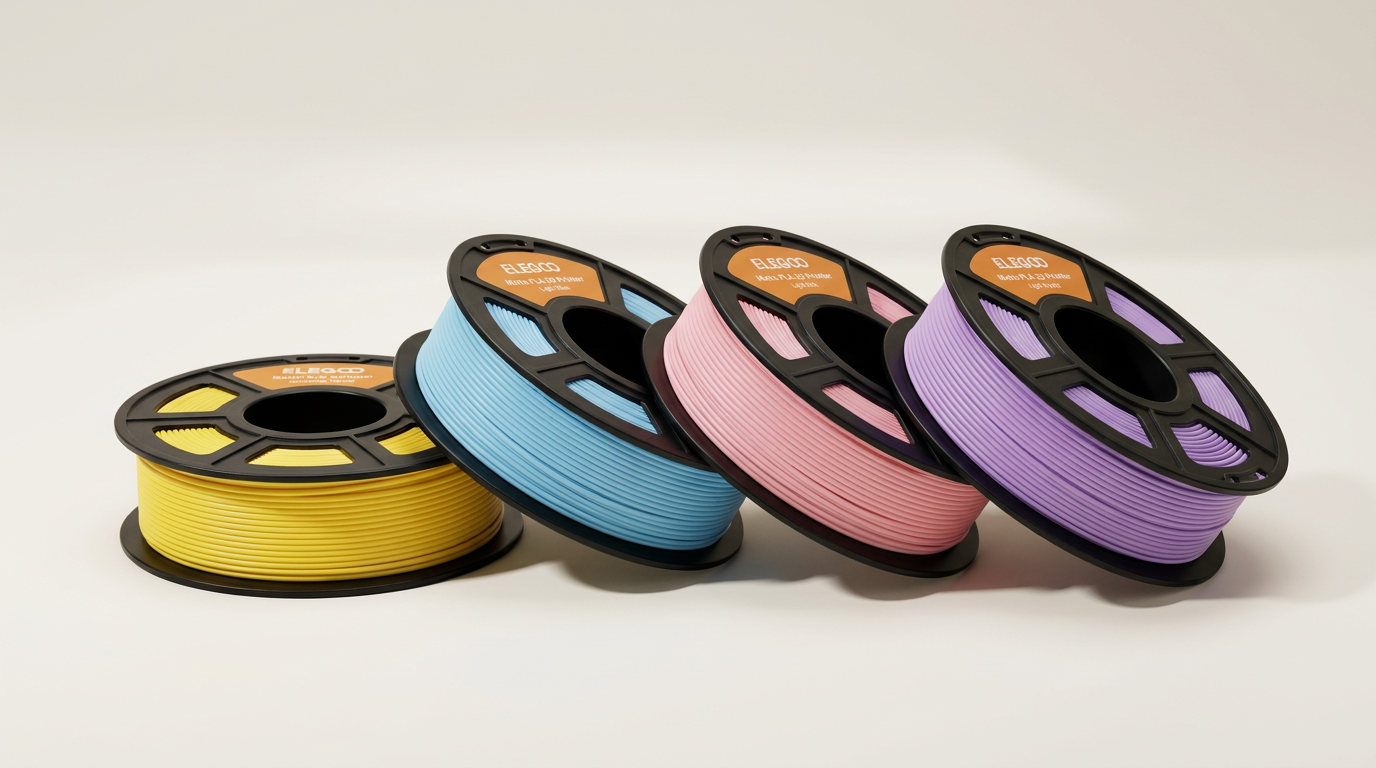
ELEGOO Matte PLA Filament Bundle Review: A Premium Material on a Budget
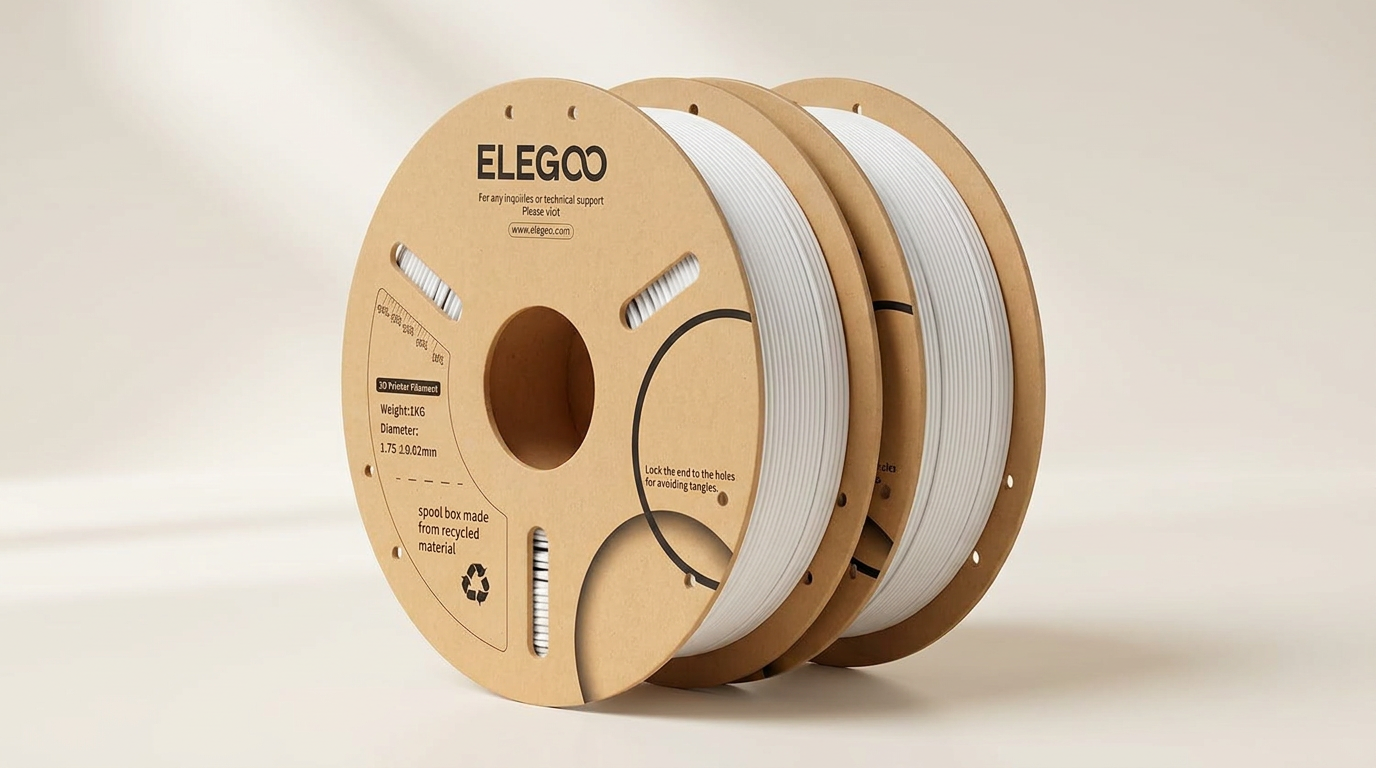
ELEGOO PLA Plus Filament Review: The Workhorse White
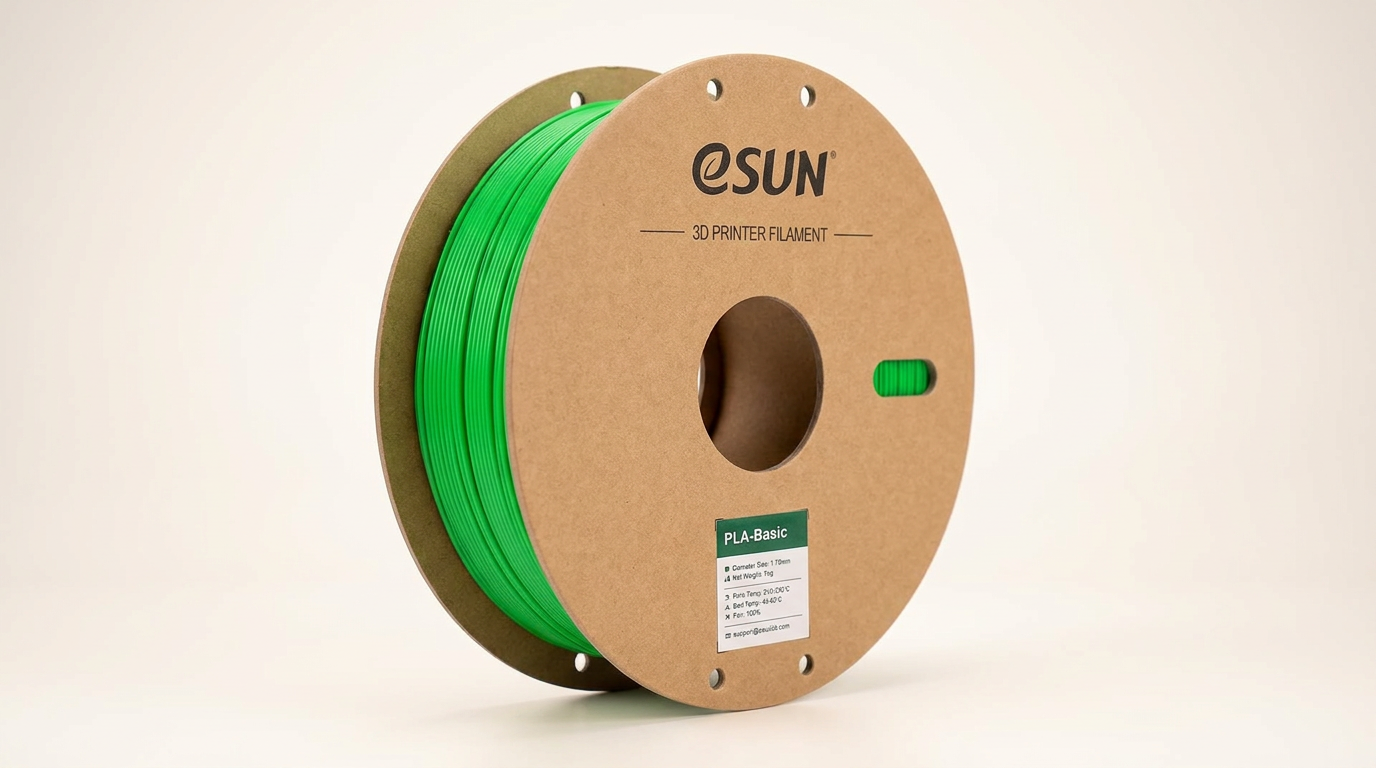
eSUN PLA Basic Filament Review: A Workhorse for 3D Printing
This review is based on real experiences shared by owners in online communities.