
SUNLU PLA+2.0 Filament Refill: An Unspooled Advantage for 3D Printing
This review is based on real experiences shared by owners in online communities.
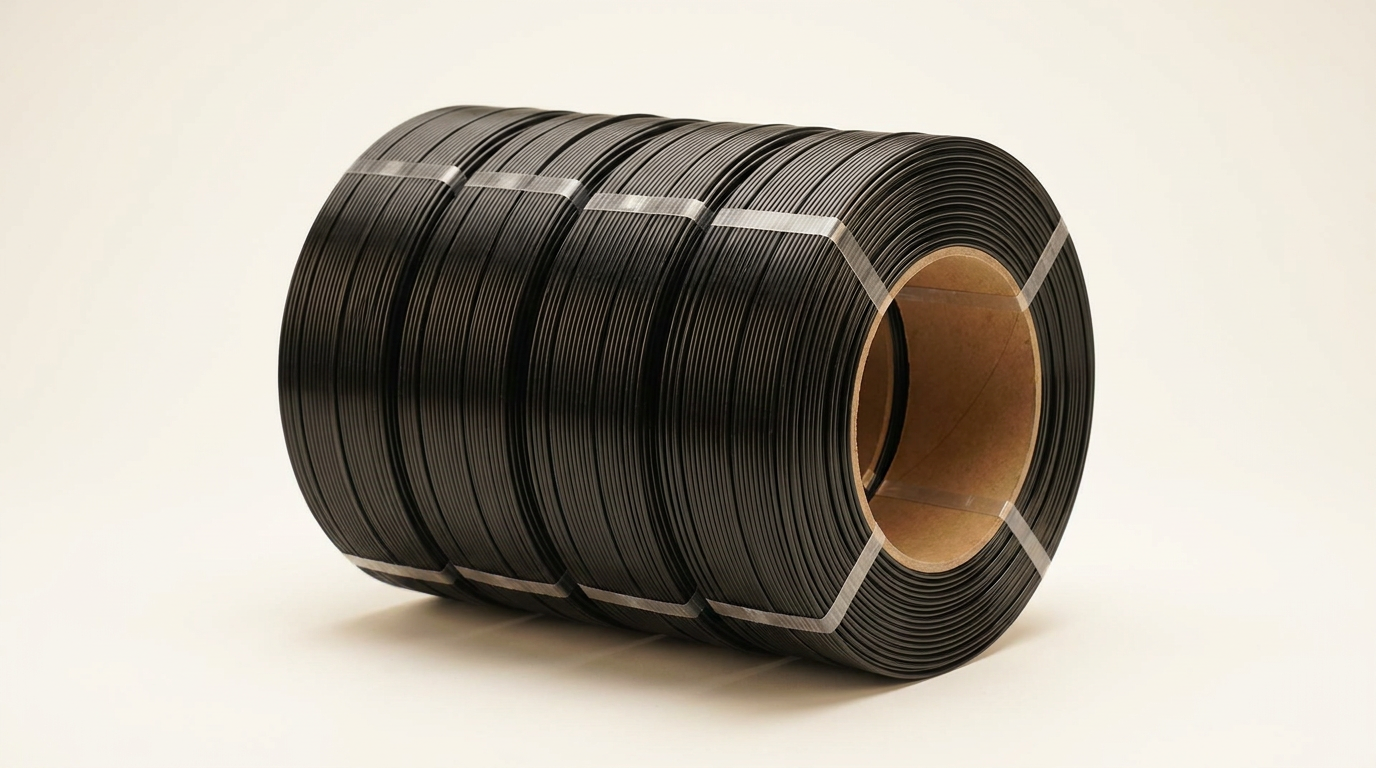
The 3D printing landscape increasingly values efficiency and material management. While many manufacturers focus on proprietary spool systems, SUNLU's PLA+2.0 filament refill challenges this norm by embracing the existing infrastructure of reusable spools. This unspooled approach presents a distinct advantage for high-volume users, particularly those with Bambu Lab systems, who seek to mitigate the recurring 'spool tax' associated with pre-wound offerings.
This refill-centric model isn't merely about cost savings; it signifies a shift towards more sustainable and integrated workshop practices. Owners consistently highlight its compatibility and print quality, suggesting that the core value proposition extends beyond just material price to a broader ecosystem benefit. Our review examines how well this filament delivers on its promise of performance, convenience, and economic efficiency for the demanding 3D printing enthusiast.
What owners love
- + Consistent print quality with minimal stringing
- + High compatibility with Bambu Lab AMS systems and spools
- + Reduces waste by utilizing reusable spools
- + Reliable and strong for functional parts
- + Offers good value for bulk purchases
Common complaints
- − Requires a separate reusable spool for operation
- − Some users reported occasional need for drying out of box
- − Not compatible with all reusable spool designs
- − Slightly higher clog incidence for a few users compared to other brands
Design & Build
The SUNLU PLA+2.0 filament arrives as a spool-less refill, a design choice primarily aimed at reducing plastic waste and offering cost savings. This 'unspooled advantage' appeals directly to users who have accumulated reusable spools, especially from systems like Bambu Lab. The filament itself is consistently described as robust, with owners noting its excellent toughness and impact strength for functional prints. While the core material quality receives widespread praise, the design is inherently dependent on a user's existing spool infrastructure. This mandates careful consideration of spool compatibility before purchase, a detail SUNLU addresses by specifying its reel hole diameter.
Setup & Ease of Use
Setting up the SUNLU PLA+2.0 refill involves mounting it onto a reusable spool. Owners report this process is generally straightforward, particularly with Bambu Lab spools, with a few emphasizing the need to properly lock the filament into place to prevent feeding issues. This reflects a common sentiment around 'assembly-required' consumables: the initial effort is minimal, but critical for smooth operation. The filament’s neatly wound presentation also contributes to its ease of use, actively reducing tangles and feed problems that can derail print jobs, a recurring frustration with less meticulously wound refills from other brands. Several users note that the setup process is quick and enables rapid printing, leveraging the filament's stated high-speed capabilities.
Performance in Real Use
Across various printers, including Bambu Lab P1S and A1 units, the SUNLU PLA+2.0 consistently delivers strong print quality. Owners frequently highlight its smooth liquidity, minimal stringing, and ability to produce visually appealing parts with clean, consistent colors. Its performance at higher print speeds, up to 300mm/s, is a significant draw for many, allowing for faster project completion without compromising output integrity. The material's inherent strength is frequently cited, making it suitable for functional components and detailed miniatures alike. While most users report good out-of-box performance, a small number mentioned that drying the filament beforehand improved results, indicating a slight variability in moisture content. This suggests a 'pre-print prep' consideration for optimal results, especially in humid environments.
Software & Ecosystem
SUNLU's PLA+2.0 benefits significantly from its stated compatibility with Bambu Lab AMS (Automatic Material System) and Bambu Studio, creating a 'plug-and-play' experience for a large segment of its user base. Owners commend the ease of integrating this filament, often finding pre-existing profiles within Bambu Studio that streamline setup. This integration positions the filament not just as a standalone product, but as a complementary component within a larger, high-performance printing ecosystem. For users invested in the Bambu Lab platform, this offers a compelling alternative to first-party filaments, leveraging existing software advantages and minimizing configuration headaches. This seamless workflow is a hidden upside that many filament reviews overlook, making the overall printing experience significantly smoother.
Value & Reliability
The primary appeal of the SUNLU PLA+2.0 refill lies in its strong value proposition, particularly when purchased in bulk packs. Owners consistently frame it as a more economical choice compared to pre-spooled options, including some from Bambu Lab, without a perceived drop in quality. Its reliability is a recurring theme, with users reporting consistent performance across numerous rolls and varied projects. The reduction of plastic waste through the refill model contributes to its overall value, aligning with increasing consumer demand for sustainable practices. This blend of affordability, consistent print outcomes, and environmental consideration makes it a 'budget bulk' leader in its category, especially for everyday printing needs where material costs quickly accumulate.
Verdict
Buy - This filament provides a compelling balance of quality, value, and ecosystem compatibility for high-volume 3D printing.
This product is ideal for users already possessing reusable spools, particularly those with Bambu Lab printers and AMS systems, who prioritize cost-effective, consistent, and strong PLA+ material. It serves makers who frequently print functional parts, detailed models, or require significant quantities of filament without the added cost and waste of new spools. Those new to 3D printing or without a collection of reusable spools might find the initial requirement for a separate spool an added step.
The SUNLU PLA+2.0 refill represents the growing 'ecosystem filament' trend, where material selection isn't just about the plastic itself, but its seamless integration into a specific printer's workflow. It reveals the 'refill paradox': while seemingly a more involved setup, it often leads to a more streamlined and sustainable printing habit for the dedicated maker. This product isn't merely a cheap alternative; it's a strategic choice for efficiency and reduced environmental footprint within a modern 3D printing setup.
FAQ
More 3D Printing Supplies reviews
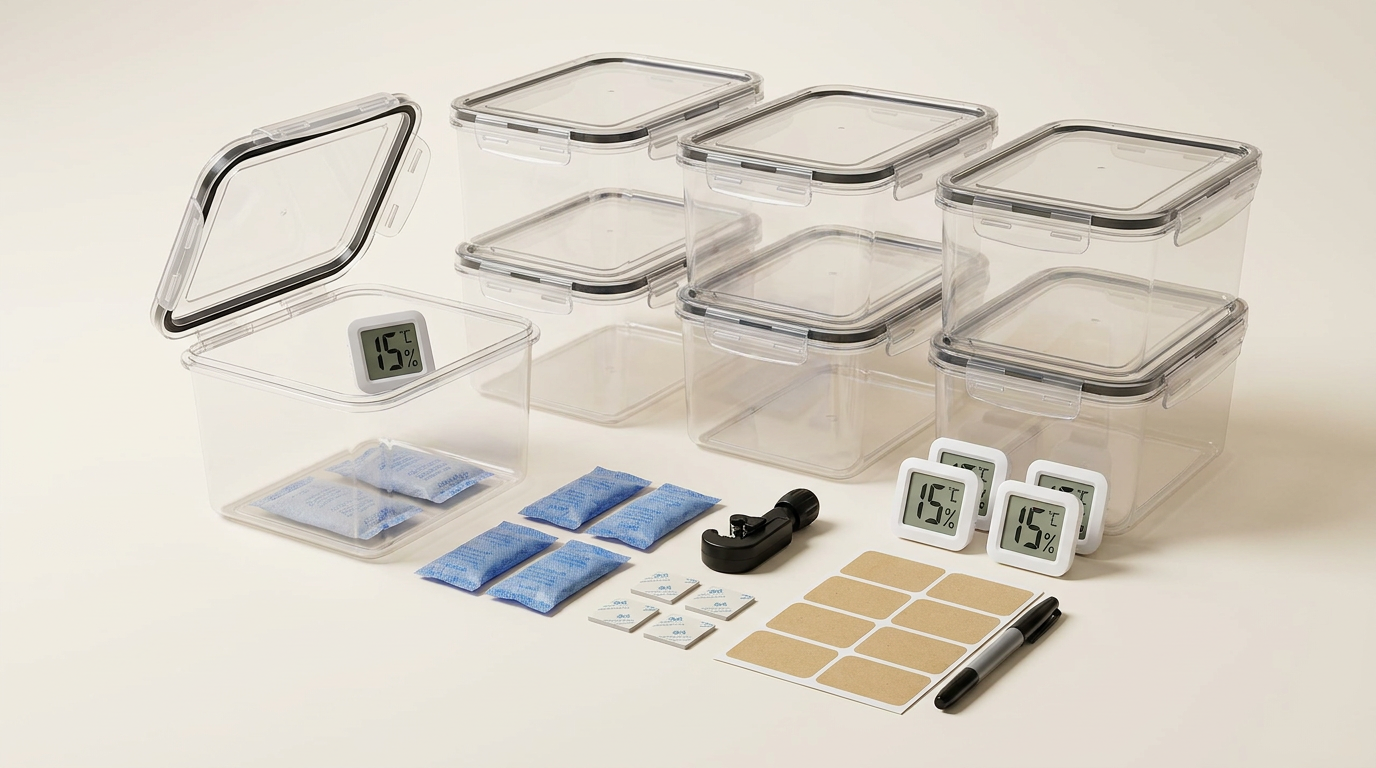
Fuitnerd Filament Storage Box: An Accessible Dry Storage Solution
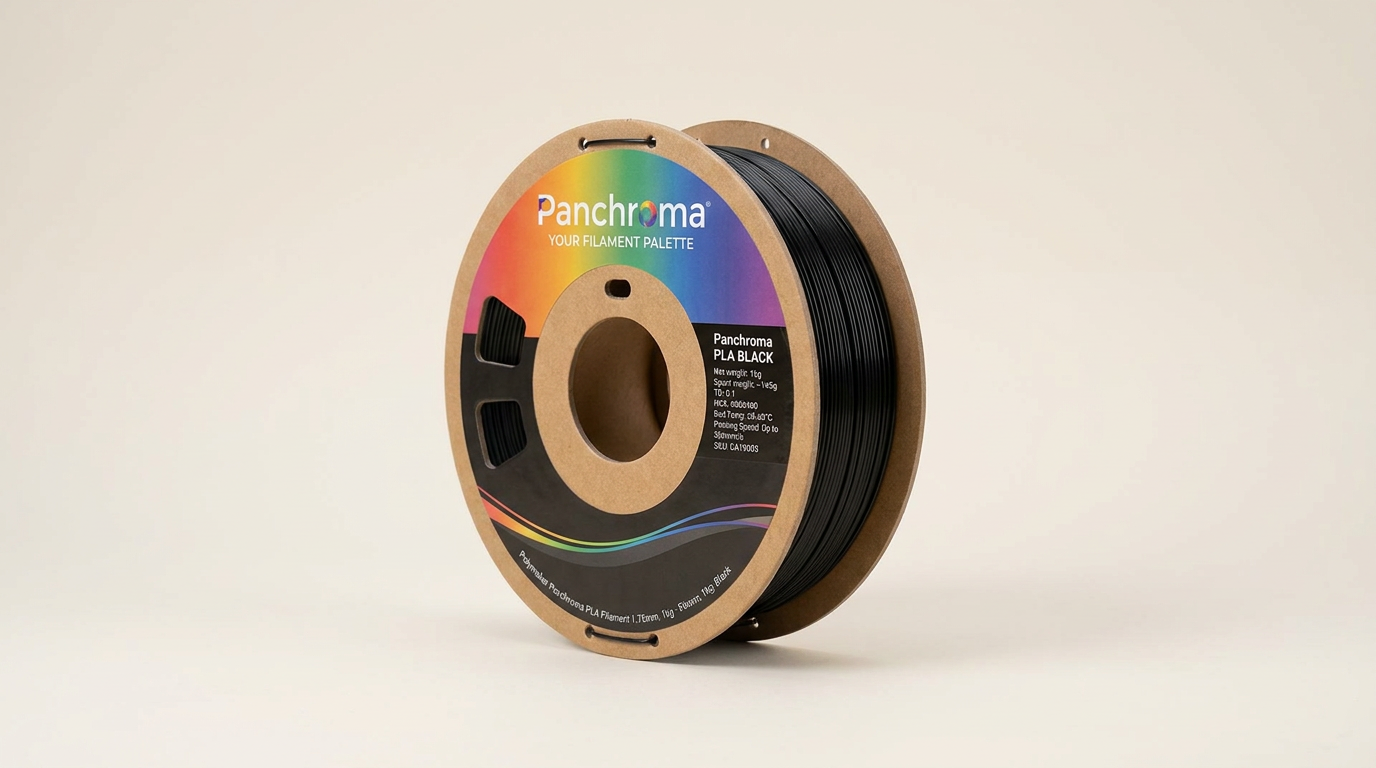
Polymaker Panchroma PLA Filament Review: Consistent Prints, Vivid Colors
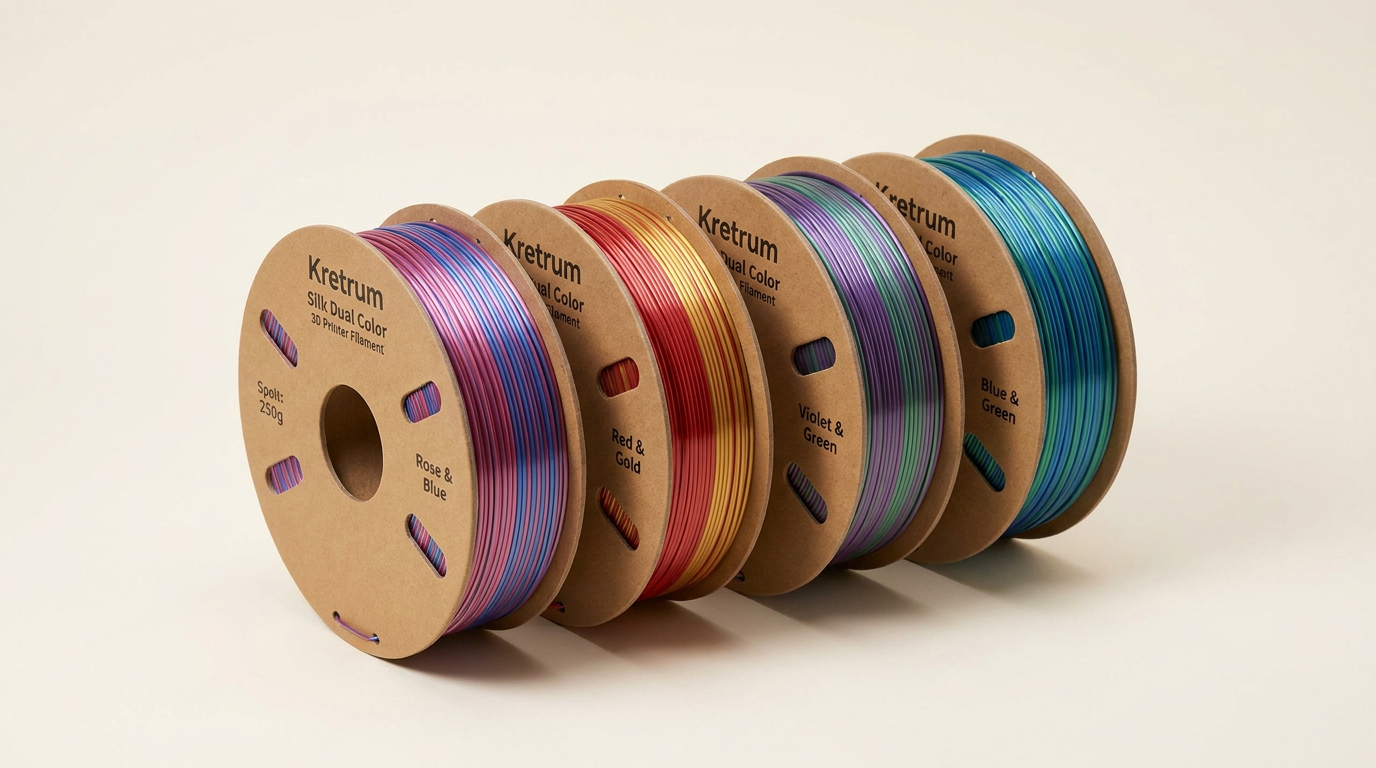
Kretrum Silk Dual Color PLA Filament Review: Vibrant Aesthetics for 3D Printing
eSUN High Speed PLA+ Filament Review: The Workhorse for Fast Printers
SUNLU PETG Filament 4kg Review: The Bulk Workhorse for High-Volume Prints
Deeplee PLA+ 2.0 Filament Review: A Workhorse Material for 3D Printing
This review is based on real experiences shared by owners in online communities.