
EONO3D Matte 95A TPU Review: The Layer-Hiding Flexible
This review is based on real experiences shared by owners in online communities.
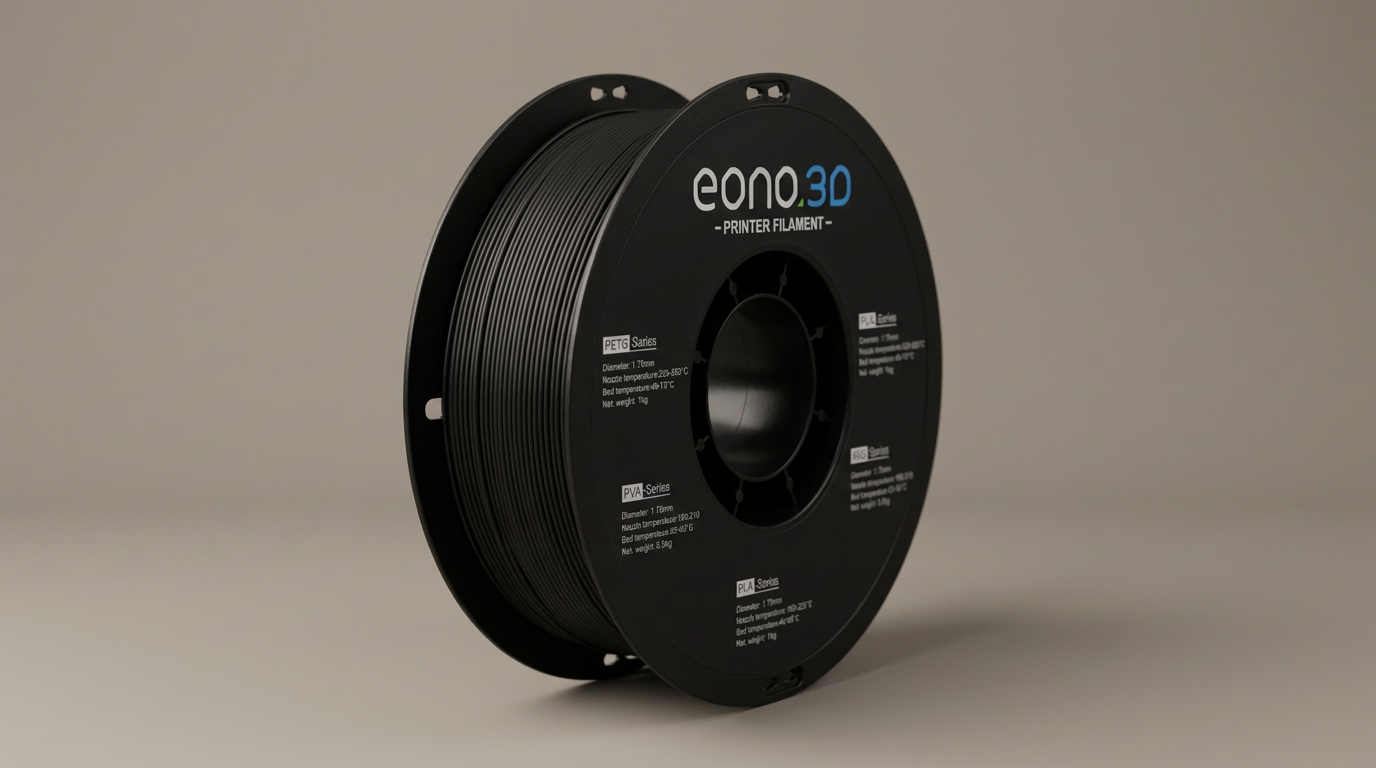
Most flexible 3D prints suffer from an unavoidable aesthetic penalty: the slick, shiny surface that highlights every uneven extrusion and screams prototype. EONO3D targets this flaw directly with its Matte 95A TPU, swapping greasy reflections for a diffuse, light-absorbing finish that visually mimics injection-molded industrial rubber or carbon-filled nylon.
This material targets functional prints that need to look finished: phone cases, tool bumpers, gaskets, and wearables. Shore 95A remains the category baseline for good reason, offering enough column strength to push through modern direct-drive extruders without folding like wet spaghetti. By introducing a flat matte profile into an entry-level price bracket, EONO3D reframes flexible printing from a novelty experiment into a genuine end-use manufacturing tool.
At a price point hovering around $20 per kilogram, this spool enters an aggressive tier where material formulation and winding consistency make or break a project. The results on the build plate justify the hype, provided you understand the material's specific feeding rules and respect the non-negotiable requirement for pre-print moisture removal.
What owners love
- + Clean, low-gloss matte finish hides layer lines exceptionally well
- + Dependable Shore 95A rigidity feeds smoothly without extruder buckling
- + Compatible with generic slicer TPU profiles on modern direct-drive machines
- + Strong layer bonding and solid tear resistance on functional parts
- + Very competitive cost per kilogram for a specialty matte formulation
Common complaints
- − Strict drying required prior to printing to prevent stringing and clogs
- − Incompatible with multi-material feed systems like the Bambu Lab AMS
- − Shore 95A hardness feels stiff to users expecting floppy, silicone-like give
- − Inconsistent factory vacuum sealing noted across some production batches
Design & Build
Standard flexible filaments carry what we call the gloss tax: a high-sheen exterior that bounces light off layer ridges and amplifies microscopic imperfections. EONO3D circumvents this by dispersing surface reflections, giving parts an aesthetic reminiscent of fine-grit textured powder coatings or composite blends. The winding on the rigid plastic spool is uniform and tight, reducing the odds of cross-layer snags that can stall a print mid-feed.
The mechanical profile centers on what newcomers often misunderstand: the Shore 95A rigidity paradox. Buyers frequently purchase flexible filament assuming it will yield the floppy elasticity of a silicone band. In reality, 95A acts like hard automotive rubber or an inline skate wheel. It yields under dynamic compression and absorbs impacts without cracking, but maintains structural geometry under load. That rigidity is an intentional engineering asset. It gives the filament the column stiffness needed to prevent buckling inside direct-drive feed gears.
Setup & Ease of Use
Printing with this material demands respect for the drying threshold. Like all thermoplastic polyurethanes, EONO3D Matte TPU is hydrophilic. Several owners report encountering weak factory vacuum seals upon delivery, making an initial drying cycle of six to twelve hours at 55 to 65 degrees Celsius mandatory rather than optional. Attempting to run this spool straight from the packaging can lead to first-layer clogging and excessive stringing, whereas properly baked filament runs clean.
Physical routing requires deliberate setup. This filament will not navigate automated multi-material feeder systems, such as the Bambu Lab AMS, where flexible strands quickly bind in long PTFE tube runs. It must be fed directly from an external spool holder or heated dry box straight into the toolhead. On the build platform, bed adhesion is aggressively strong on textured PEI sheets. Applying a thin interface layer of standard glue stick or hairspray is critical not to enhance stickiness, but to act as a release agent that prevents the TPU from fusing permanently to the print bed surface.
Performance in Real Use
Once dialed in, the day-to-day output is remarkably clean. Print owners running everything from Bambu Lab P1S and X1C units to Creality and Snapmaker platforms report that the filament handles continuous prints with minimal oozing. The material exhibits high tensile durability; functional items like custom dead-blow mallet heads, drone bumpers, and machinery gaskets endure repeated abrasion and mechanical stress without layer delamination.
The real standout is the perimeter quality. Layer lines virtually vanish on curved vertical walls, giving finished prints the appearance of solid, molded elastomer rather than stacked plastic strands. Tight dimensional tolerance around 1.75 millimeters keeps flow predictable. Owners printing with standard 0.4mm nozzles note that a slightly higher initial layer height helps establish reliable extrusion, and flushing the hotend with PLA immediately after a TPU run prevents cold-pull clogs.
Software & Ecosystem
Slicing EONO3D Matte 95A does not require bespoke, proprietary software profiles. Most users achieve great results by selecting their slicer's default generic TPU 95A preset and restricting the maximum volumetric flow rate to between 3.5 and 6 cubic millimeters per second. Keeping print speeds in the range of 30 to 45 millimeters per second ensures stable melt flow and stops backpressure from ballooning the filament behind the nozzle.
Retraction tuning is where most operators will spend their initial calibration time. Direct-drive machines handle this material best with short, rapid retractions around 0.8 to 1.5 millimeters at roughly 30 millimeters per second. Color representation across the wider EONO3D flexible lineup can sometimes stray from stock photos, but this specific matte black variant delivers the deep, neutral charcoal tone buyers expect for technical and protective hardware.
Value & Reliability
In the budget sub-category hovering around $20, flexible materials often force a compromise between ease of extrusion and surface aesthetics. Cheap glossy TPUs string relentlessly and leave finished prints looking like wet licorice. Premium specialty TPUs resolve the aesthetic problem but routinely cost double or triple the price per kilogram.
EONO3D lands squarely in the sweet spot for utility-focused makers. It provides the visual quality of high-tier design filaments alongside the mechanical resilience required for working components. Occasional reports of loose vacuum packaging require vigilance upon unboxing, but the base polymer itself exhibits dependable consistency from the outer wraps to the core of the spool.
Verdict
Buy - A capable, clean-printing flexible filament that eliminates the glossy toy look without demanding premium pricing.
This spool belongs in the workshop of any maker with a direct-drive 3D printer who wants functional parts that look like production-grade goods. It is an ideal pick for rugged enclosures, vibration dampers, protective boots, and wearable accessories. However, if your projects require ultra-soft, jelly-like compliance, Shore 95A will feel excessively rigid, and users relying solely on closed multi-material AMS setups will find the manual feeding process frustrating.
The real victory of EONO3D Matte TPU is how it normalizes industrial finish standards at an entry-level price. It proves that flexible 3D prints no longer have to announce themselves with a greasy shine, giving budget-conscious fabricators a reliable path to parts that look built, not printed.
FAQ
More 3D Printing Supplies reviews
ANYCUBIC PLA Filament Refill Review: Smart Spooling
ALECPEA 3D Print Glue Review: Precision Bonding for Makers
SUNLU Matte Bone White PLA Filament Review: A Budget Workhorse
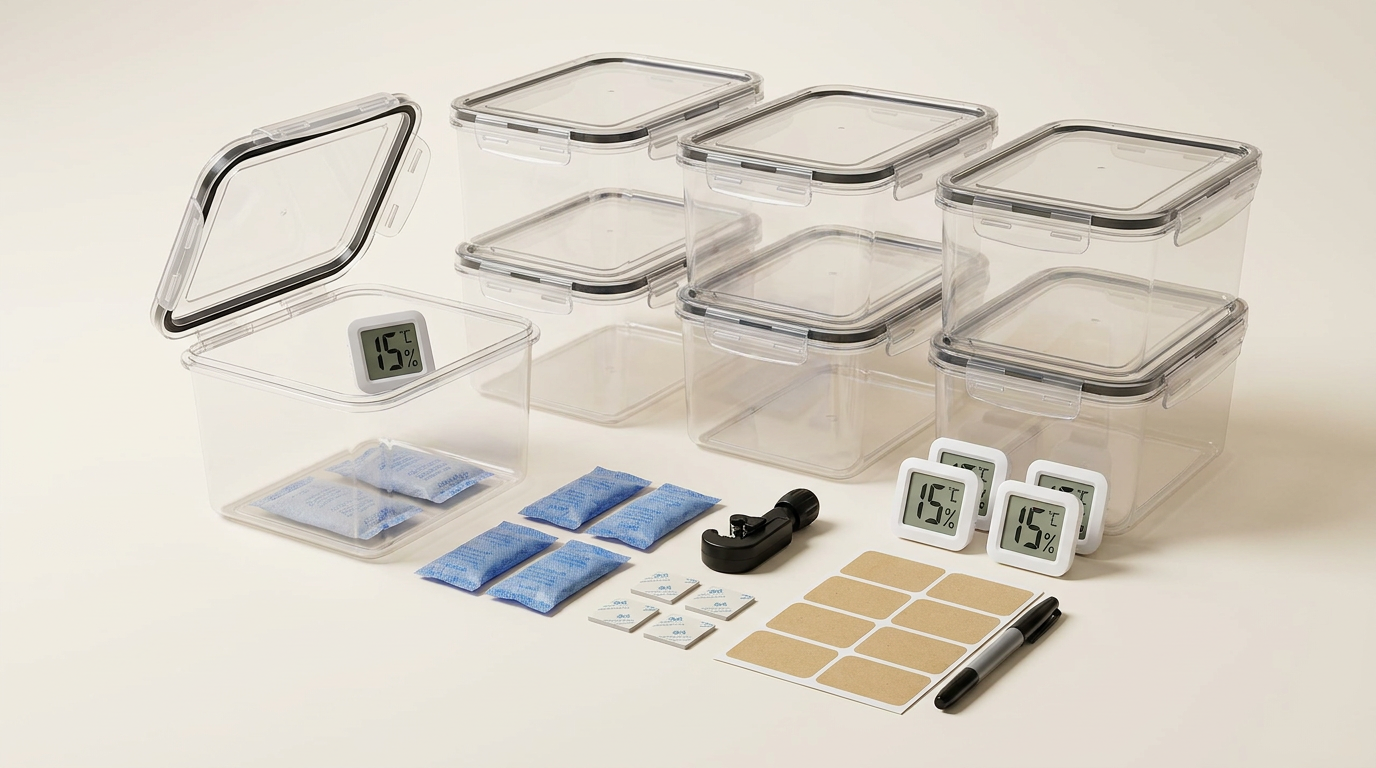
Fuitnerd Filament Storage Box: An Accessible Dry Storage Solution
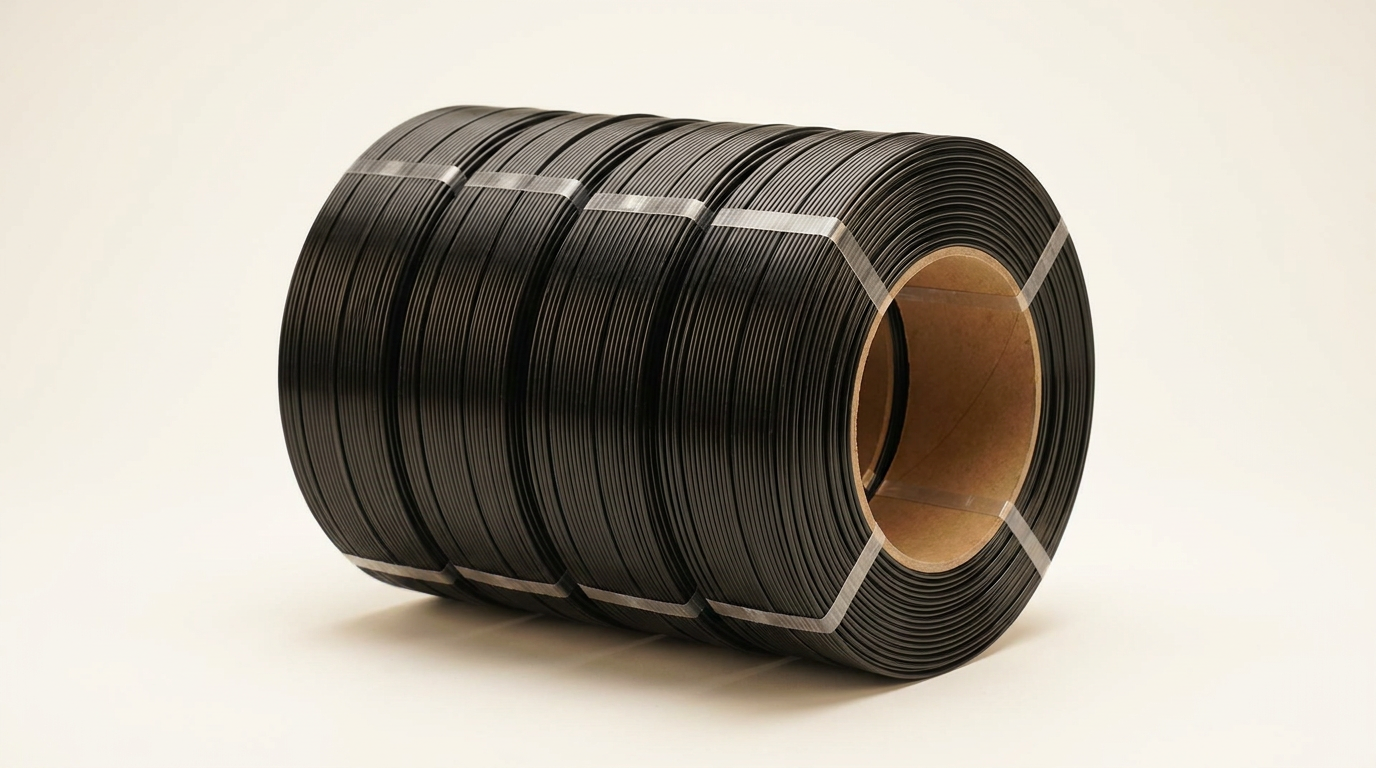
SUNLU PLA+2.0 Filament Refill: An Unspooled Advantage for 3D Printing
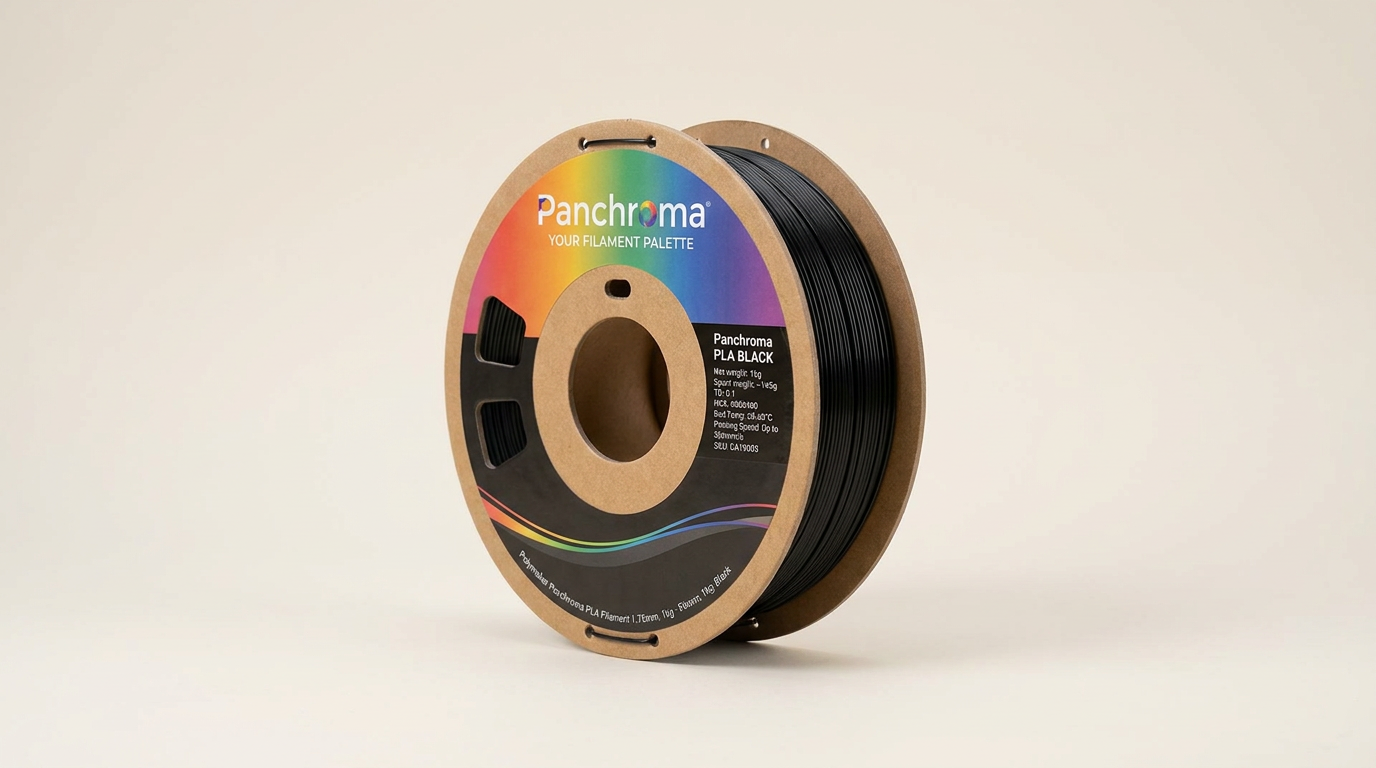
Polymaker Panchroma PLA Filament Review: Consistent Prints, Vivid Colors
This review is based on real experiences shared by owners in online communities.