
ALECPEA 3D Print Glue Review: Precision Bonding for Makers
This review is based on real experiences shared by owners in online communities.
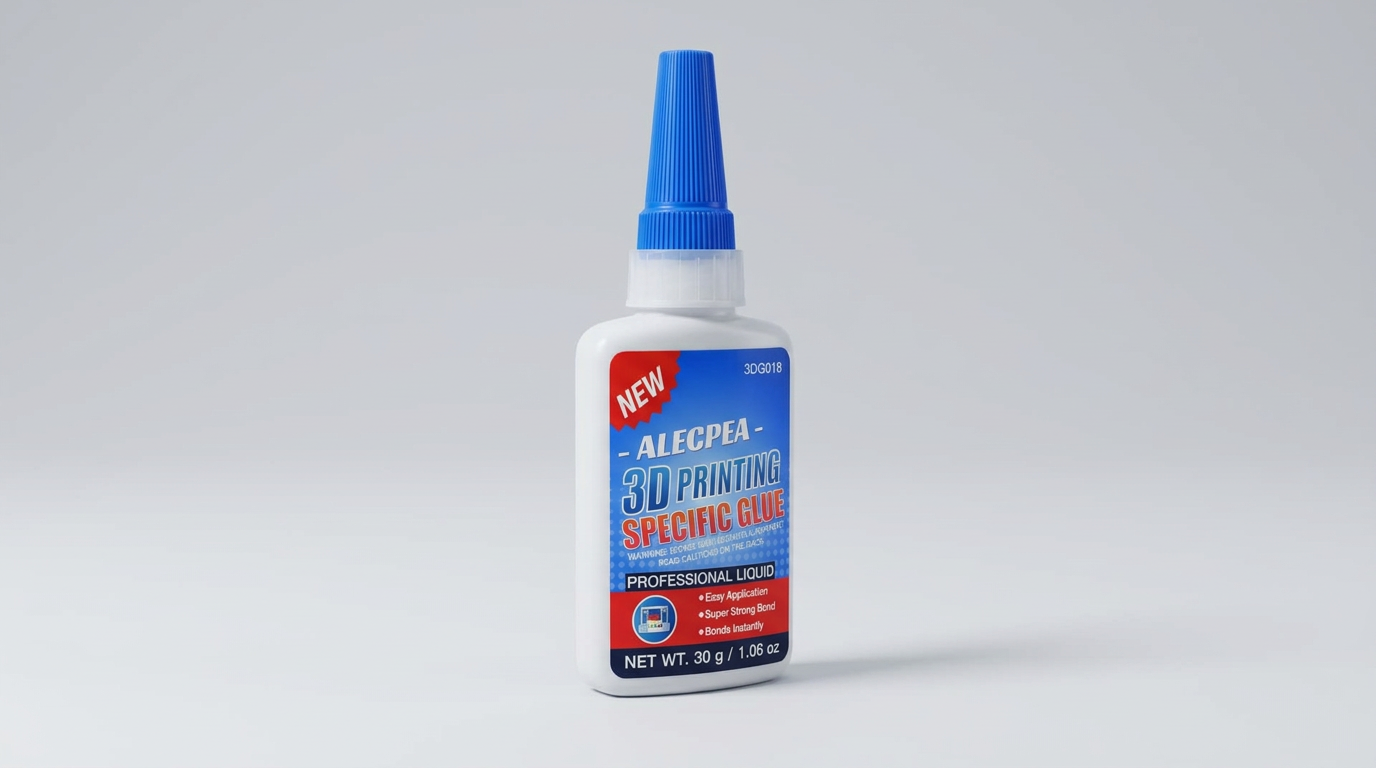
Modern desktop 3D printing consistently pushes builders toward ambitious, multi-part projects, yet physical build volumes remain inherently limited. When large models must be split across multiple plates, the ultimate success of the object depends less on slicer tuning and far more on adhesive chemistry. What most makers miss is that general-purpose household superglues often sit like a thick wedge between parts, misaligning dowel pins and leaving visible seam ridges.
ALECPEA tackles this challenge by leaning directly into the multipart compromise: rather than acting as a thick gap-filler, this cyanoacrylate features an ultra-low viscosity designed for pure capillary action. It flows directly into printed striations and tight joint tolerances without forcing parts out of square.
At under $10 for a generous 30-gram supply with dedicated micro-applicators, ALECPEA positions itself as an indispensable consumable for the dedicated maker workbench. It makes distinct design trade-offs that reward precision while punishing sloppy application, making it a specialized tool rather than a generic household utility.
What owners love
- + Watery low-viscosity formula wicks deeply into printed layer lines and hairline seams
- + Rapid tack time between 10 and 15 seconds reduces holding fatigue and clamping needs
- + Generous 30g bottle provides significantly more volume than standard hardware store tubes
- + Includes replaceable micro-applicator nozzles for pinpoint droplet control
- + Dries clear and bonds reliably across PLA, PETG, ABS, and UV resin
Common complaints
- − Extremely thin consistency will run immediately if dispensed with too much pressure
- − Lacks gap-filling capability for poorly mated or warped print surfaces
- − Fine applicator tips clog quickly if not cleared immediately after use
- − Requires nitrile gloves and proper ventilation due to rapid skin adhesion and fumes
Design & Build
Adhesive bottles in the maker space usually suffer from two major flaws: tiny volume and self-sealing dispenser tips. ALECPEA bypasses both issues by packaging a generous 30-gram reservoir in an easy-to-squeeze bottle paired with separate micro-applicator extension nozzles. This packaging approach serves as a built-in insurance policy against nozzle crystallization. Because thin cyanoacrylates naturally react with ambient moisture, fine dispensing tips will inevitably seal shut over time. Including spare nozzles allows users to swap out hardened tips rather than throwing away an entire bottle.
The adhesive itself is exceptionally watery. This low surface tension is deliberate; it is engineered to penetrate micro-fissures rather than form a thick structural bead. The bottle plastic offers sufficient tactile resistance to dispense single droplets, but because the liquid flows so freely, handling requires a steady hand to prevent accidental flooding.
Setup & Ease of Use
Using this glue successfully requires a brief mindset shift for anyone accustomed to gel-based adhesives. Preparation is mandatory. Owners repeatedly emphasize that wiping mating surfaces with isopropyl alcohol before application is critical to strip manufacturing oils and residual bed adhesives. Once surfaces are clean, the thin formula demands absolute respect: it spreads fast and far, meaning a single droplet covers significantly more surface area than expected.
Due to the rapid capillary creep, wearing protective gloves and working in a well-ventilated space is non-negotiable. If you press two parts together and squeeze glue from the outside, the fluid immediately wicks into the seam. If you over-apply, excess fluid will run down the printed walls and stick to fingers or mar aesthetic exterior details. Controlled, minimal dosing is the only path to clean results.
Performance in Real Use
Where thick glues form a spongy boundary, ALECPEA creates an aggressive, zero-clearance mechanical lock. Owners consistently report initial grab times between 10 and 15 seconds, allowing for quick alignment without relying on complex clamping setups. Full cure takes roughly 24 hours, after which the bonded seam frequently displays greater tensile strength than the surrounding layer lines of the printed plastic.
The adhesive performs reliably across standard filaments including PLA, PETG, and ABS, as well as cured photopolymer resins. It has also established a loyal following for secondary workshop tasks, such as seating neodymium magnets into printed recesses and bonding rubber RC tires to plastic wheels. Because the formula cures clear without significant fogging or cloudy residue, finished models maintain clean aesthetic seam lines that require minimal post-processing or sanding.
Software & Ecosystem
In the broader context of 3D printing workflows, an adhesive like this changes how makers design in their slicing software. When designing large models in tools like PrusaSlicer or Bambu Studio, splitting parts along flat planar cuts or hidden texture lines becomes a routine production strategy. Thick adhesives mandate built-in clearances of 0.2mm to 0.4mm on alignment dowels to prevent hydraulic lock. With ALECPEA, tighter manufacturing tolerances can be preserved because the fluid displaces completely under pressure.
This material synergy extends to hybrid assemblies. Makers integrating metal fasteners, locator pins, and printed components find that the low-viscosity formula anchors mixed materials cleanly. The fluid slips into microscopic layer grooves, turning the natural striations of FDM printing into mechanical grip anchors rather than structural weak points.
Value & Reliability
Priced comfortably in the under-$10 bracket for a 30g bottle, ALECPEA offers outstanding economy compared to the tiny single-use tubes found in convenience stores. Those smaller containers often deliver under 5 grams of glue at a disproportionate per-ounce cost, often curing into a solid block after one opening. ALECPEA delivers enough volume to assemble dozens of multi-piece statues, cosplay props, or mechanical prototypes before running dry.
Reliability is high, provided the user recognizes its core limitation: this is strictly a contact-mating adhesive. If your 3D print suffered from severe warping on the print bed and the mating faces do not sit completely flush, ALECPEA cannot bridge the void. It will drain through open cavities rather than filling them. For tightly matched faces, however, its cost-to-performance ratio remains one of the best in the 3D printing consumables category.
Verdict
Buy - A fast-curing, capillary-driven adhesive that solves the multi-part assembly puzzle for 3D printing enthusiasts.
This glue is an ideal addition to the toolbox of miniature painters, prop makers, and functional print designers who regularly slice large models into multipart builds or assemble resin kits. It is equally valuable for hobbyists who frequently integrate small neodymium magnets into functional prints. If your projects demand rapid structural alignment with near-invisible seams, this formula is worth keeping on hand.
Skip it if you primarily need a gap-filling structural adhesive for warped prints, flexible TPU joints, or high-impact functional parts that flex under repeated stress. Those applications require two-part epoxies or high-viscosity rubberized adhesives instead.
Most makers treat glue as a reactive fix for broken prints, but ALECPEA proves that the right low-viscosity adhesive should be treated as an intentional design tool. By turning printed layer lines from structural defects into capillary pathways, it quietly eliminates the need to compromise print scale for build volume.
FAQ
More 3D Printing Supplies reviews
ANYCUBIC PLA Filament Refill Review: Smart Spooling
EONO3D Matte 95A TPU Review: The Layer-Hiding Flexible
SUNLU Matte Bone White PLA Filament Review: A Budget Workhorse
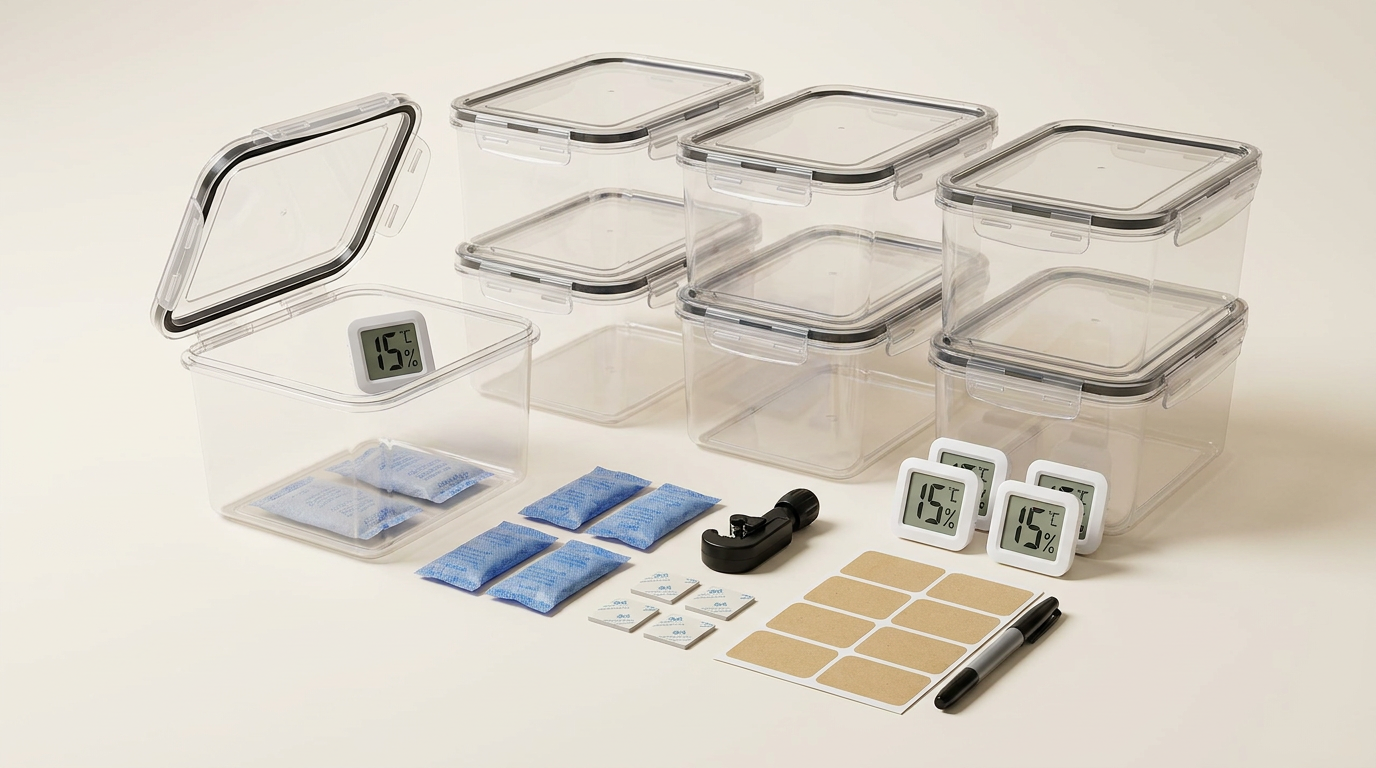
Fuitnerd Filament Storage Box: An Accessible Dry Storage Solution
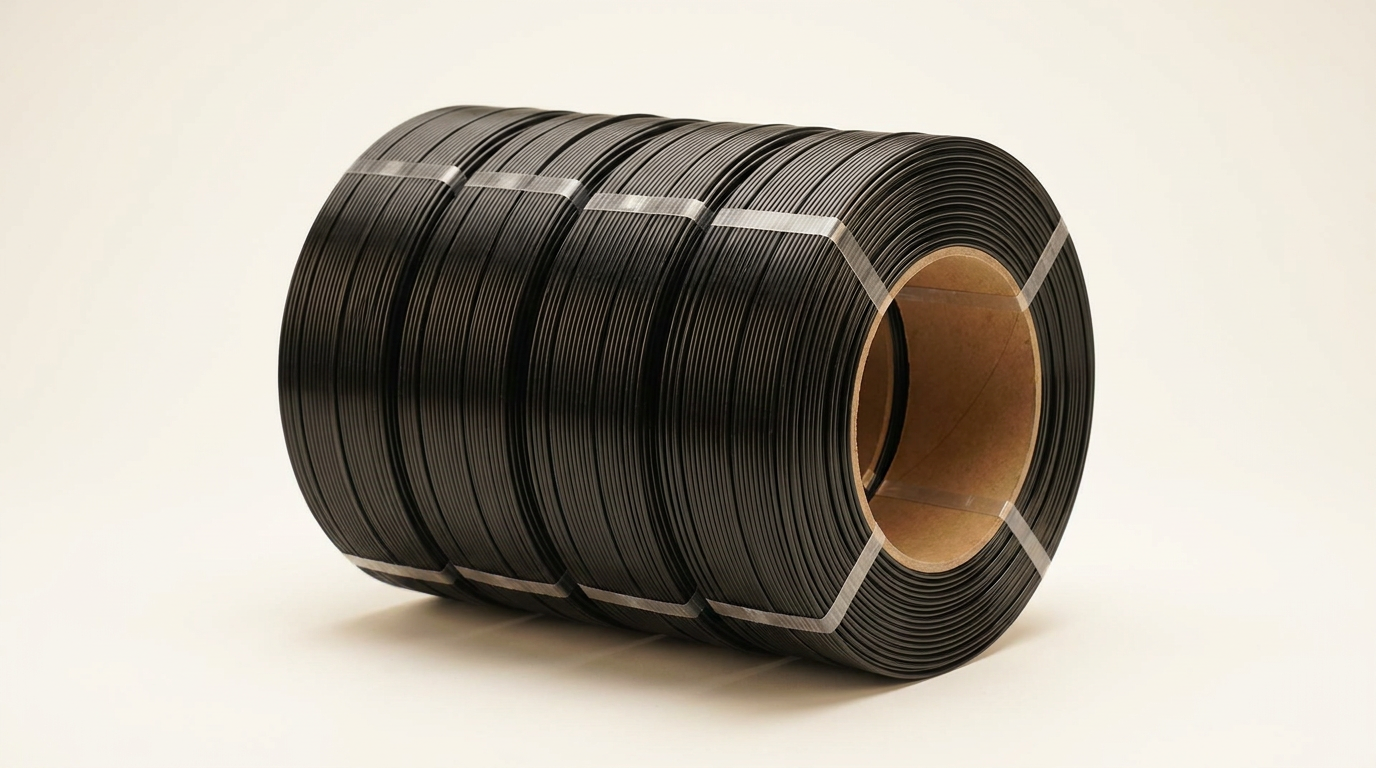
SUNLU PLA+2.0 Filament Refill: An Unspooled Advantage for 3D Printing
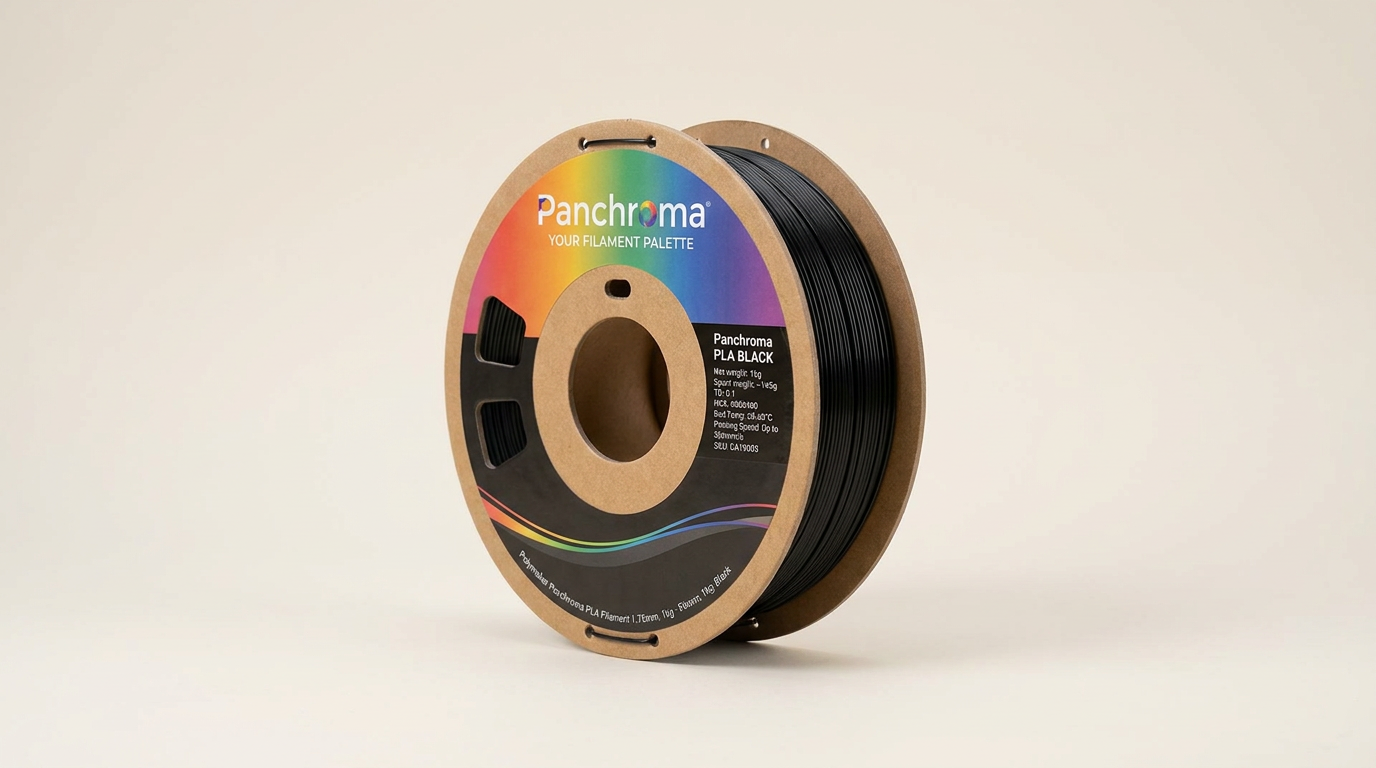
Polymaker Panchroma PLA Filament Review: Consistent Prints, Vivid Colors
This review is based on real experiences shared by owners in online communities.