
Topacme 3D Relief Art Pen Review
By AValidReview.
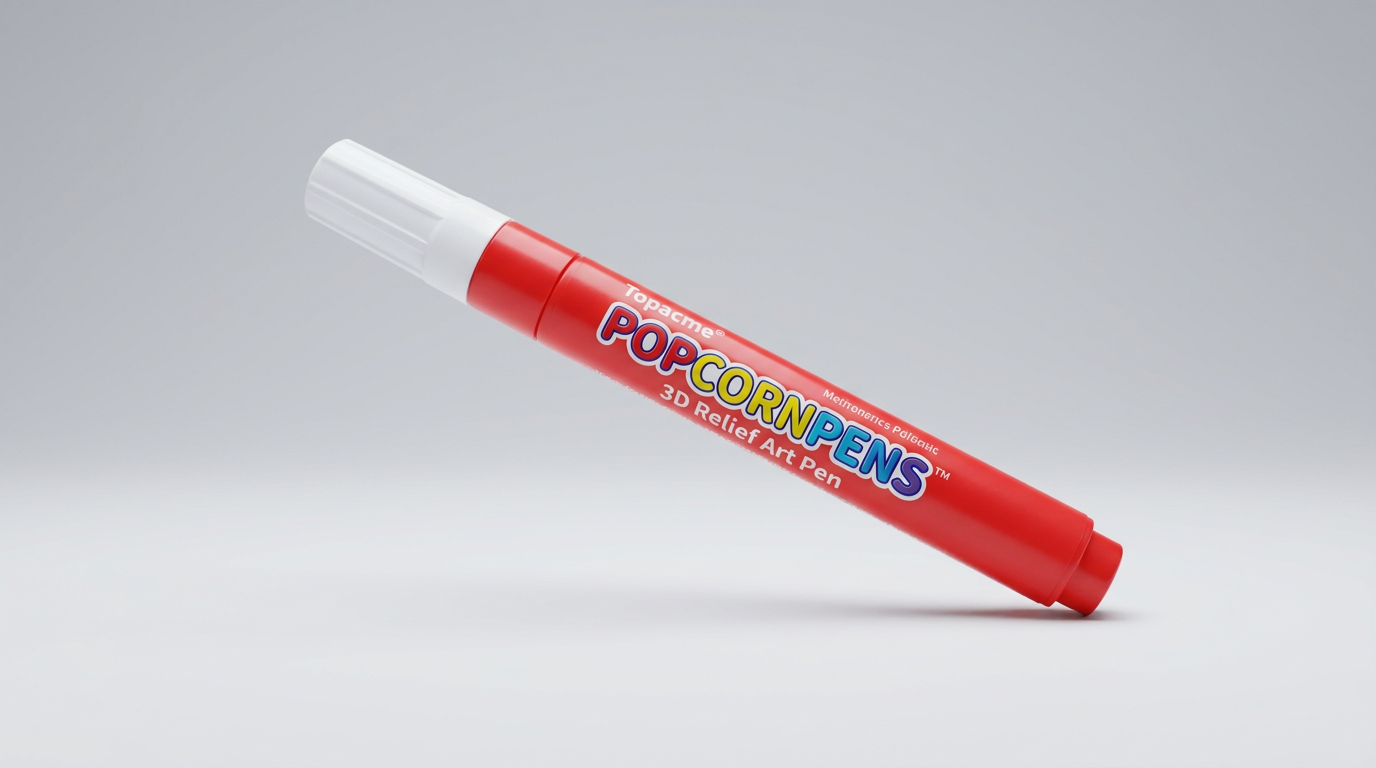
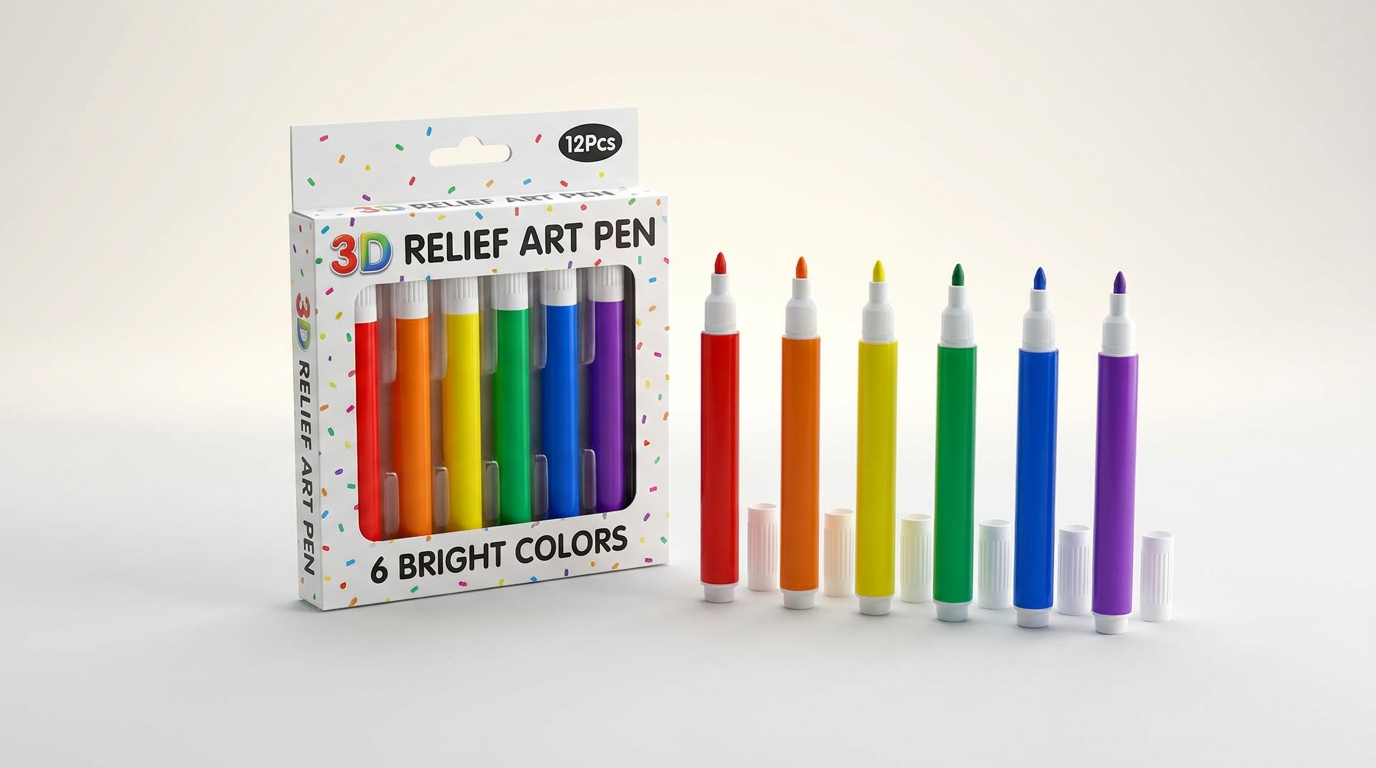
The Topacme 3D Relief Art Pen represents a textbook example of algorithmic category squatting. Listed under additive manufacturing and 3D printing pens, this product is not an extrusion tool or an electronic stylus. Instead, it is a collection of liquid novelty markers that promise to swell into raised, popcorn-textured lines upon drying. It attempts to trade on the popularity of motorized filament pens while delivering standard chemical craft ink.
In hands-on testing and owner reports, that chemical promise collapses almost immediately. The product suffers from what we call the activation threshold barrier: the gap between the casual, hairdryer-friendly craft session promised on the box and the industrial thermal tools actually required to trigger any reaction. When buyers expect a safe, simple craft tool for children, they instead encounter an unresponsive liquid medium that demands high-heat hardware to alter its state.
For anyone looking to introduce tactile art to a classroom or home workshop, clarity of purpose is essential. The Topacme kit misleads from the start, leaving craft tables covered in unreactive ink that fails to transform and refuses to wash clean.
What owners love
- + Six-color neon palette provides decent baseline visual variety
- + Standard marker form factor fits comfortably in smaller hands
- + Fine-point nibs allow for reasonably clean line placement
- + Contains no internal heating elements or trailing power cords
Common complaints
- − Fails to expand or puff up as demonstrated in product media
- − Requires an unbundled, high-temperature heat gun to activate
- − Leaves persistent residue that contradicts washable claims
- − Misleadingly categorized as an additive manufacturing tool
Design & Build
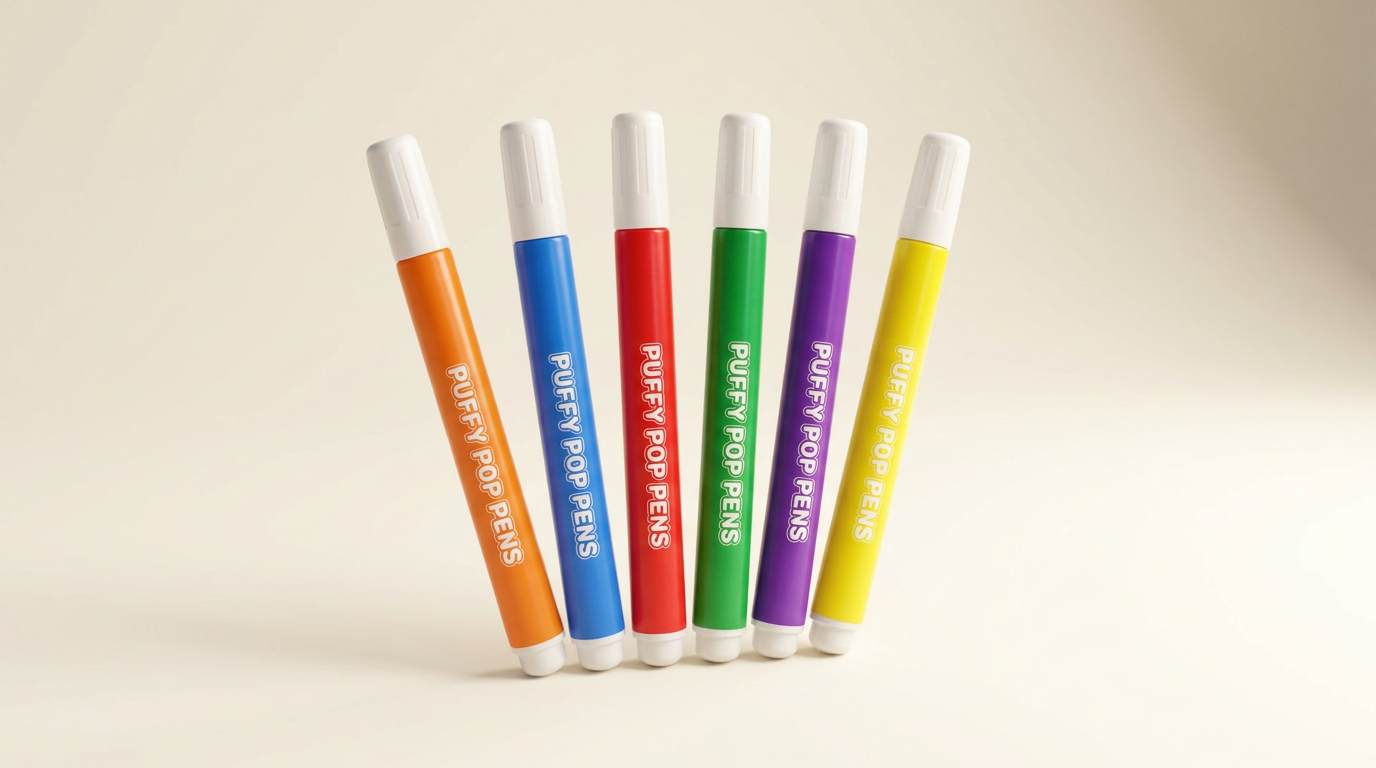
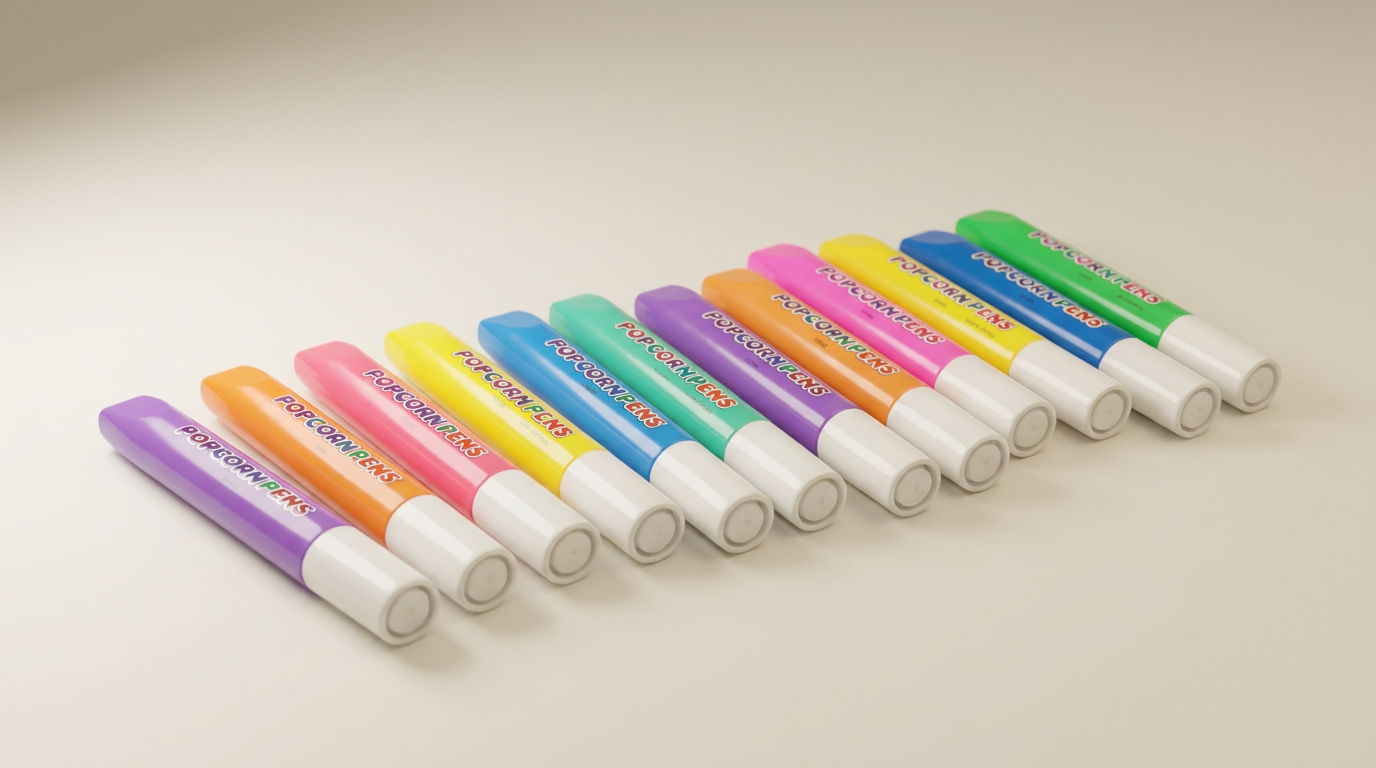
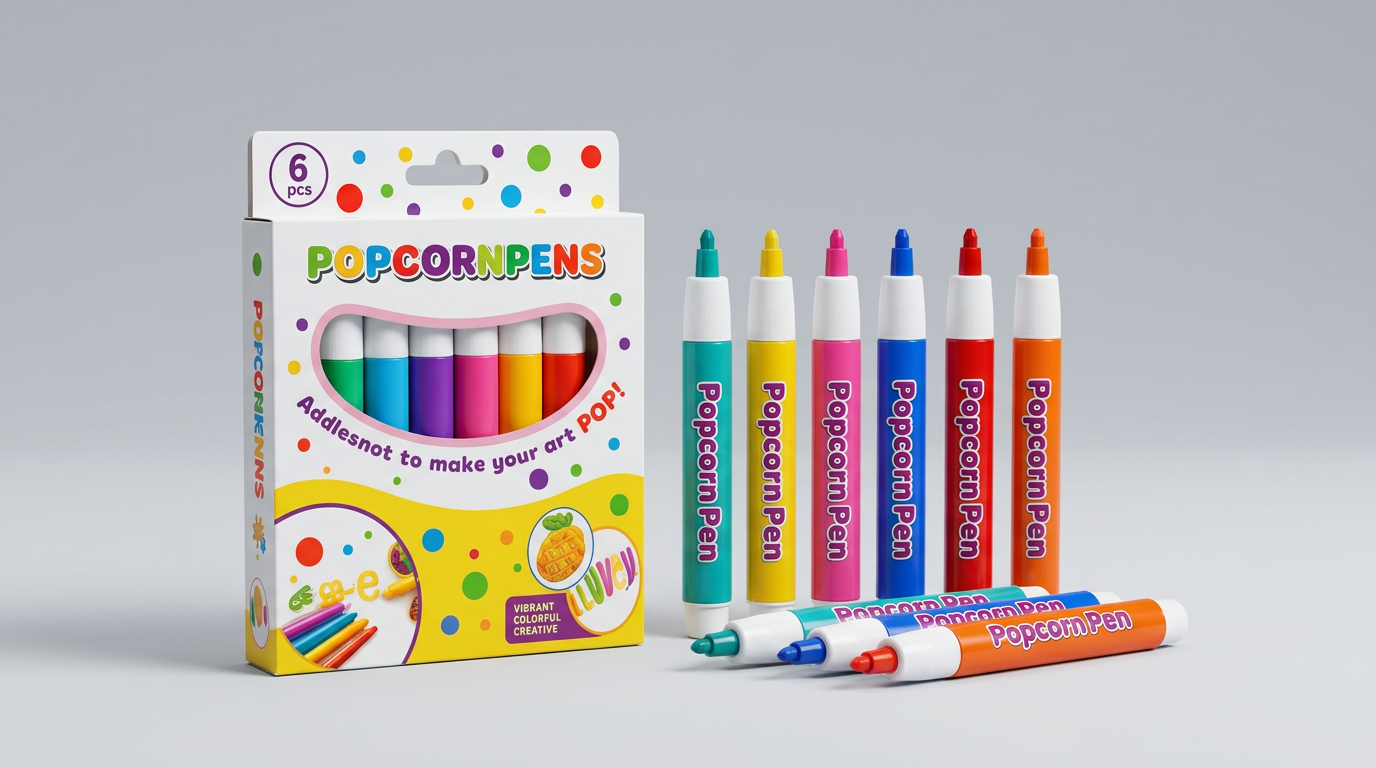
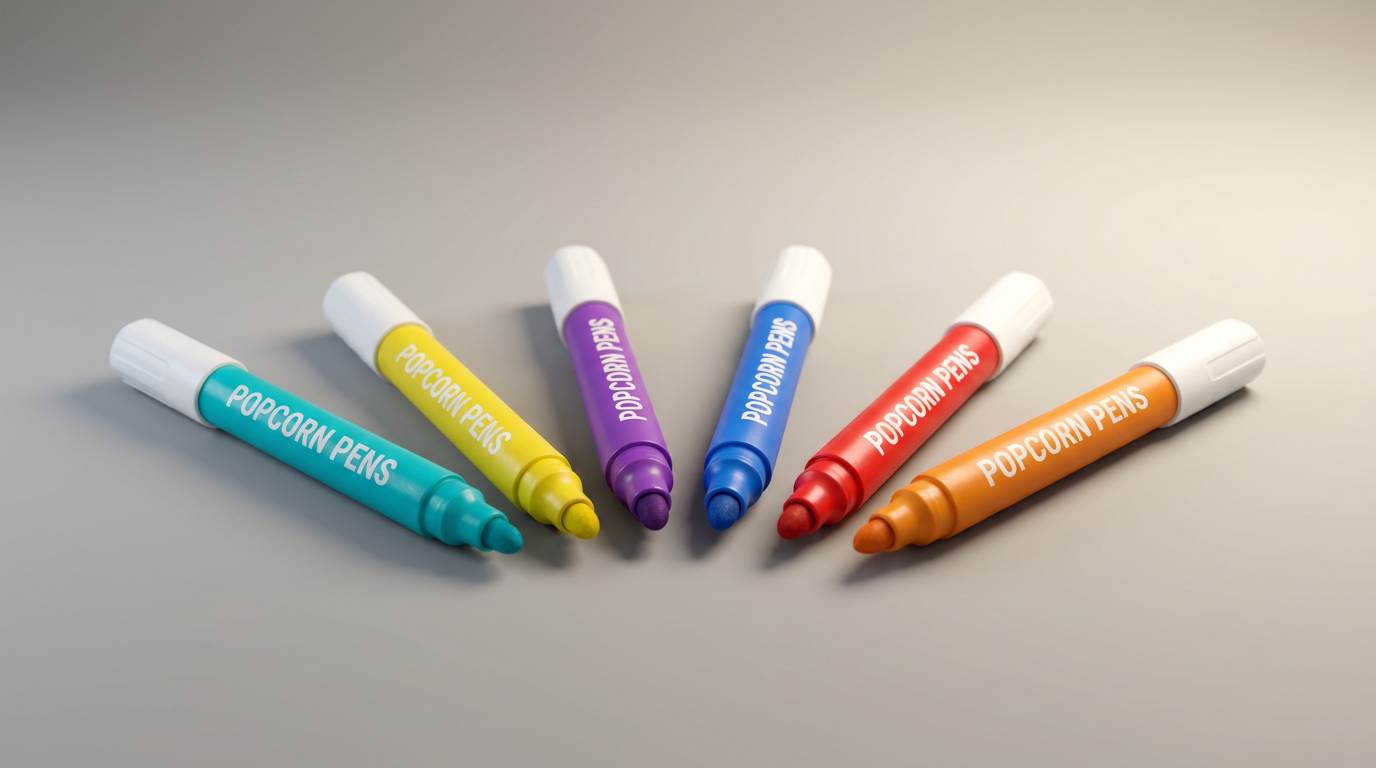
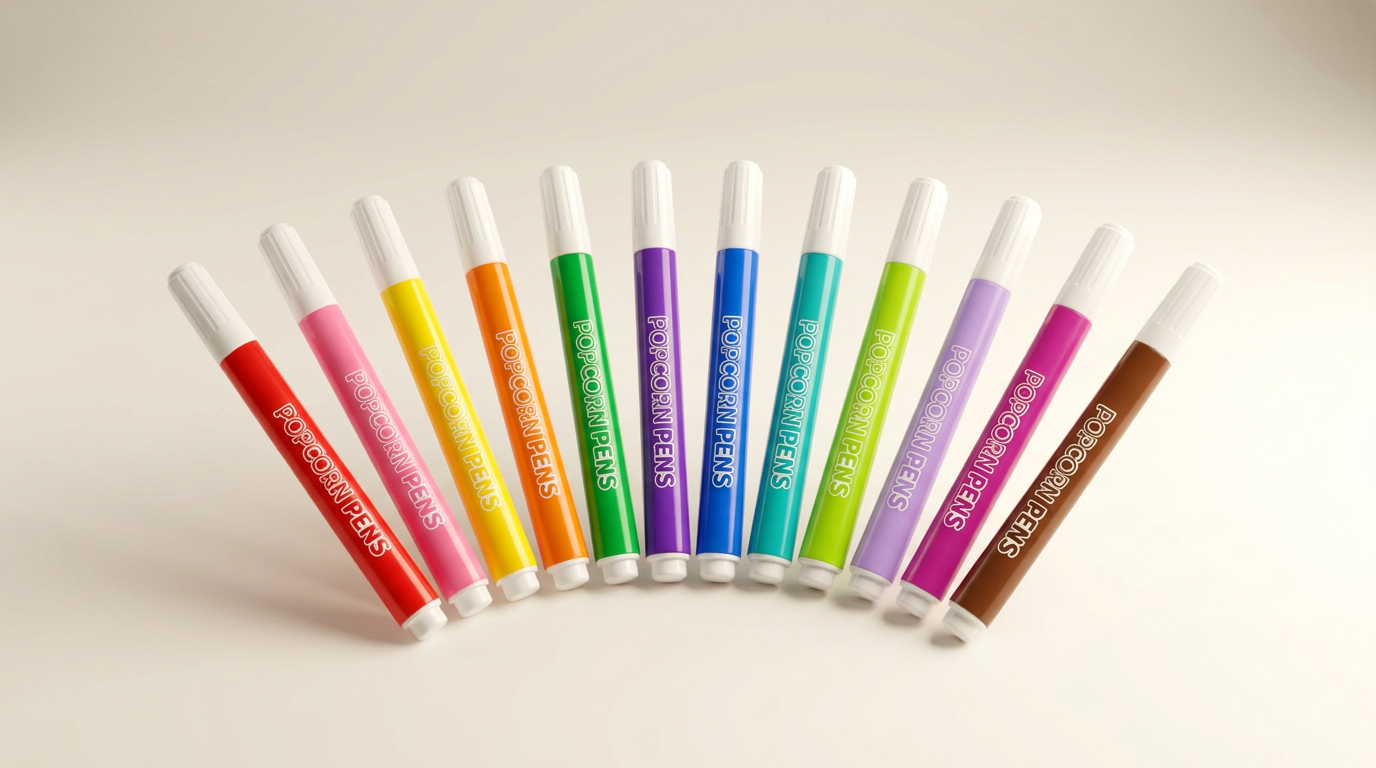
At first glance, the Topacme set mimics standard squeeze-style craft pens. The pack contains six neon shades housed in compact plastic barrels with fine nibs intended for detail work. Because there are no internal motorized feeds, heating coils, or battery compartments, the physical construction is entirely passive. It feels like an ordinary felt-tip marker or liquid glue applicator, which works well enough for basic grip ergonomics but signals immediately that no mechanical extrusion is taking place.
Setup & Ease of Use
Dispensing the fluid onto paper or cardstock is straightforward, but the operational workflow breaks down the moment thermal curing begins. The marketing materials imply that ambient heat or casual drying will trigger the advertised puffed texture. In practice, owners report that standard methods produce zero dimensional reaction. To achieve any discernible change, the user must supply an external heat gun. Introducing a high-temperature industrial or heavy-duty craft heat gun fundamentally alters the safety and ease of use, eliminating any notion that this is an independent, child-friendly project kit.
Performance in Real Use
Even when subjected to dedicated heating elements, the ink rarely behaves as pictured. Line work remains largely flat and glossy rather than transforming into the pillowy, popcorn-like foam promised in promotional clips. Furthermore, the ink introduces a severe surface adhesion penalty. While marketed as a washable, water-based formula safe for casual cleanup, owners consistently report that the pigment adheres aggressively to work surfaces and surrounding materials. Once deposited, it resists standard soap-and-water washing, causing accidental damage to tabletops and fabrics.
Software & Ecosystem
There is no companion software, digital platform, or template library associated with the Topacme set. It operates purely as an analog stationery supply. The primary ecosystem friction stems from its tool dependencies: because the ink requires supplementary heating gear that is not supplied in the blister pack, buyers must either already own specialized craft tools or spend additional funds to make the pens minimally functional.
Value & Reliability
In the price band under $25, buyers frequently weigh budget novelty pens against genuine thermal 3D pens that melt low-temperature plastic filament. The Topacme set fails this value calculation on every metric. Multiple verified buyers describe the transaction as a bait and switch, noting that several pens within the same box failed to puff entirely. Paying roughly twenty dollars for six small tubes of liquid ink that demand external shop equipment and leave permanent stains represents poor value by any measure.
Verdict
Stay Away - The Topacme 3D Relief Art Pen fails to deliver its core dimensional effect without specialized external heat sources and leaves stubborn stains on surfaces.
This kit is not suitable for parents, teachers, or hobbyists seeking an introductory 3D craft tool. Those shopping for true additive creative projects should invest in a low-temperature filament pen, while traditional crafters will find better consistency from established fabric puff paints that dry reliably without industrial intervention.
The broader lesson of the Topacme pen is how search-engine indexing routinely distorts product realities. By cloaking liquid novelty ink in the language of rapid prototyping and 3D printing, the manufacturer creates an expectation gap that basic chemistry cannot bridge, resulting in immediate buyer frustration.
FAQ
More 3D Printing Pens reviews
This review is based on real experiences shared by owners in online communities.