
Popcorn Pens 3D Bubble Drawing Pens Review
By AValidReview. An AI-assisted summary of customer feedback, not a hands-on test.
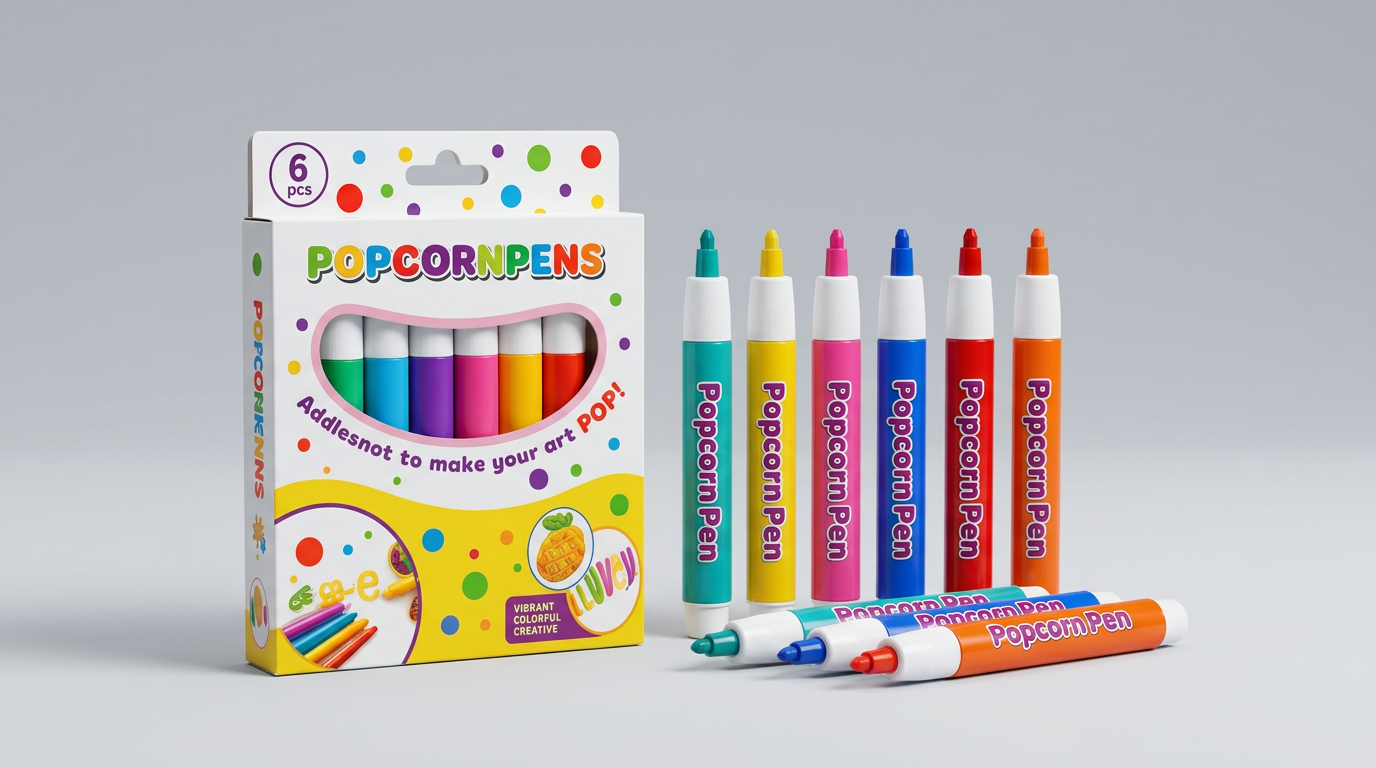
The market for novelty craft markers often relies on sensory transformation to stand out, and these generic Popcorn Pens attempt to bridge standard illustration with physical, tactile relief. Positioned ambiguously between basic stationery and additive crafting tools, the pens promise to puff up flat linework into popcorn-like textures upon command. What most buyers miss before opening the package is the marker displacement gap: while shaped like everyday felt-tip markers, their contents behave like thick, slow-curing liquid emulsion.
This distinction alters the entire workflow. Instead of providing the immediate gratification of standard ink, these pens demand patience, manual heat application, and careful mess management. For parents and grandparents seeking a quick, self-contained activity for young children, that operational shift introduces friction.
When evaluated strictly on their chemical promise, the pens can produce a distinct raised bubble texture that captivates children. However, bridging the gap between wet pigment on paper and an expanded 3D craft requires managing an appliance-dependent process that divides buyers right down the middle.
What owners love
- + Engaging raised 3D texture once properly activated
- + High novelty appeal for supervised craft sessions with children
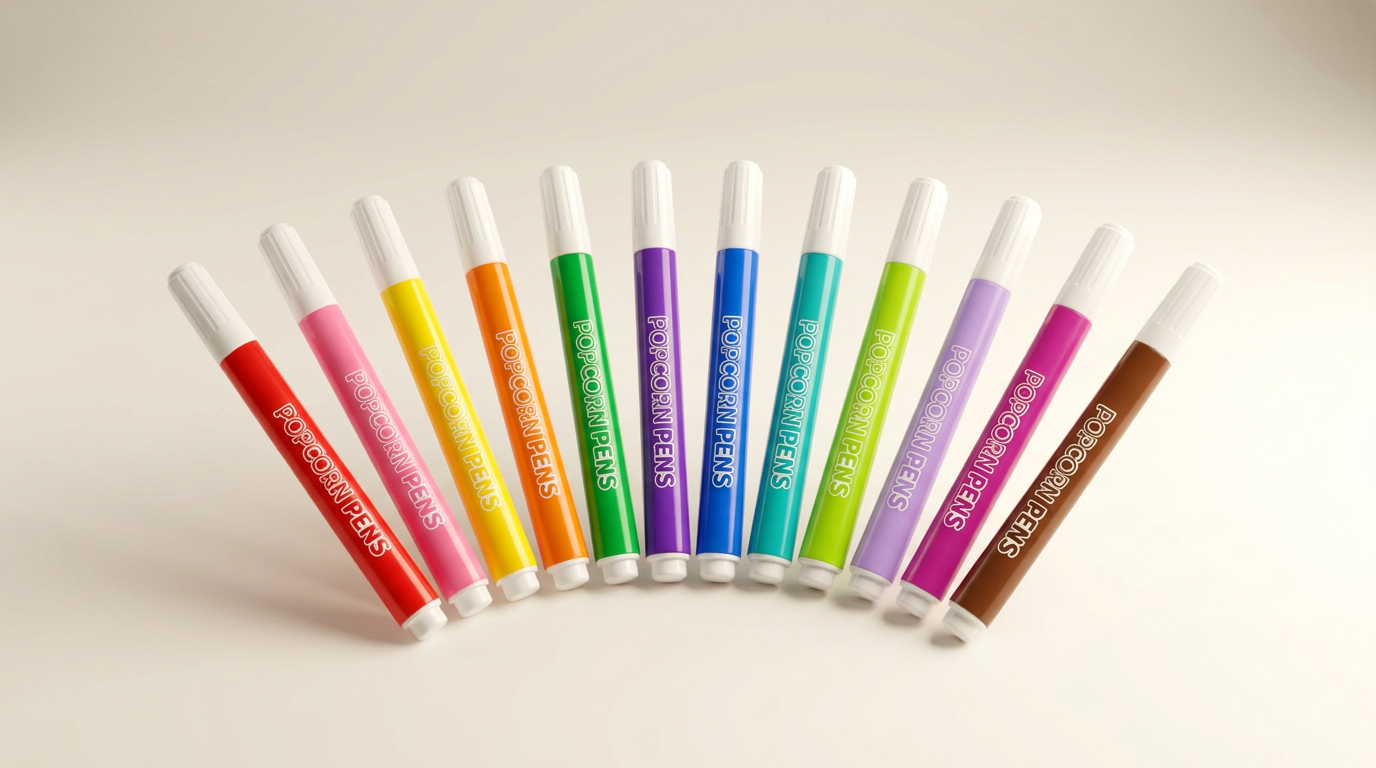
- + Generous multi-color selection for card making and scrapbooking
- + Provides a tactile alternative to standard flat markers
Common complaints
- − Demands a secondary heat source like a hair dryer to achieve the 3D effect
- − Prone to messy application with slow natural dry times
- − Unsuitable for independent use by young children
- − Misleading form factor leads buyers to expect conventional marker behavior
Design & Build
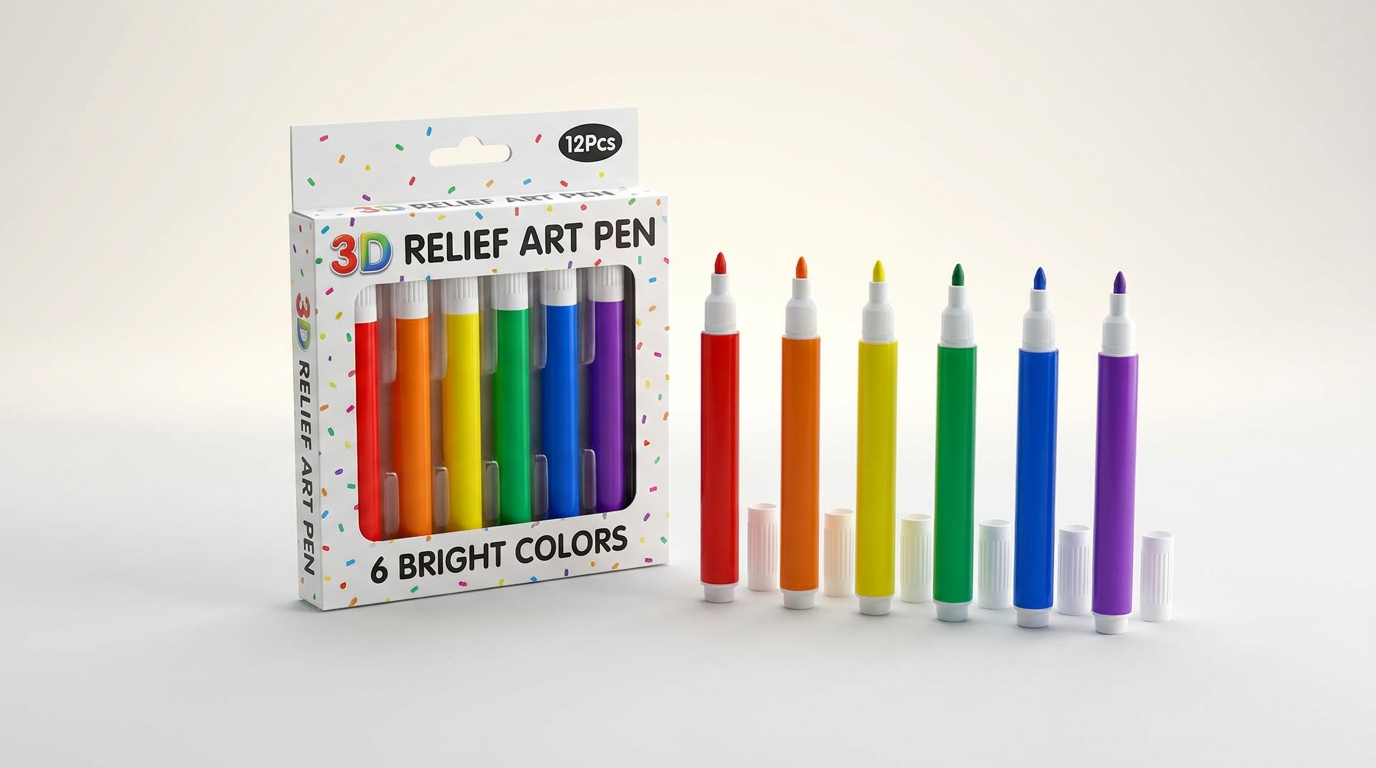
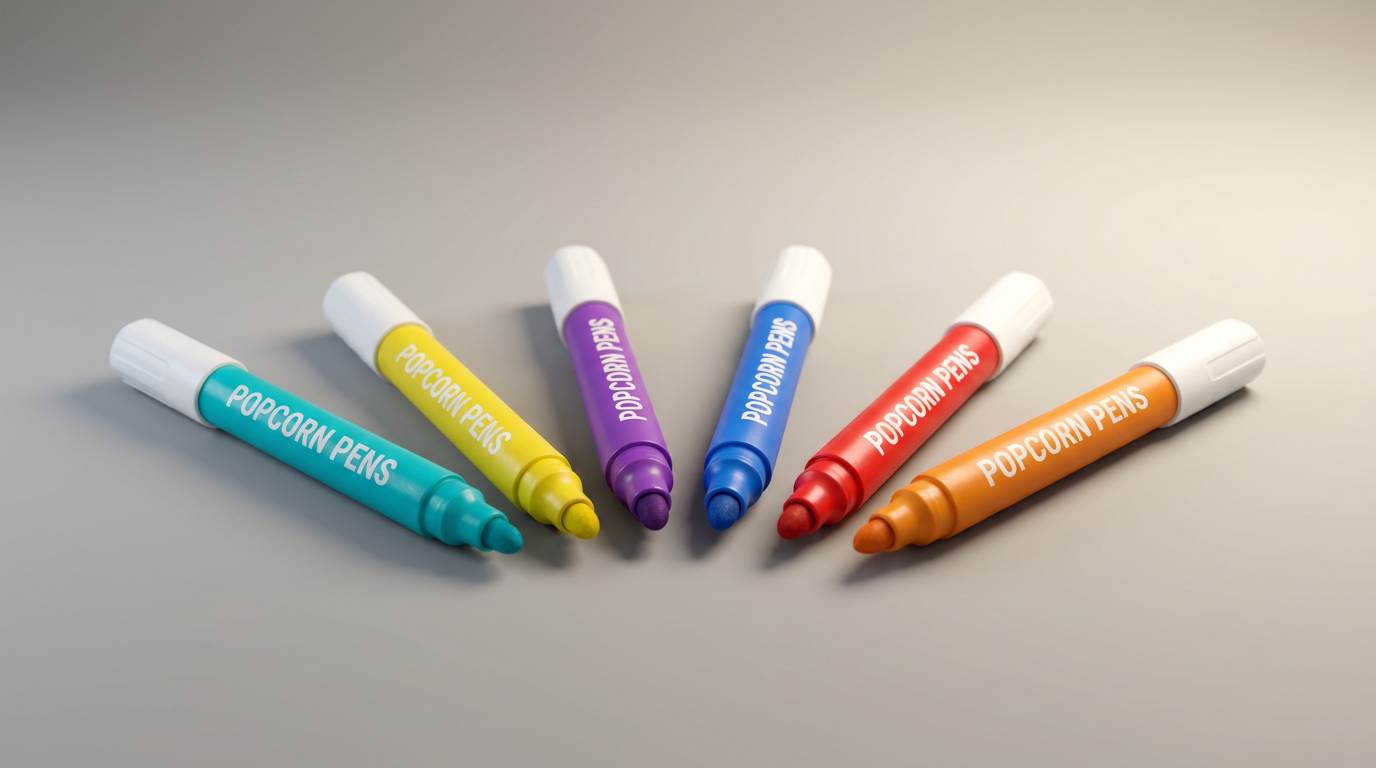
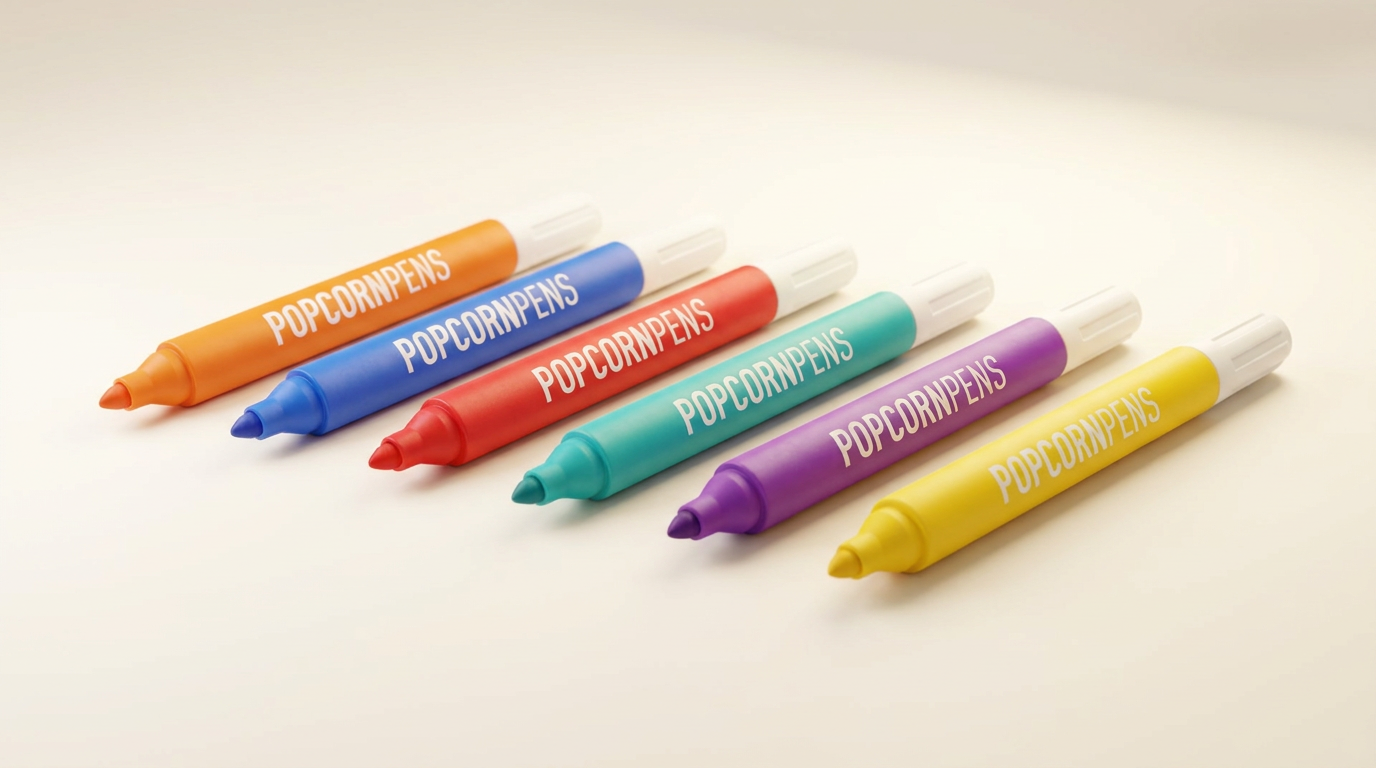
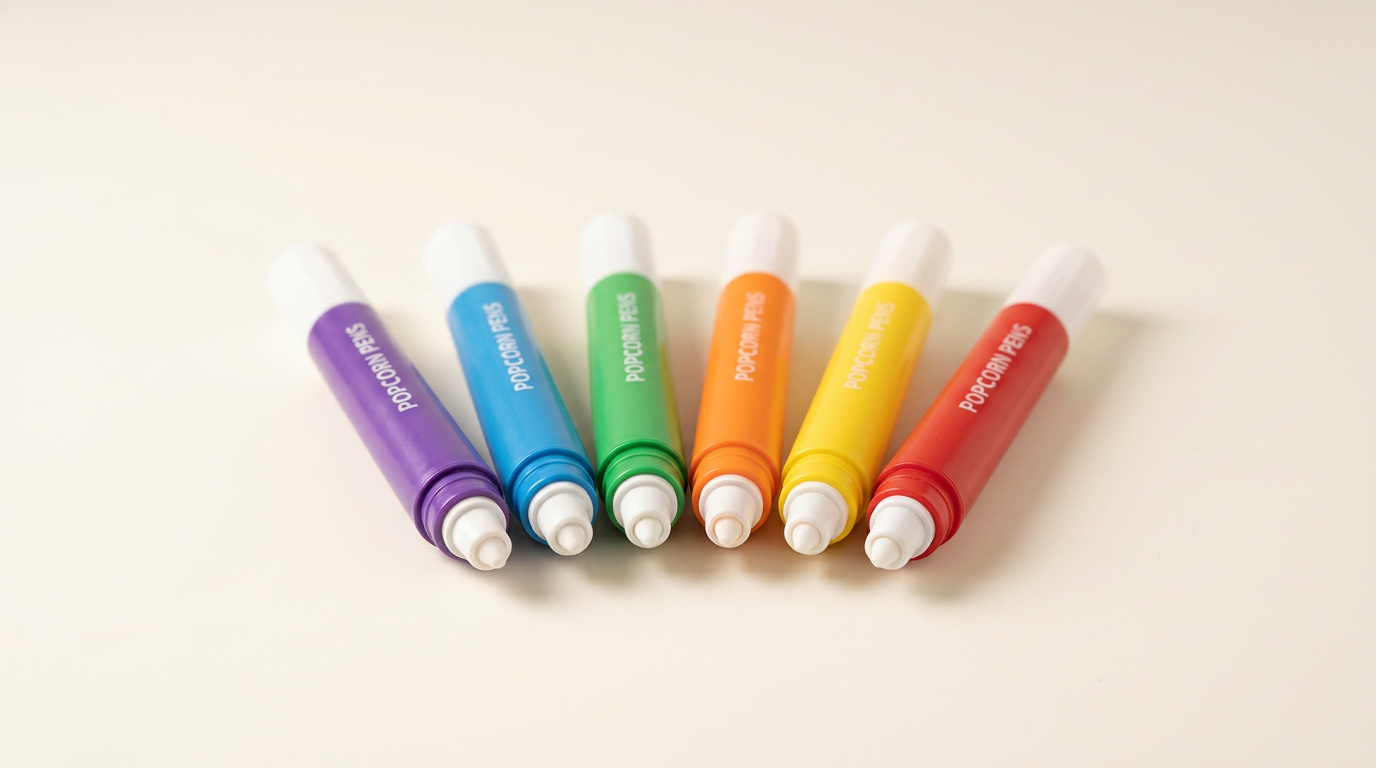
Externally, these pens mimic standard plastic craft markers, sporting clip-on caps and tapered bodies meant for small hands. Inside, however, they abandon typical fibrous ink reservoirs in favor of a viscous, heat-reactive liquid compound. The fine writing tip is intended to meter flow, but because the formula is dense, consistent line weight requires steady hand pressure. Users expecting the friction and clean stop of a felt tip will find the dispensing experience closer to squeezing miniature tubes of liquid craft glue. The construction is entirely generic, prioritizing low unit cost over durable seal integrity.
Setup & Ease of Use
The operational reality of these pens introduces what can best be termed the thermal activation tax. You cannot simply uncap these pens, hand them to a child, and walk away. To turn the wet ink into the advertised popcorn texture, the artwork must be treated with a sustained stream of hot air from a standard household blow dryer. Furthermore, when laid down heavily, the liquid takes an exceptionally long time to settle, creating prime conditions for smearing across tables, hands, and paper edges. For users expecting an effortless, marker-style session, this multi-step curing process introduces unwelcome complexity and continuous adult intervention.
Performance in Real Use
When used within their narrow operating parameters, the pens work as advertised. Subjecting the applied lines to direct heat causes the compound to bubble, expand, and solidify into a rough, foam-like relief. Grandparents who oversee the blow-drying step report that children find the sudden physical transformation genuinely exciting. The trade-off is output precision. Heat causes the lines to expand outward as well as upward, which obliterates fine details, text, and tight linework. The pens excel at broad decorative accents, simple shapes, and borders on handmade greeting cards, but they fail entirely if treated as instruments for detailed technical drawing.
Software & Ecosystem
While listed under additive manufacturing categories online, these pens operate entirely within the traditional analog craft ecosystem. Their performance depends heavily on substrate selection. Standard thin copy paper buckles almost immediately under the combined weight of the wet emulsion and the heat output of a blow dryer. Heavyweight cardstock, watercolor paper, and porous cardboard are functionally mandatory to withstand the moisture and thermal cycling without tearing or warping. Buyers must also accept that this tool requires an electrical appliance nearby, tethering a craft normally suited for the dining table to a wall outlet.
Value & Reliability
Priced in the budget range under $15, the financial stakes are low, but the utility calculation is fragile. If you evaluate these strictly as drawing tools, the value proposition collapses due to the cleanup burden, slow drying intervals, and temperamental flow. If you treat them as an occasional, supervised science-meets-art activity, the modest entry price justifies the novelty. Reliability concerns largely center on fluid shelf life: like most cheap emulsion-based pens, poor cap seals can cause the tips to seize up between uses, meaning their functional lifespan is often limited to a few concentrated project sessions.
Verdict
Hold Off - These pens deliver engaging dimensional effects only if you are willing to manage liquid paint messes and tether your craft session to a hair dryer.
This product is passable exclusively for craft leaders, parents, or grandparents who plan to directly supervise a card-making session and handle the post-drawing heat application themselves. If your goal is an interactive, tactile project where the adult runs the blow dryer, children will likely enjoy the visual payoff.
Skip this set entirely if you are shopping for self-directed art supplies, mess-free travel activities, or traditional markers for independent play. The slow drying times, runny application, and mandatory appliance use will quickly frustrate younger kids and leave adults scrubbing work surfaces.
What manufacturers frame as an intuitive 3D pen is ultimately just bottled puffy fabric paint poured into a marker chassis. Stripping away the marketing reveals an appliance-dependent craft compound that punishes casual use while rewarding only the most patient, hands-on workshop setups.
FAQ
More 3D Printing Pens reviews
This review is based on real experiences shared by owners in online communities.