
Omexry Popcorn Pens Review: Messy Chemistry
By AValidReview.
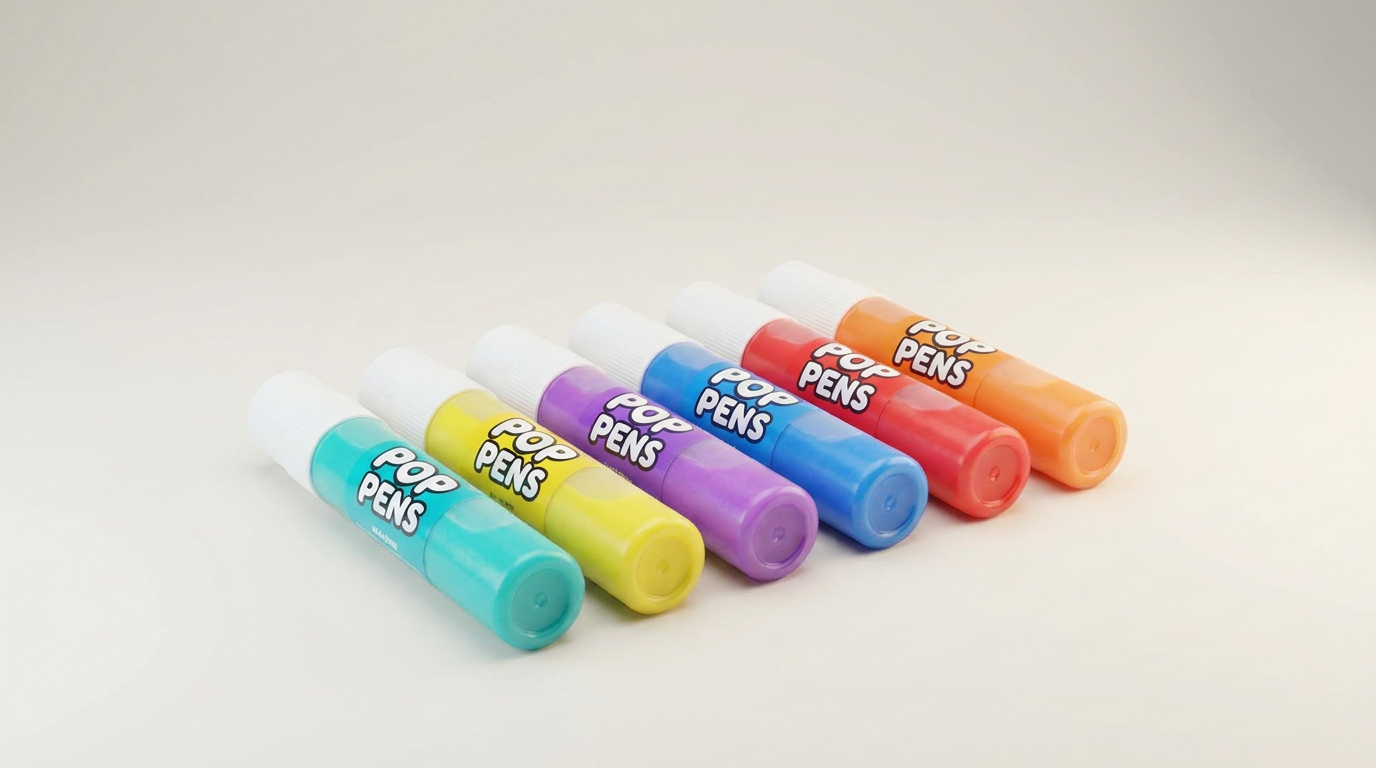
The craft market frequently blurs the line between functional tool and novelty toy, and the Omexry Popcorn Pens sit squarely in that volatile grey area. Marketed under additive manufacturing and 3D pen categories, these squeeze tubes promise raised, tactile artwork activated by heat. In practice, calling these tools 3D printing equipment is an aggressive stretch of taxonomy. They are liquid-chemical craft pens that rely on thermal expansion, demanding external tools that many casual buyers do not expect to provide.
What most consumers miss during checkout is the unstated thermal tax. Creating the advertised puffy finish requires sustained, high-temperature heat application, transforming what looks like a straightforward kid-friendly coloring kit into an involved workshop project. When products skip basic packaging safeguards and omit clear user documentation, the gap between the promised craft experience and the reality on the ground widens rapidly.
Early buyer feedback outlines a polarized experience. While some hobbyists achieve the intended textured bubble effect on bespoke greeting cards, others face structural failures before laying down a single line of color. The result is a high-variance product that demands careful handling, specialized external heating tools, and low expectations.
What owners love
- + Delivers distinct raised bubble texture when properly heated
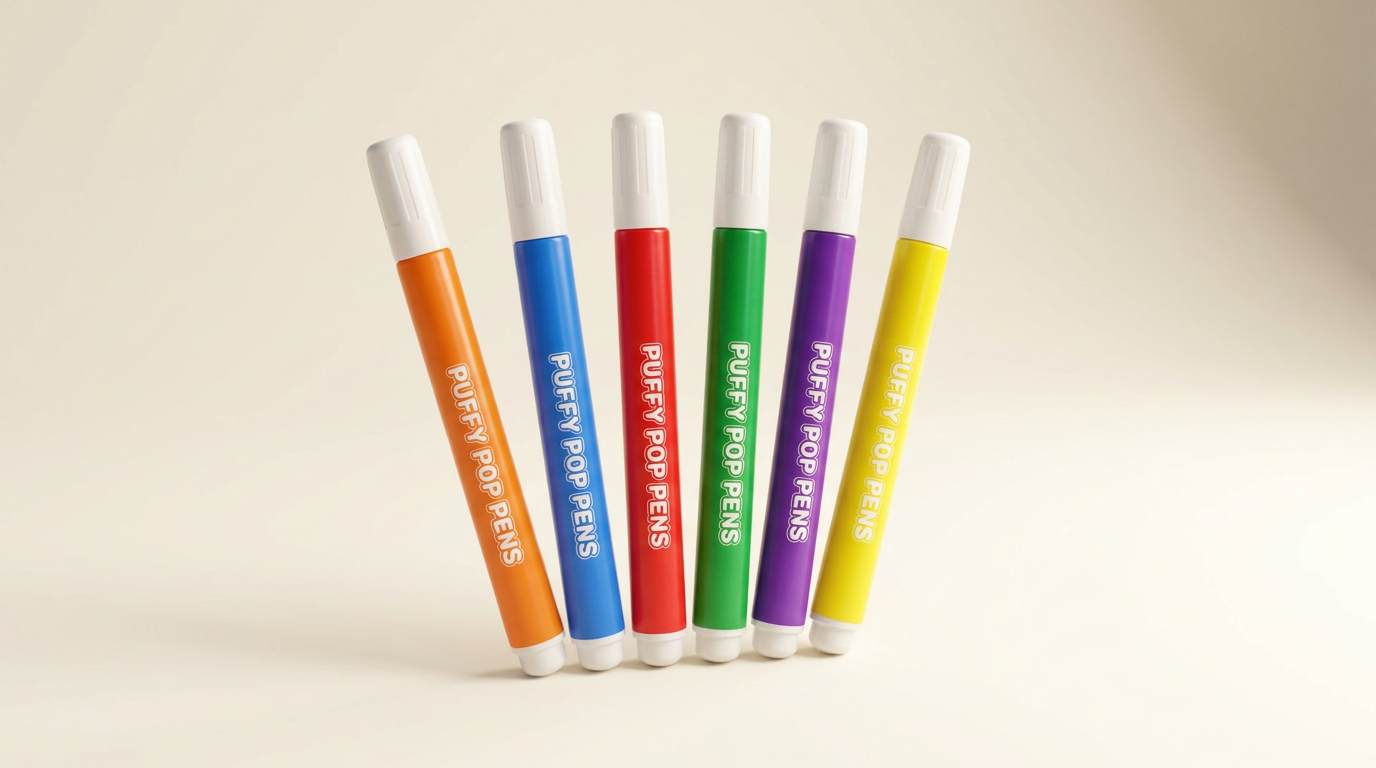
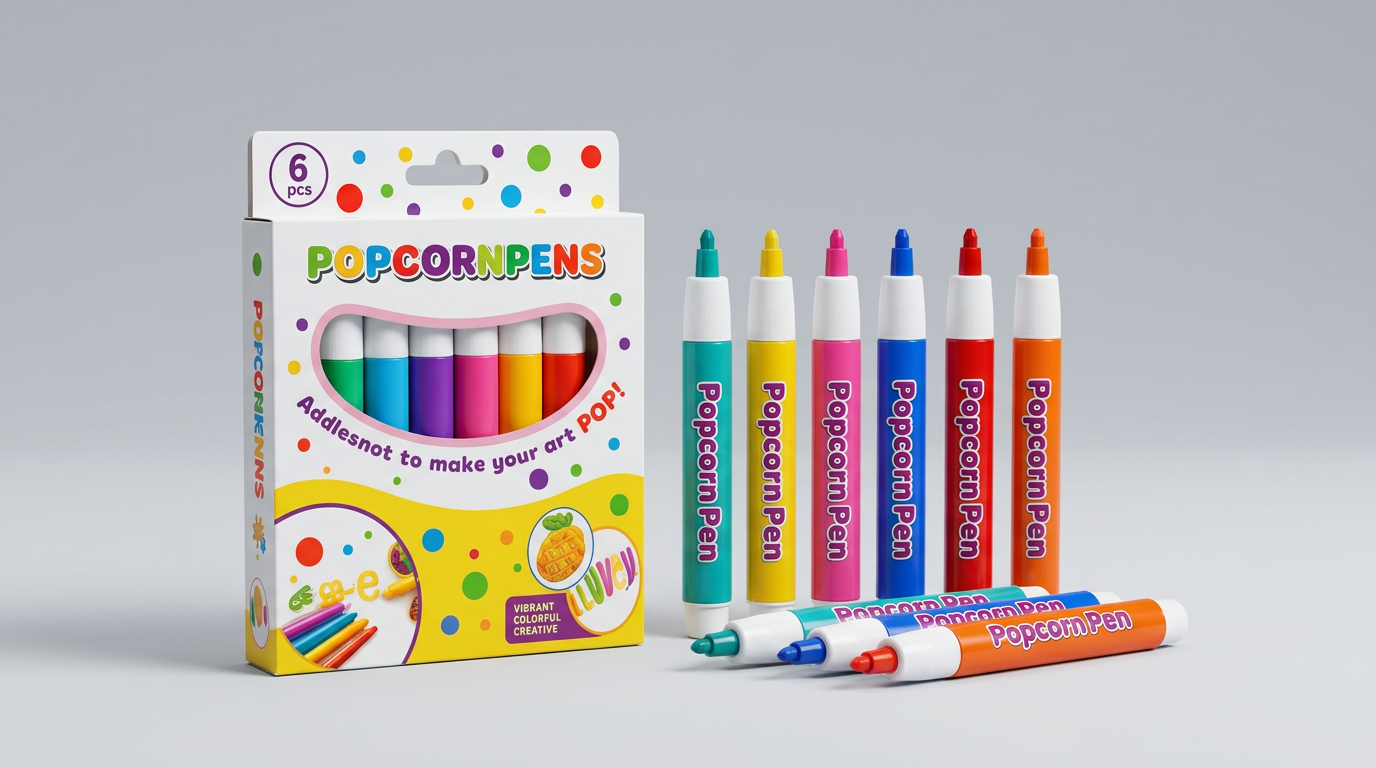
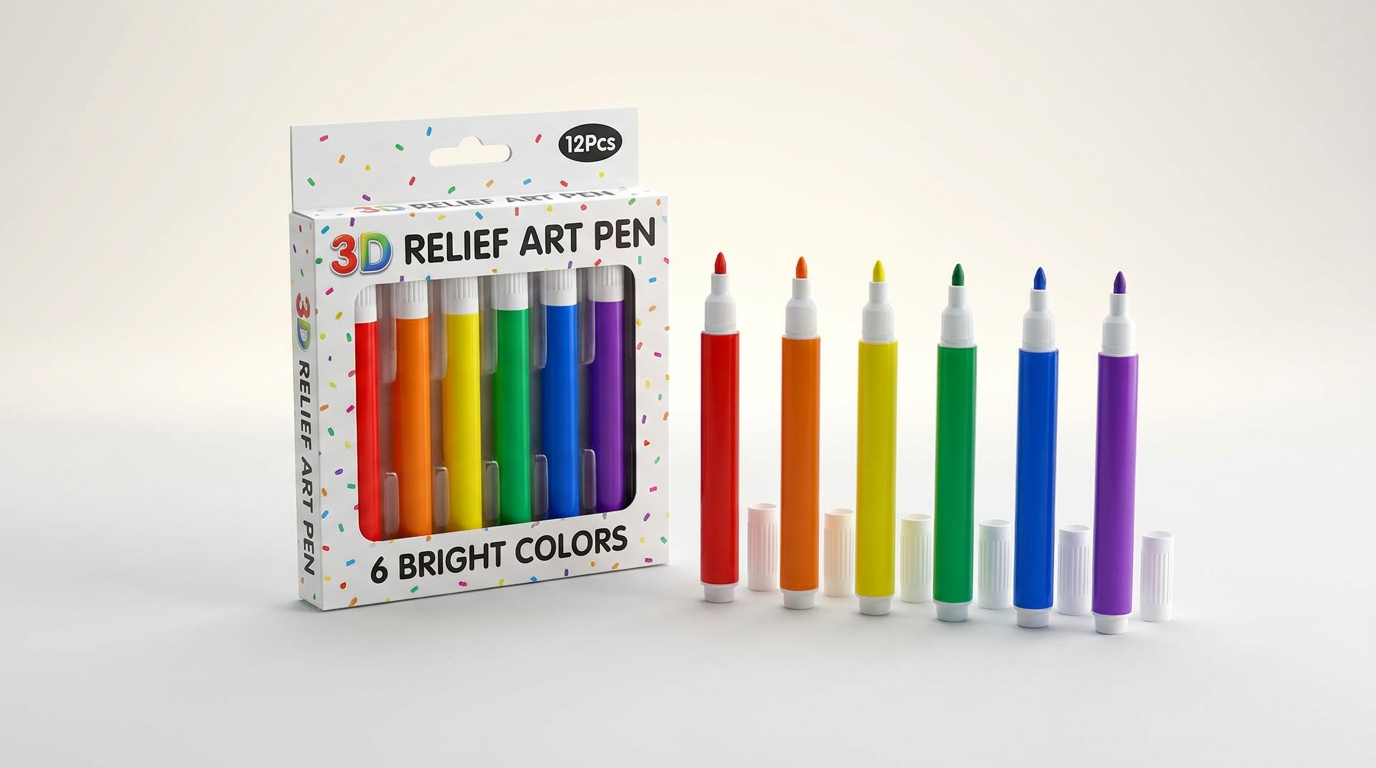
- + Comes in six different color options per pack
- + Fluid ink creates tactile novelty on flat cardstock
- + Inexpensive entry into textured mixed-media craft projects
Common complaints
- − Prone to tube rupture and explosive paint spills under pressure
- − Completely lacks printed instructions or unsealing guidelines
- − Requires separate purchase of a heat gun or high-heat dryer
- − Fast-drying ink creates permanent stains on walls and home surfaces
Design & Build
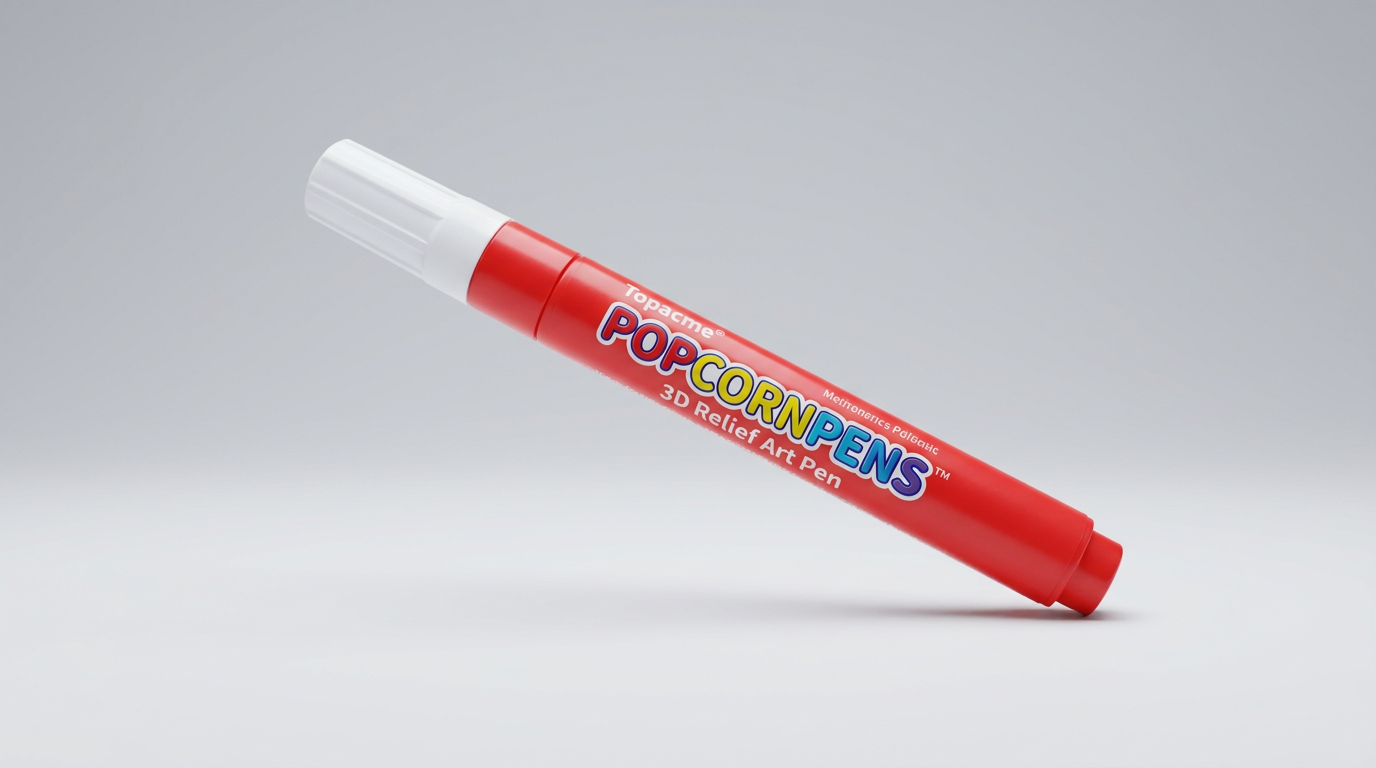
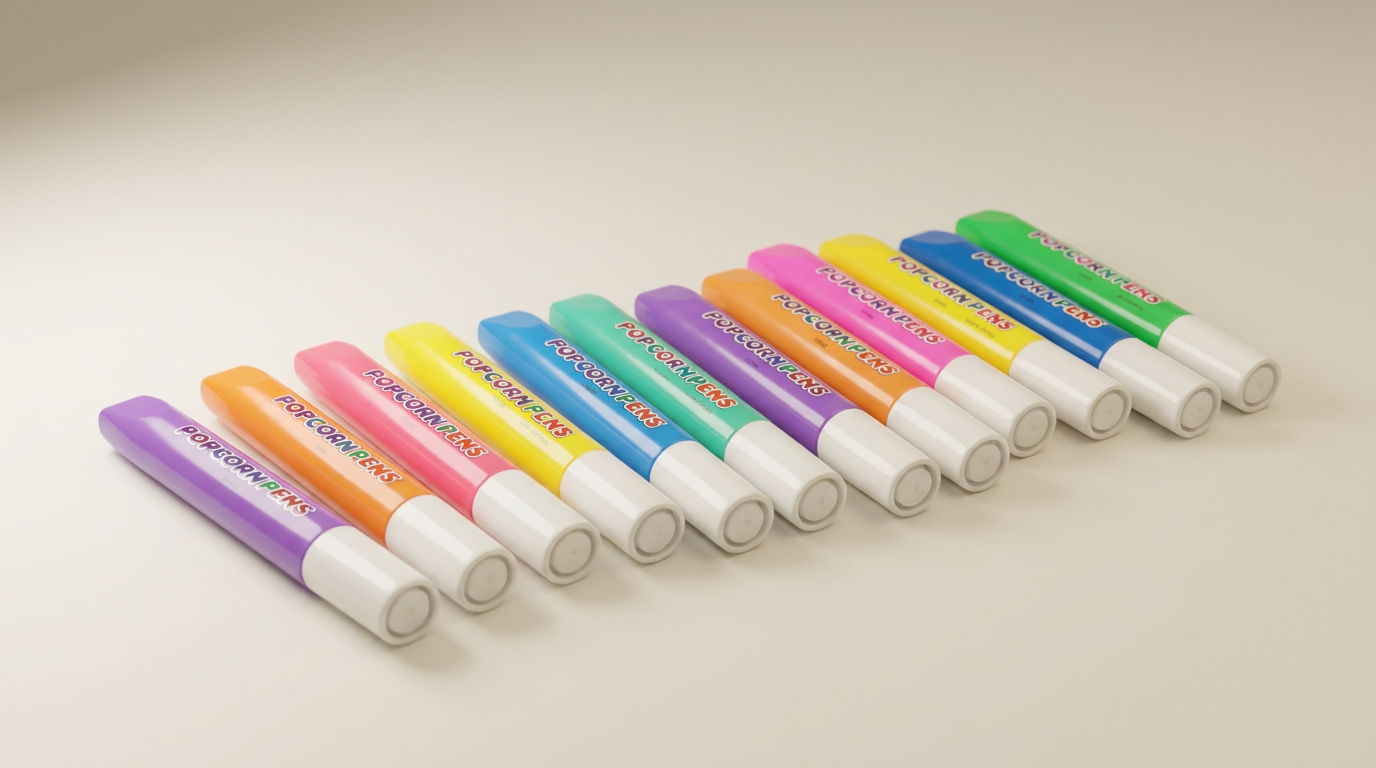
The Omexry Popcorn Pens employ standard soft-squeeze plastic barrels designed to dispense a thick, thermally reactive emulsion. On paper, the sealed pen bodies are meant to prevent fluid ink from drying out before application. In reality, the construction reveals a severe pressure-tolerance bottleneck. When a user encounters an obstructed or improperly pierced dispensing tip, the force applied to the tube body quickly exceeds the tensile limits of the casing or nozzle fitting. Rather than venting controlled beads of medium, the pens can catastrophically burst at the seams. For an art supply intended for home and family spaces, the structural integrity of the reservoir leaves zero room for error, turning minor application pressure into an accidental projectile hazard.
Setup & Ease of Use
Out-of-box usability is practically non-existent due to an absolute absence of printed guidance. Buyers receive no documentation explaining whether the tip requires trimming, piercing, or unsealing prior to the first squeeze. This setup void creates an immediate failure mode: users push harder to clear an apparent internal blockage, triggering immediate failure. Furthermore, the product listing casually glosses over the precise thermal requirements for activation. Producing the bubble reaction requires a continuous blast from a dedicated heat gun or a very hot hair dryer held close for minutes at a time. Expecting consumers to guess nozzle prep while withholding equipment dependencies represents a fundamental onboarding breakdown.
Performance in Real Use
When ink successfully reaches the surface, it behaves much like heavy decorative dimensional paint. Applying deliberate lines on cardstock yields clean borders initially. The transformation happens during heat application, where blowing hot air causes the medium to bubble and rise into a popcorn-like texture. For patient crafters equipped with proper industrial tools, the visual payoff matches the description. However, real-world deployment carries an alarming downside risk. When accidental spills occur, the fast-drying, highly pigmented emulsion bonds aggressively to drywall, flooring, and ceilings. Owners note that the compound cures so rapidly that standard household cleaners cannot lift it, requiring physical scraping and complete surface repainting.
Software & Ecosystem
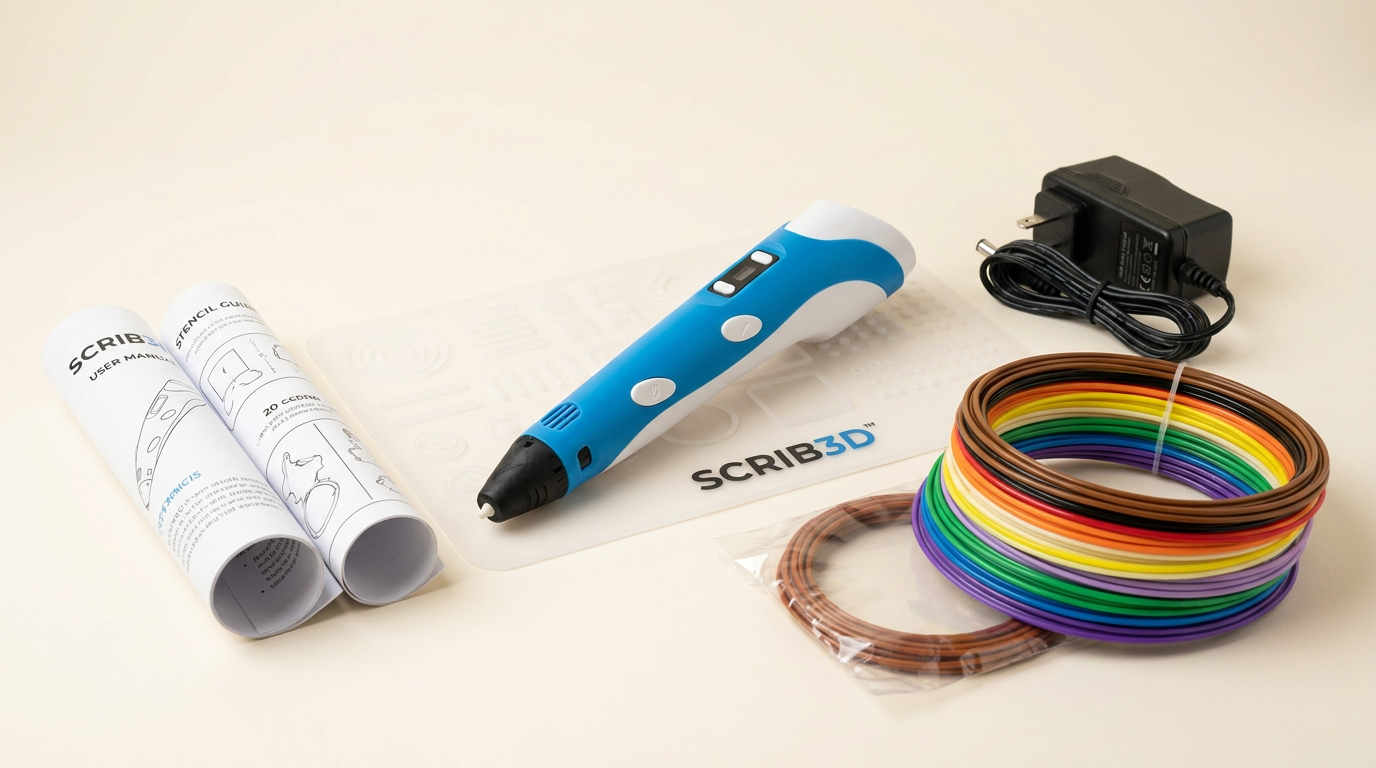
Unlike true additive manufacturing pens that rely on internal heating elements, temperature presets, and motorized extruders, the Omexry kit operates without any integrated electronic ecosystem. It belongs to the manual chemistry subset of craft pens. The critical operational trade-off is the offloading of heat generation entirely onto the user. You are not purchasing a self-contained creative system; you are buying reactive ink cartridges that necessitate an external heat source. Because hair dryers often lack the concentrated directional heat needed to activate the formula without blowing light paper off the work table, the true ecosystem requirement is an industrial craft heat tool, which costs more than the pen kit itself.
Value & Reliability
Priced in the budget range under $20 for an 18-pen multi-set across three bundles, the Omexry kit offers an appealing cost per unit on the surface. Yet the underlying value calculation flips immediately when factored against property risk and mandatory accessory costs. If a crafter must purchase a separate heat gun to achieve the advertised effect, the operational cost triples. If an unvented pen ruptures across interior house paint, remediation costs dwarf the purchase price entirely. The product embodies extreme reliability variance: it is either an amusing craft day success or an expensive home repair incident, with virtually no middle ground.
Verdict
Stay Away - High rupture risk, zero instructions, and mandatory external tools make this kit far more trouble than it is worth.
This kit might appeal strictly to seasoned mixed-media hobbyists who already own an embossing heat tool, understand how to safely probe unyielding plastic tips with a pin, and work exclusively inside dedicated studio environments lined with drop cloths. Anyone looking for a casual weekend craft for children or an easy afternoon greeting-card activity should skip this set completely.
The Omexry kit highlights an ongoing issue in low-cost craft manufacturing: offloading critical process control onto an unprepared buyer. By stripping out safety seals, omission of heating guidelines, and physical instructions to minimize production costs, the manufacturer transfers all operational risk directly to your living room walls.
FAQ
More 3D Printing Pens reviews
This review is based on real experiences shared by owners in online communities.