
GYZOMKBIU Popcorn Pens Review: Flat Results and Viral Hype
By AValidReview. An AI-assisted summary of customer feedback, not a hands-on test.
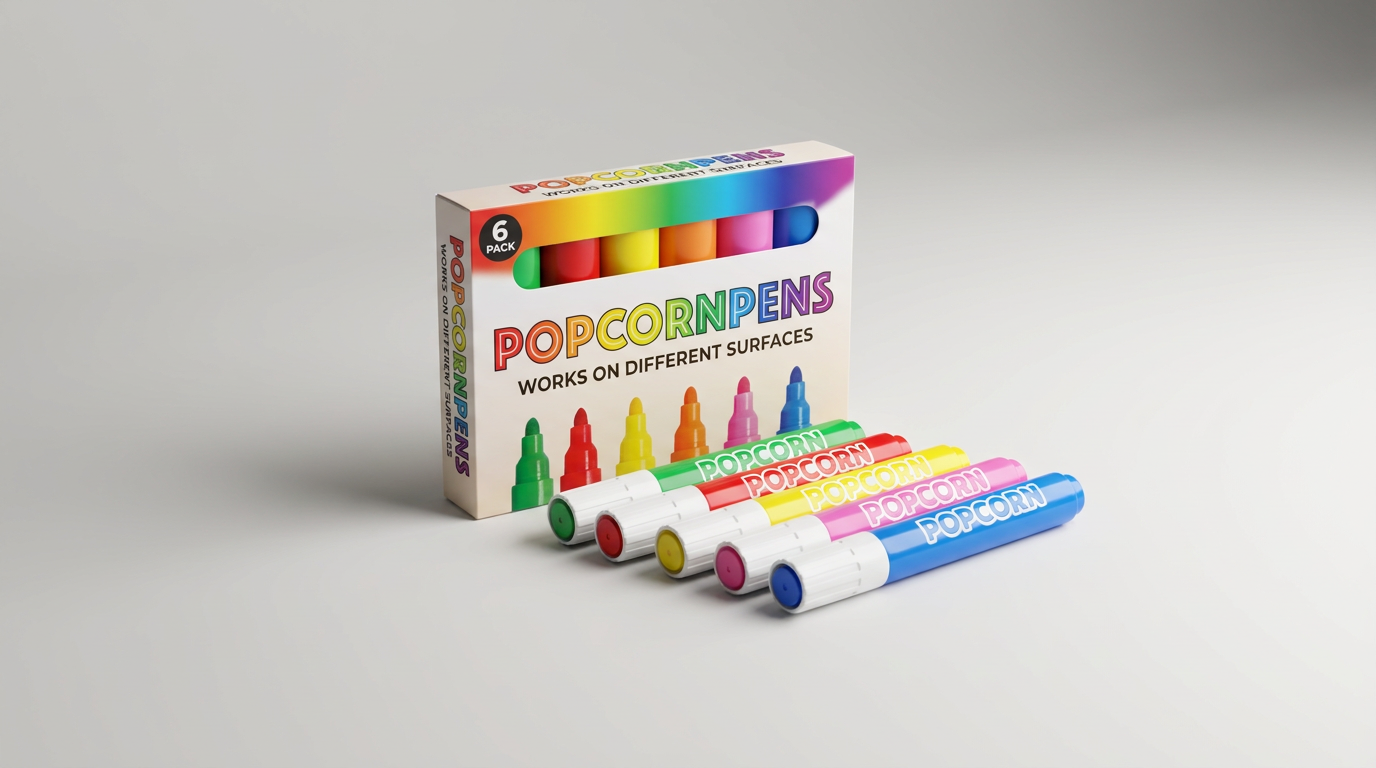
The modern craft aisle is increasingly dictated by the viral craft illusion: products designed specifically for 15-second social media clips where chemical transformations look instantaneous, dramatic, and foolproof. The GYZOMKBIU Popcorn Pens belong squarely in this category. Sold under the banner of 3D printing pens and novelty art markers, they promise expanding, textured foam art activated by nothing more than the warmth of a household blow dryer.
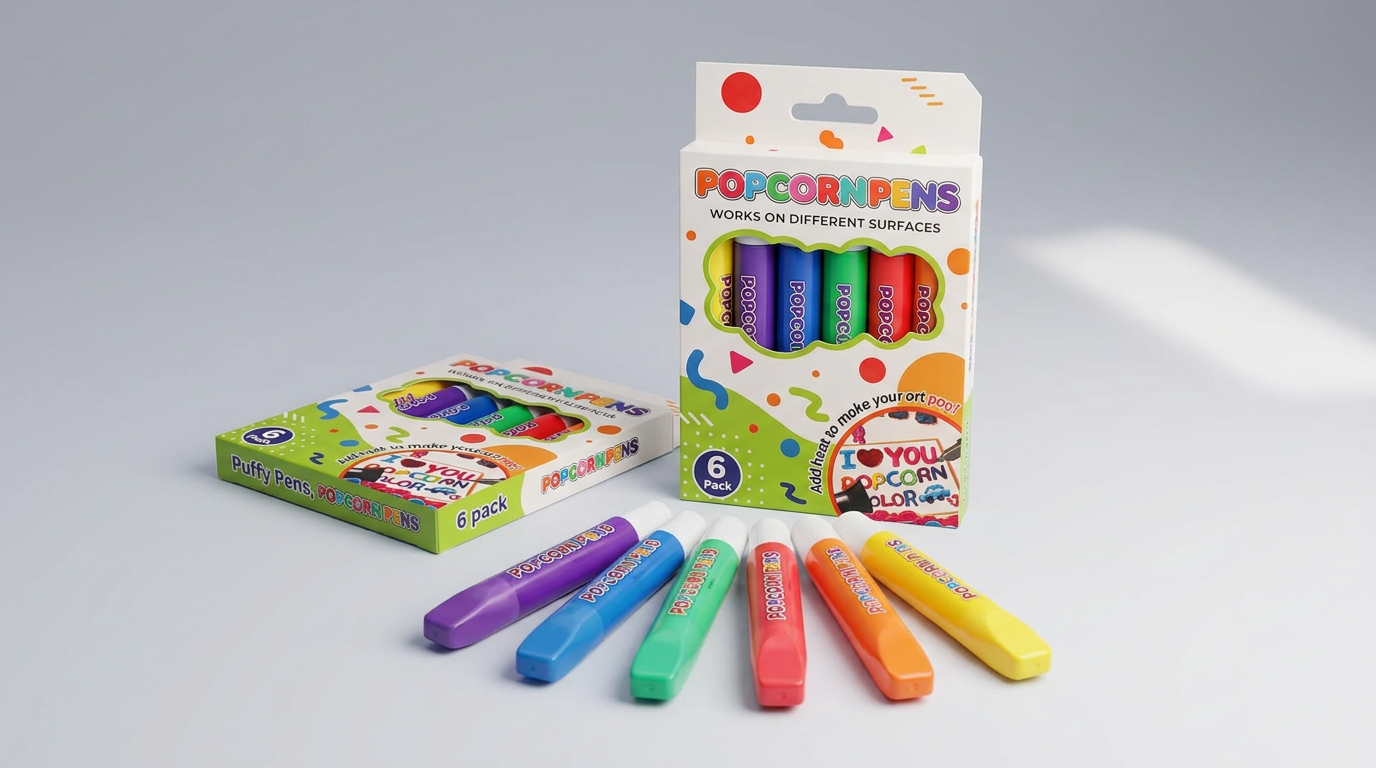
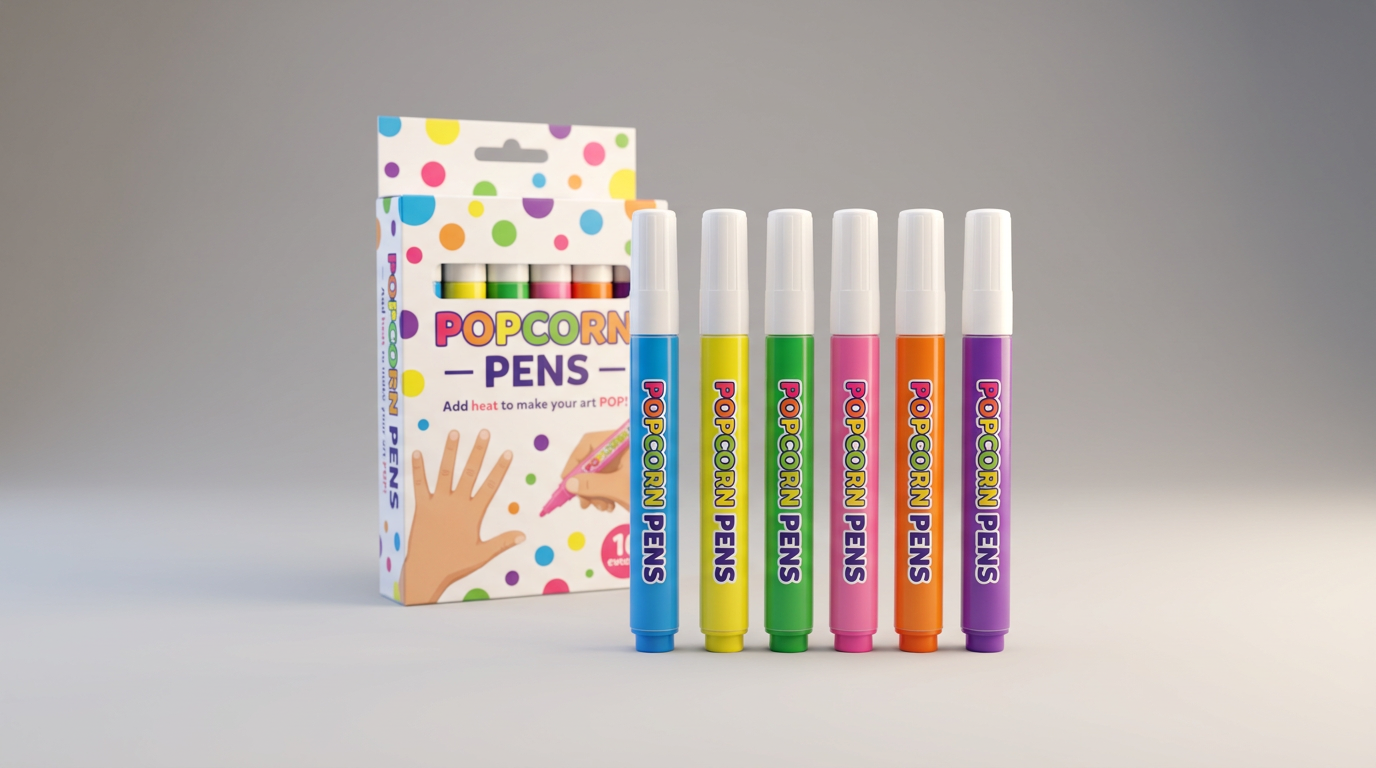
What arrives is a bulk collection of eighteen liquid paint markers spread across six basic colors, packaged without project cards, heavy cardstock, or clear technical guidance. The product is marketed primarily toward children making greeting cards and holiday gifts, trading on the tactile thrill of watching flat ink pop like popcorn before their eyes.
The lived reality quickly dismantles that pitch. Between an unpredictable liquid delivery system and an activation process that routinely overwhelms standard domestic hair dryers, these pens turn what should be an accessible afternoon craft into an exercise in kitchen-table troubleshooting.
What owners love
- + Bright base color saturation before heating
- + Generous 18-pen count split into multiple boxed sets
- + Engaging concept that sparks immediate curiosity
- + Comfortable barrel width for older hands
Common complaints
- − Fails to expand reliably with typical household hair dryers
- − Severe flow control issues frustrate younger artists
- − Zero starter paper, project cards, or craft blanks included
- − Excessively long drying and heating times
Design & Build
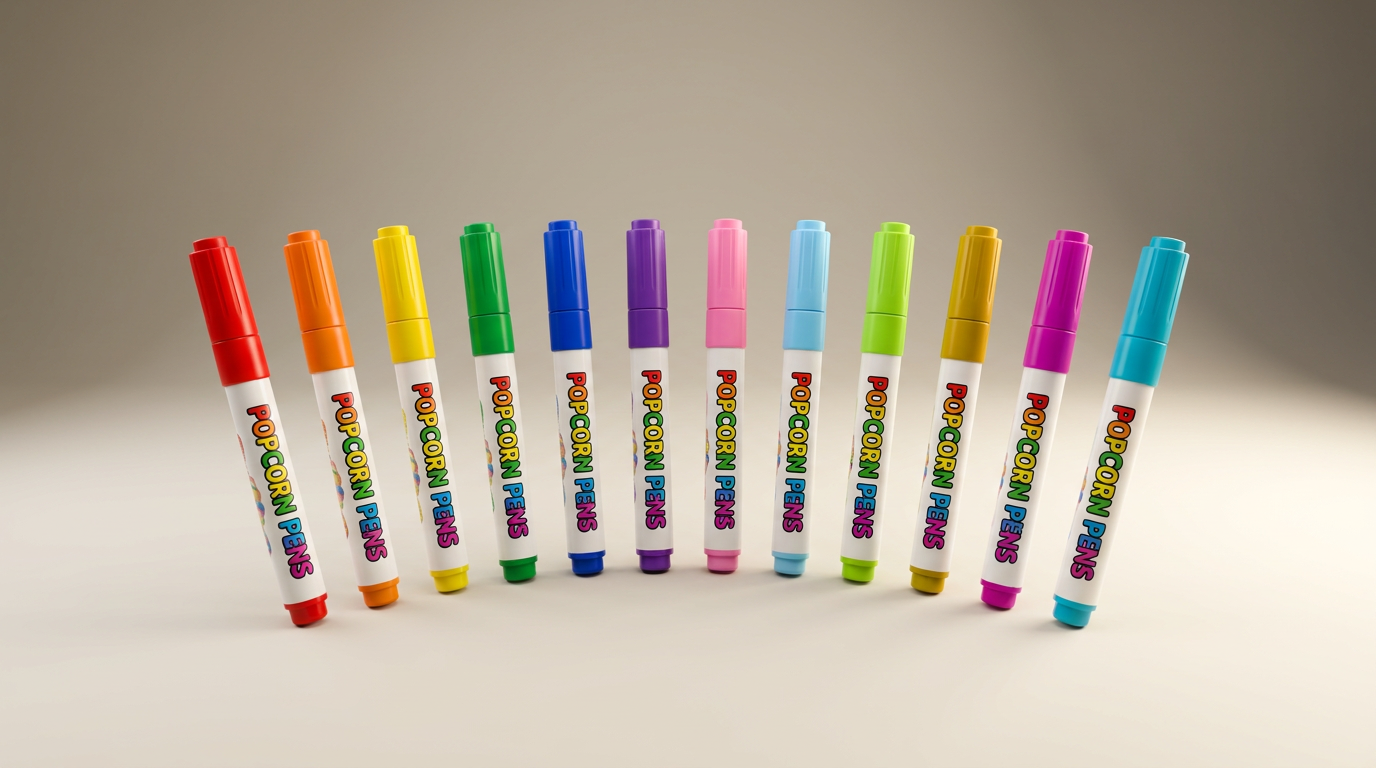
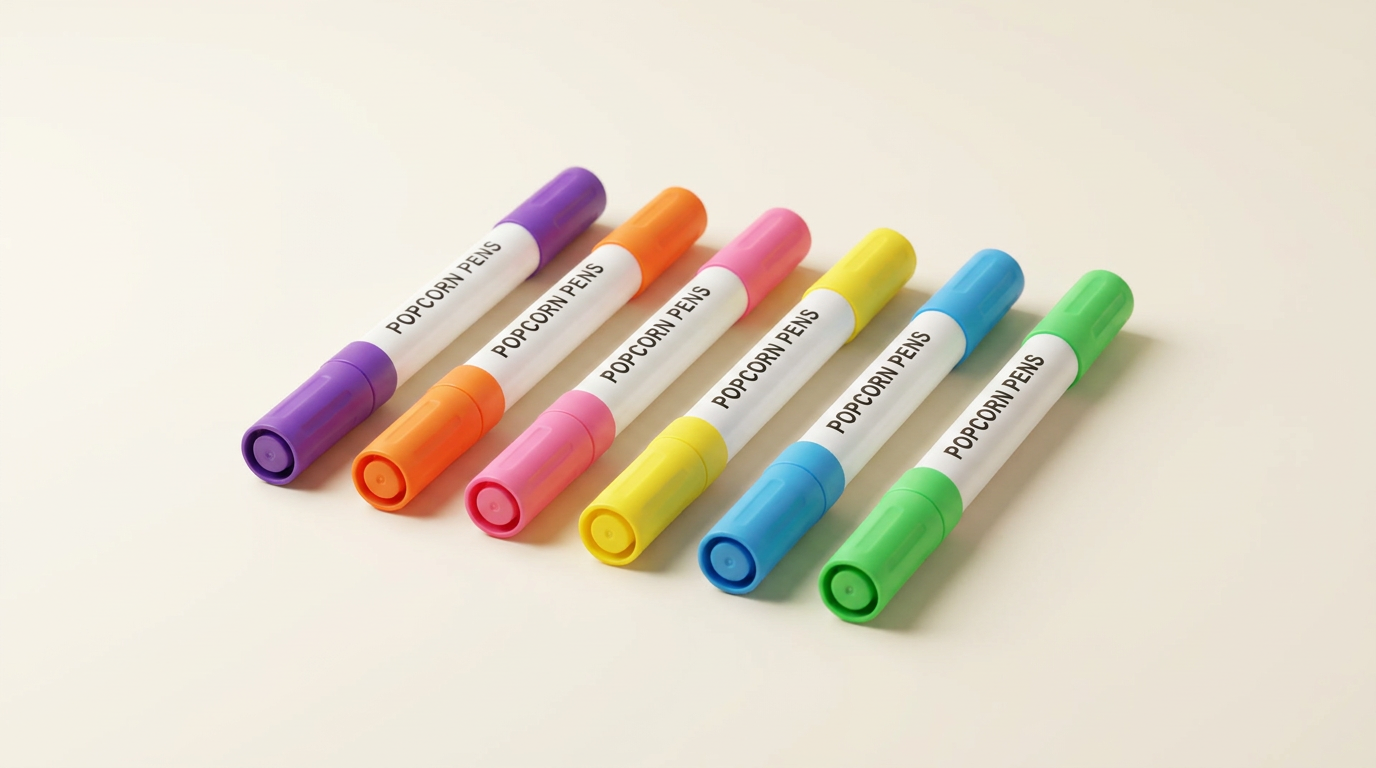
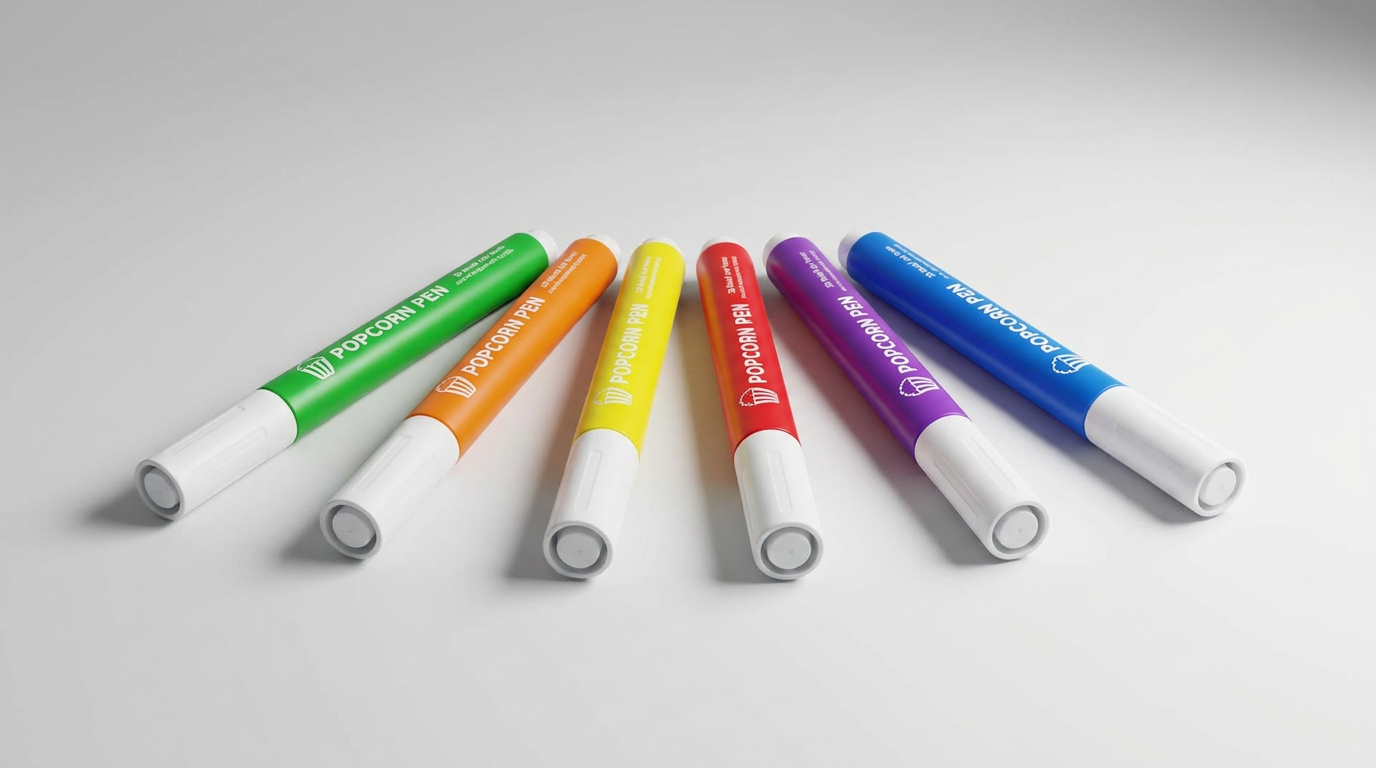
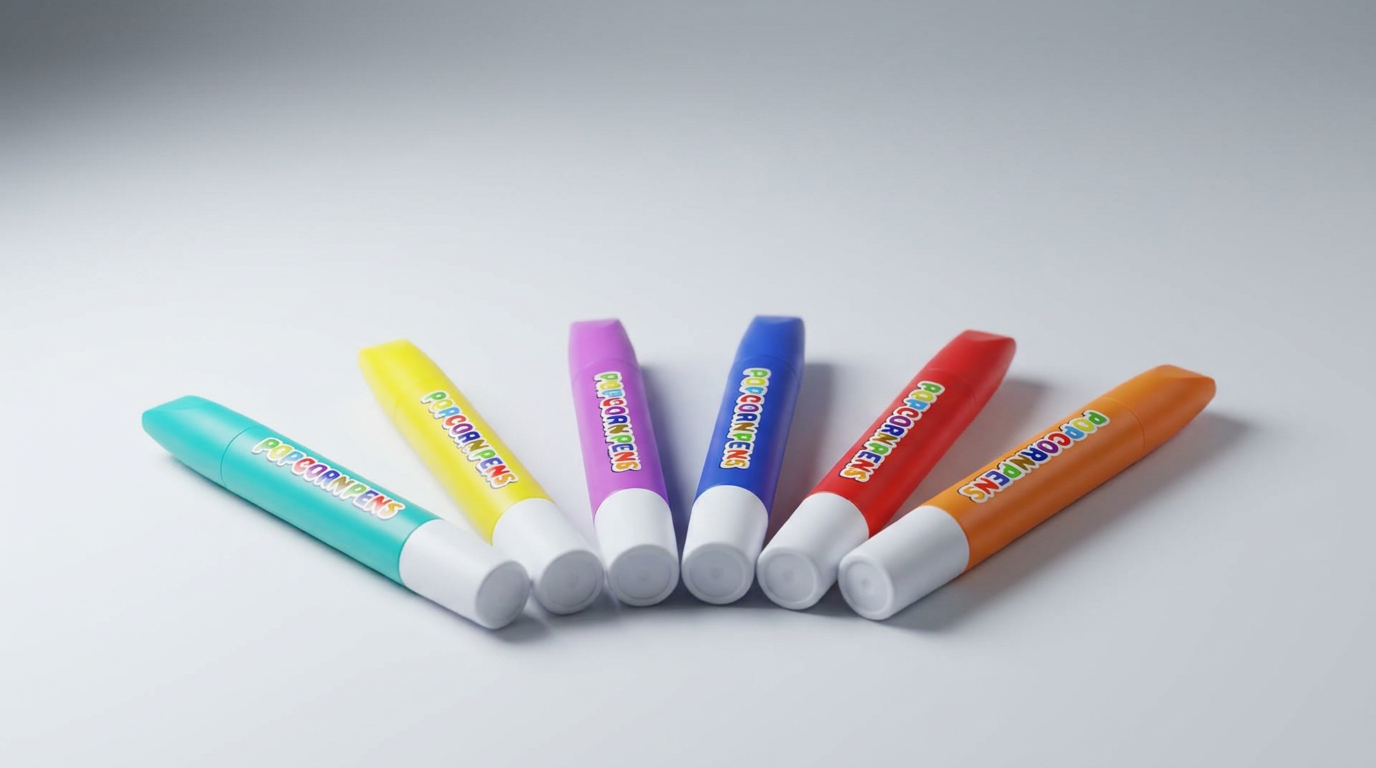
The kit delivers eighteen plastic squeeze-style markers divided into three six-color packs. The barrels are standard round plastic tubes filled with a watery, chemical-scented emulsion. The tips are rigid plastic nibs intended to regulate fluid flow as the user applies manual pressure to the marker body. In practice, the plastic construction feels thin and inconsistent from pen to pen, with some nibs dispensing ink at a trickle while others release large, uncontrollable puddles. The packaging functions as basic transport rather than long-term organization, providing no secondary storage once the boxes are opened.
Setup & Ease of Use
Starting a project immediately exposes the product's first major friction point: the absence of materials. Despite the greeting card framing in promotional materials, the box contains only the markers themselves. Standard printer paper buckles instantly under the moisture of the ink, meaning buyers must supply their own heavy cardstock. Once working, users encounter what can be termed the thickness paradox. If a child lays down a thin, precise line, the thermal reaction lacks sufficient chemical mass to expand. If they lay down a thick line to give the ink volume, the liquid pools into a sticky puddle that resists heat activation entirely and takes hours to cure.
Performance in Real Use
The core failure of these pens lies in what we call the hair dryer trap. Promotional videos show domestic hair dryers triggering an instant, pillowy puff. In real-world testing and across consistent owner reports, standard blow dryers simply do not produce the focused, high-temperature airflow required to boil the expanding agent inside the emulsion. Instead, the forced air tends to scatter wet paint across the page or warp the cardstock before any bubbling occurs. When expansion does happen, it is patchy and uneven, leaving designs looking more like dried curd than the advertised 3D popcorn texture.
Software & Ecosystem
While mechanical rather than digital, these pens operate within a specialized crafting ecosystem that the packaging completely ignores. Successful thermal foaming ink requires an ambient heat tool, specifically an embossing heat gun with high thermal output and low air velocity. By failing to state this requirement, the manufacturer shifts the burden of equipment onto casual buyers who assume a bathroom hair dryer will suffice. Furthermore, the complete lack of project templates, application guides, or recommended curing distances leaves families to guess their way through ruined holiday cards.
Value & Reliability
Priced in the budget range under $20, the set superficially appears to offer strong volume with eighteen individual pens. However, that perceived value collapses against the product's actual functional yield. When a specialty craft tool fails to perform its single defining trick, it is reduced to a set of low-grade, messy liquid markers. The emotional cost is also real: multiple owners report disappointed children who watched their artwork remain flat, soggy, and smeared despite prolonged effort with a hair dryer.
Verdict
Stay Away - These markers fail to deliver their advertised 3D texture using standard household tools, leaving crafts flat and messy.
This set is unsuitable for parents, grandparents, or teachers looking for a reliable rainy-day activity for children. The precise squeeze control required to lay down adequate pigment, combined with the extreme heat needed to initiate expansion, makes the product frustrating for young hands and hazardous without direct adult supervision. Craft hobbyists who already own a dedicated embossing heat gun might extract modest novelty from the ink, but even then, superior professional puff paints exist at similar price points.
The GYZOMKBIU Popcorn Pens are a textbook example of social-media craft theater. They take a complex industrial chemical reaction that demands exact thermal thresholds and market it as effortless fun for grade-schoolers. Until the ink formula is calibrated to react to modest household heat, this is an easy pass.
FAQ
More 3D Printing Pens reviews
This review is based on real experiences shared by owners in online communities.