
Generic Popcorn Pens Review: The Puffy Ink Illusion
By AValidReview. An AI-assisted summary of customer feedback, not a hands-on test.
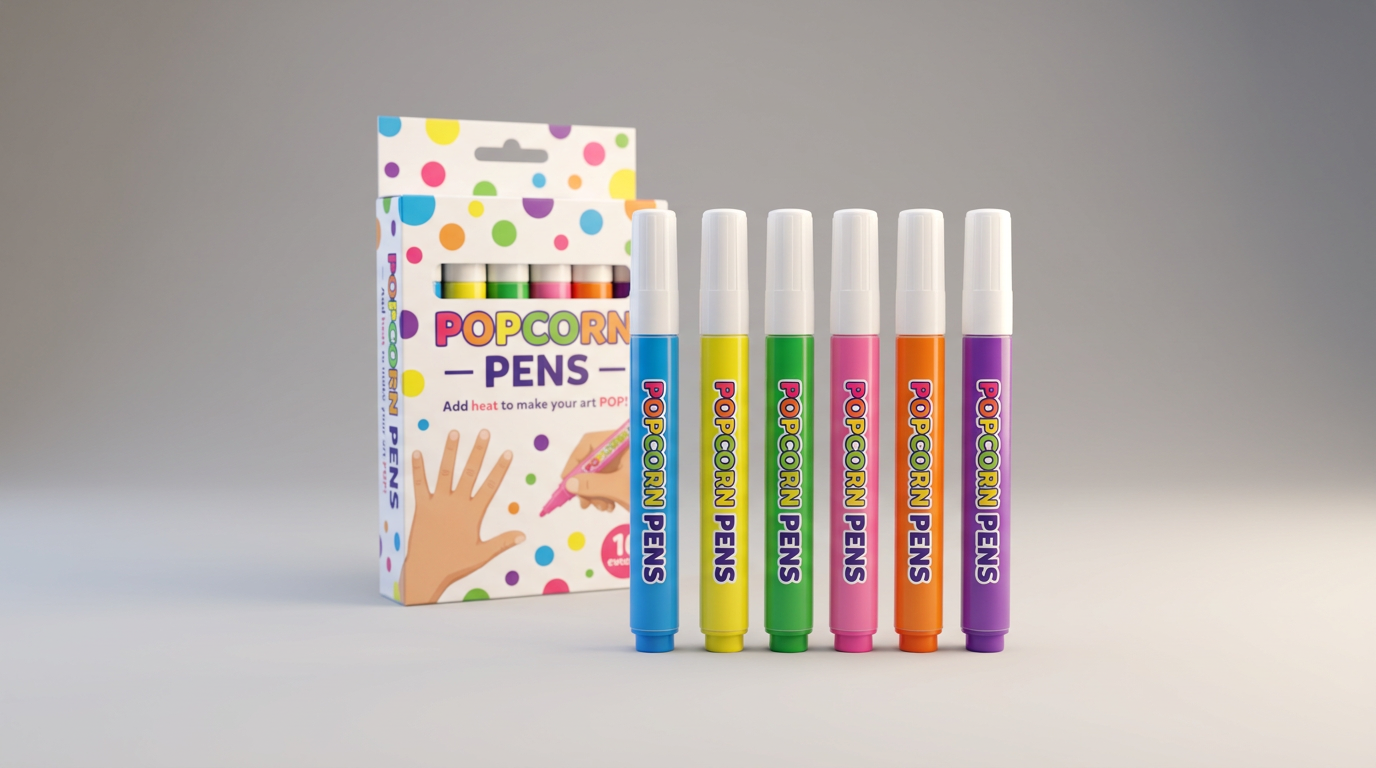
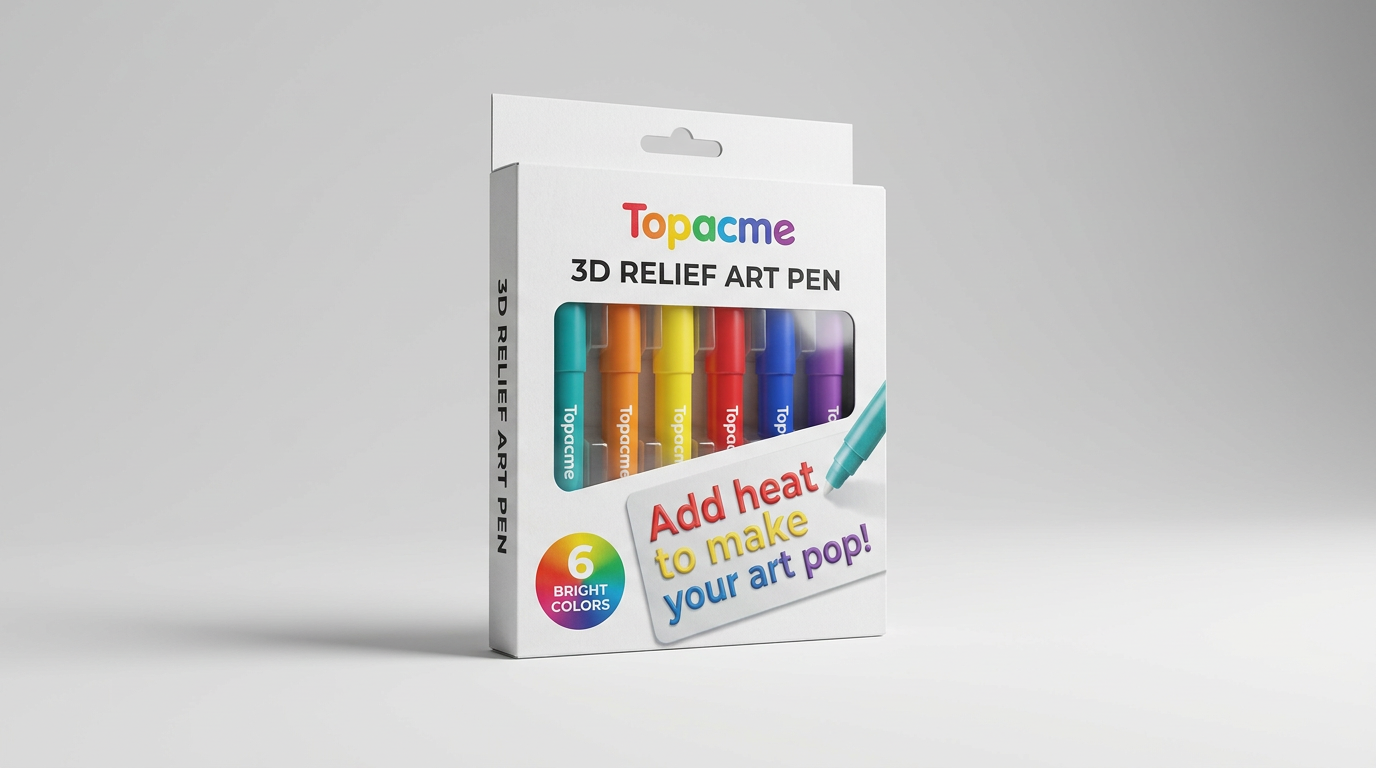
Novelty art supplies often trade on a single visual hook. In the case of these generic popcorn pens, the hook is expandable ink that supposedly balloons into tactile, three-dimensional lines under the gentle heat of a household hair dryer. The marketing targets parents looking for an accessible craft that mimics 3D additive manufacturing without the mechanical complexity or molten plastic of an actual 3D pen. It is an enticing premise that fundamentally misrepresents the physics involved.
In practice, this craft set runs directly into what we call the thermal activation gap. The formulation requires far more concentrated thermal energy than a standard hair dryer can deliver, creating a safety paradox: either the product fails to activate entirely, or parents must introduce high-temperature industrial tools into an activity meant for young children. When tested against real-world expectations, the magic evaporates rapidly.
While a rare user might get an acceptable line under hyper-specific conditions, the majority of experiences collapse into disappointment. What should be an engaging creative afternoon turns into an exercise in troubleshooting wet, unresponsive pigment that refuses to dry.
What owners love
- + Standard pen form factor is easy for small hands to hold
- + Provides a bright six-color palette for basic drawing
- + Ink cleans off skin without heavy scrubbing
- + Low upfront purchase price under fifteen dollars
Common complaints
- − Fails to expand when heated with standard household blow dryers
- − Liquid ink often remains wet and tacky instead of curing
- − Achieving minimal expansion requires an unsafe heat gun
- − Severe quality inconsistency leads to ruined craft projects
Design & Build
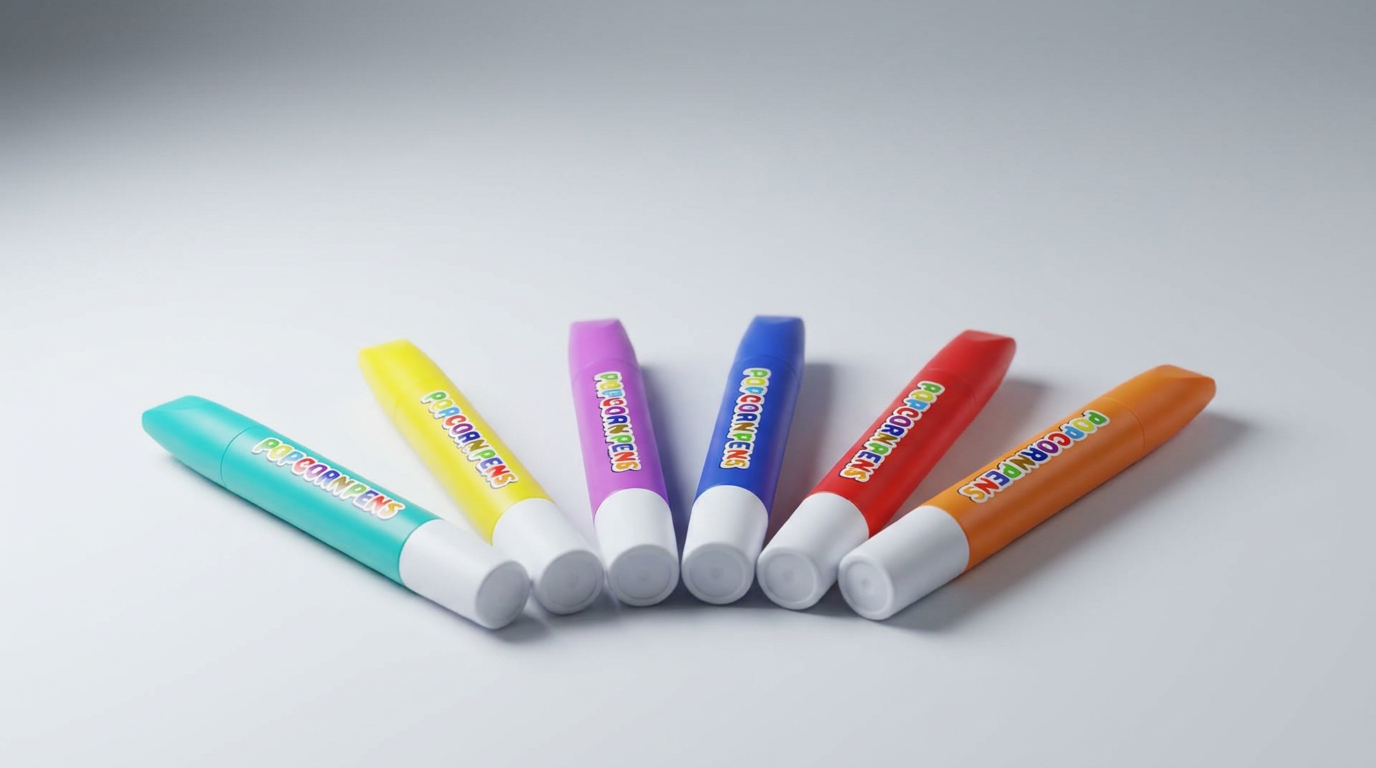
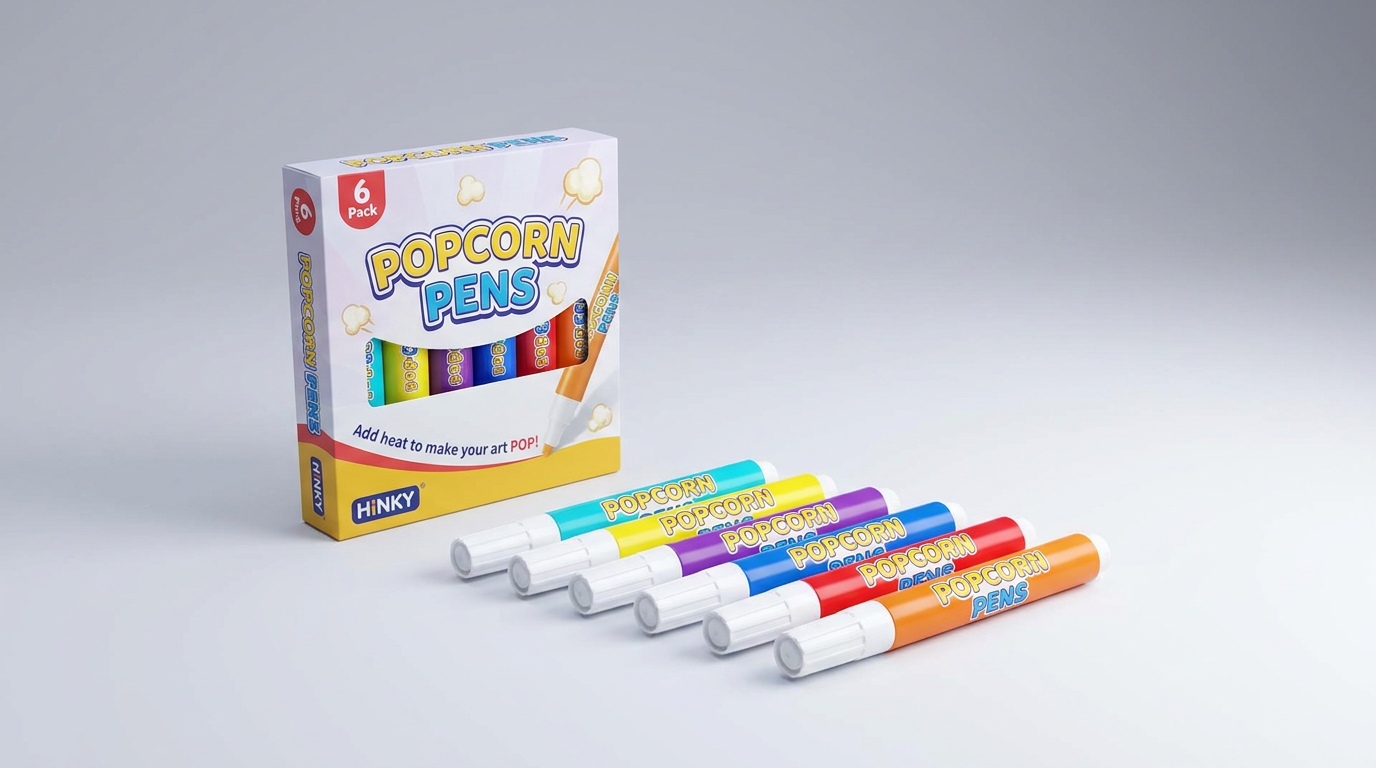
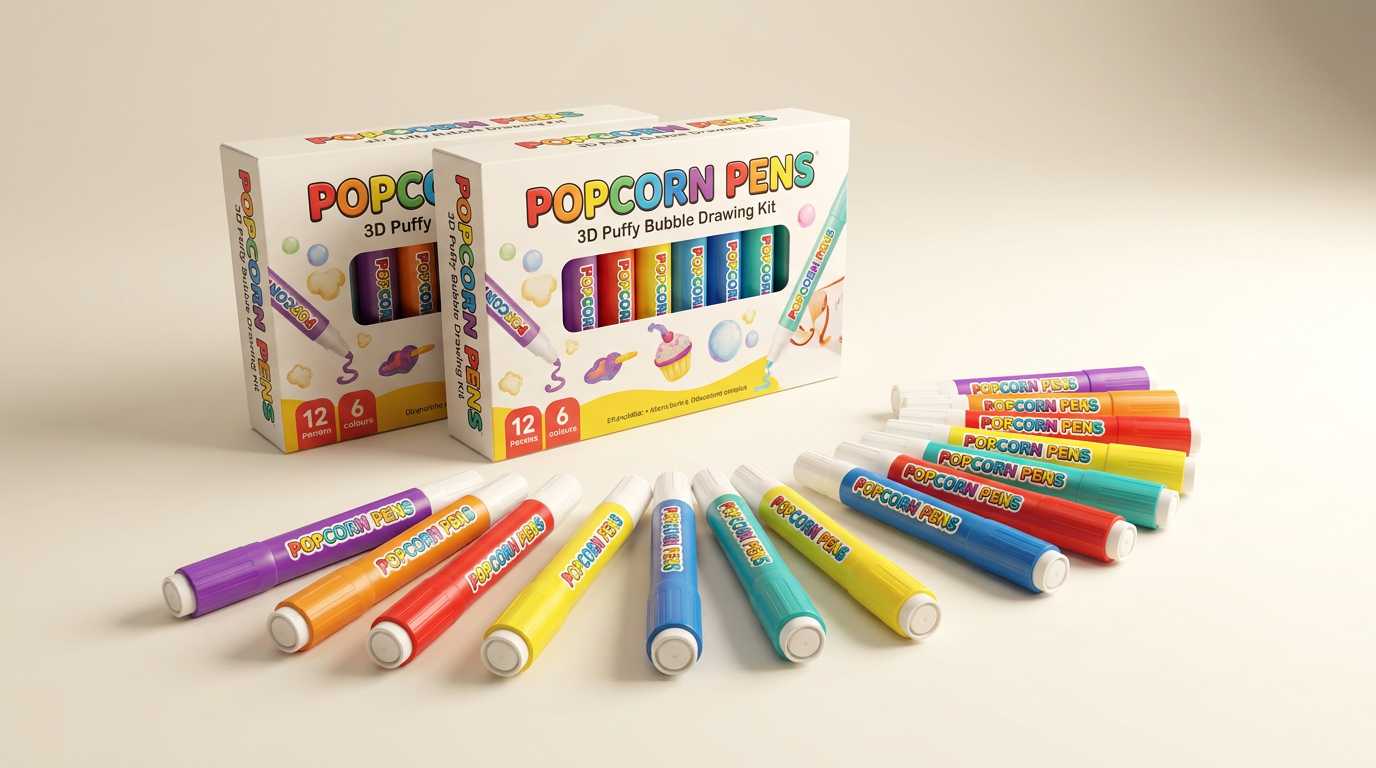
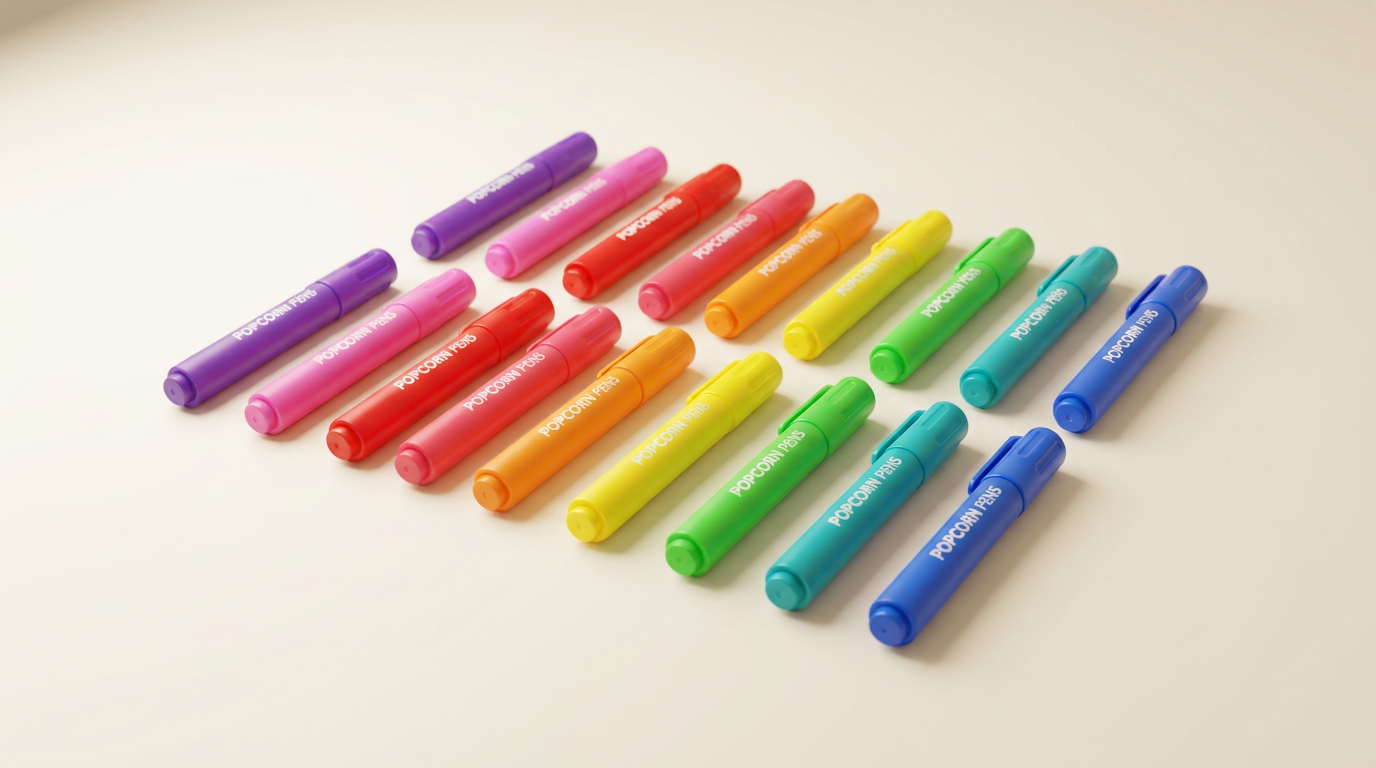
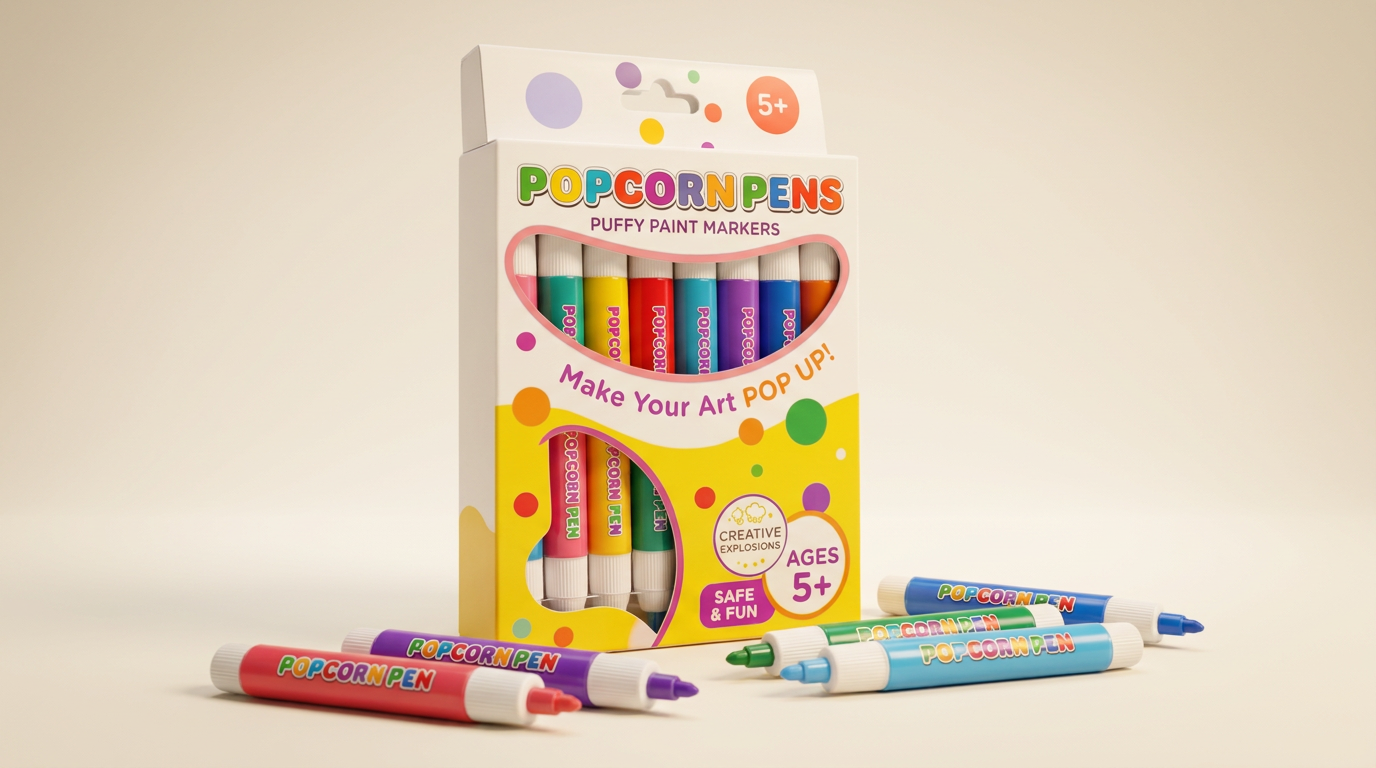
At first glance, the pens mimic standard felt-tip or liquid squeeze markers. The six-piece set covers the primary and secondary color spectrum with yellow, orange, red, purple, blue, and green. The manufacturer highlights a double-seal cap system designed to prevent the internal medium from solidifying prematurely. The barrels are lightweight plastic, appropriately sized for children, but the build quality feels distinctly disposable. The real flaw is not in the plastic casing, but in the formulation inside. The chemical blowing agents suspended in the liquid medium are supposed to trigger at moderate temperatures, yet the fluid consistency is runny and uneven, making precise line work nearly impossible before heat is even introduced.
Setup & Ease of Use
The operational workflow is pitched as effortless: uncap, draw on paper or cardstock, and apply heat from a domestic blow dryer. There is no software, battery setup, or mechanical calibration required. However, the user experience breaks down immediately at the heating stage. Standard hair dryers circulate broad, diffused warm air that tends to blow the wet, un-puffed liquid across the paper rather than baking it into place. To get any reaction, users find themselves holding appliances inches away from damp paper for extended periods. This workflow creates an expectation crash, transforming what should be an independent children's activity into an intensive, frustrating parental chore.
Performance in Real Use
Real-world testing reveals that the advertised popcorn effect is virtually non-existent under recommended operating conditions. Multiple owners report that blow dryers produce zero dimensional rising. Instead of puffing up into a textured, foam-like relief, the ink stays flat. Worse, several users note that the medium fails to dry naturally, leaving sticky, smeared lines that ruin greeting cards and artwork. When users resort to specialized crafting heat guns to bridge the thermal activation gap, the results remain underwhelming. The ink produces minimal, inconsistent bubbling while scorching the paper beneath it. The gap between marketing imagery and actual output could hardly be wider.
Software & Ecosystem
Because these pens are analog liquid markers, they lack a digital interface or software ecosystem. However, their placement in product catalogs under additive manufacturing and 3D printing pens represents a textbook case of category drift. Sellers increasingly tag simple chemical craft supplies with advanced fabrication keywords to capture search volume. Without accompanying technical guidelines, recommended wattages, or paper stock specifications, the product provides zero contextual support. Buyers are left to guess nozzle distances, drying intervals, and thermal thresholds entirely through trial and error.
Value & Reliability
Priced in the budget range of around ten to fifteen dollars, the set might seem like a low-risk impulse purchase. But perceived value hinges entirely on whether a novelty product performs its single defining trick. As standard markers, these pens are messy, runny, and slow-drying compared to basic washable markers that cost far less. As 3D puffy pens, they fail almost universally. The recurring theme across real-world feedback is acute disappointment, particularly among children who watched flat paint remain flat. An art supply that does not dry and cannot deliver its advertised form factor holds zero practical value, regardless of how cheap the price tag is.
Verdict
Stay Away - These markers fail to deliver their signature puffy effect with household tools and frequently ruin projects by refusing to dry.
This product is not suitable for young crafters, parents seeking reliable weekend activities, or anyone expecting the textured, three-dimensional pop depicted in promotional materials. The only group that might salvage utility from this kit are adult crafters who already own variable-temperature embossing heat guns and are willing to experiment with inconsistent chemical reactions. Even for that niche, higher-grade embossing powders and dedicated dimensional fabric paints offer vastly superior control and consistency.
Ultimately, these popcorn pens highlight the danger of the thermal activation gap, where safe household temperatures are inadequate to trigger the chemistry, yet higher temperatures defeat the purpose of a safe child's toy. When a product relies on an extreme heat source that parents cannot responsibly hand to a child, the core concept collapses. Skip this set entirely and invest in proven craft mediums.
FAQ
More 3D Printing Pens reviews
This review is based on real experiences shared by owners in online communities.