
Generic 3D Magic Popcorn Pens Review
By AValidReview. An AI-assisted summary of customer feedback, not a hands-on test.
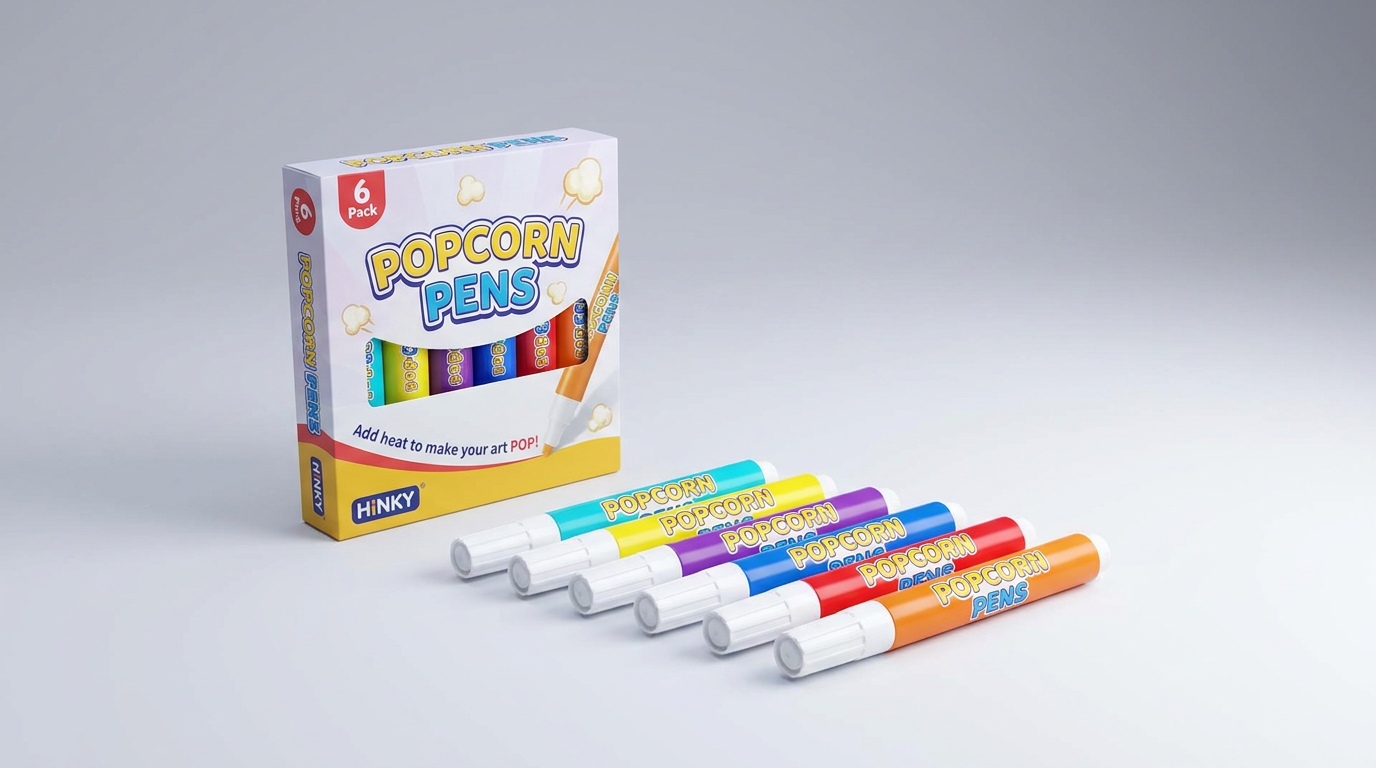
The modern stationery market frequently attempts to democratize 3D textures, marketing novelty pens that promise tangible relief without the mechanical complexity of additive manufacturing. The Generic 3D Magic Popcorn Pens sit at the bottom of this niche, promising an instant micro-expansion effect when wet ink meets hot air. Packaged as a simple creative tool for greeting cards and scrapbooks, the product is sold on the illusion of low-effort craft magic. In practice, it illustrates what we call the novelty mirage: high visual promises driven by chemical reactions that collapse outside sterile laboratory conditions.
The premise is straightforward. Users draw patterns with liquid ink, expose the paper to a heat source like a blow dryer, and watch flat lines expand into textured, popcorn-like foam. For a solitary contingent of users with the right thermal setup, this delivers a punchy tactile finish. For most, however, the experience is defined by the thermal activation gap, a narrow thermodynamic window where domestic hair dryers either blow wet ink across the page or fail to hit the threshold required for expansion.
While the listing borrows the language of 3D craft tools, this 18-piece set is fundamentally an unbranded chemical craft ink with loose quality controls. Testing real-world user feedback reveals that while the washable pigments are vivid on plain cardstock, the core functional gimmick fails far more often than it succeeds.
What owners love
- + Six bright, saturated ink colors
- + Washable formula wipes cleanly off table surfaces
- + Generous quantity with 18 pens in the bundle
- + Creates unique tactile texture on the rare occasions it expands
Common complaints
- − Fails to puff up under standard household hair dryer heat
- − Extremely finicky ink thickness requirements
- − Unsuitable for independent use by young children
- − Misleadingly classified as a 3D printing tool
Design & Build
The Generic 3D Magic Popcorn Pens arrive as three individual six-pack boxes, housing simple squeeze-tube markers filled with a viscous, water-based emulsion. Build quality matches basic dollar-store craft supplies: lightweight plastic barrels, pressure-fit nibs, and snap-on caps that require deliberate force to seal. The ink itself is rich in pigment, laying down vibrant, wet lines that dry slowly on standard porous paper.
Because the structural integrity of the line depends entirely on manual squeezing pressure, achieving an even flow is difficult. Children and beginners tend to alternate between watery ribbons and dense blobs. The structural design makes no allowance for dosage control, which directly compromises the thermal reaction required later. If the barrel is squeezed too hard, the ink pools; if applied too thinly, there is insufficient material for expansion.
Setup & Ease of Use
Operating these pens exposes a massive divergence between product marketing and physical reality. The instructions call for drawing a pattern, then heating the surface with a hair dryer or microwave for approximately two minutes. In practical household conditions, this workflow introduces the thermal activation gap: domestic hair dryers push high air volume rather than focused, high-temperature heat. The immediate result is often wet ink splattering across greeting cards before it ever reaches the foaming point.
Using an appliance like a microwave introduces its own risks, including uneven paper warping and scorched fibers. Because the process mandates direct, prolonged heat, independent use by children under the age of 14 is a hazard. The pens demand adult intervention, high-heat crafting heat guns rather than beauty appliances, and meticulous surface monitoring to prevent ruined craft projects.
Performance in Real Use
Performance is defined by inconsistency. When the formulation works, the expanded foam offers a curious, textured finish that genuinely elevates homemade birthday cards or poster projects. The colors maintain reasonable saturation post-expansion, and the water-soluble nature of the medium makes cleanup off hard surfaces painless.
However, owners repeatedly report that the pens simply refuse to pop. The chemical blowing agent responsible for the expansion relies on exact deposition thickness. If a user draws fine linework, the moisture evaporates before the foam can form, leaving behind flat, shiny ink. If the stroke is thick enough to hold structural water, the internal core remains liquid while the skin dries, resisting the blow dryer entirely. Achieving the advertised popcorn texture feels less like standard crafting and more like calibrating an unpredictable chemical reaction without proper instruments.
Software & Ecosystem
While filed in consumer catalogs under additive manufacturing and 3D printing pens, this product has zero electronic, software, or digital ecosystem. It includes no stencils, zero application guides, and no troubleshooting documentation regarding thermal thresholds. Buyers searching for entry-level 3D pens will find no mechanical extrusion systems or heated nozzles here.
The isolation of the product means users are left entirely to trial and error. Standard cardstock absorbs the moisture too quickly, while glossy photographic paper prevents the blowing agent from adhering cleanly. Without manufacturer-provided temperature targets or recommended paper weights, users are left attempting multiple unsuccessful passes, wasting card blanks and ink in the process.
Value & Reliability
Priced under $20 for an 18-piece bundle, the purchase barrier is low enough to qualify as an impulse buy. Yet value cannot be measured by tube count when the primary value proposition does not function. A bundle of 18 pens that act merely as mediocre, slow-drying squeeze markers represents poor value compared to standard archival pens or purpose-built fabric puff paints.
Reliability across the three included boxes is uniformly poor. Buyers frequently report attempting five or more variations of line thickness and drying distances without a single successful expansion. When a consumer novelty item fails its single defining trick in the majority of use cases, its worth reduces to zero, regardless of the low entry cost.
Verdict
Stay Away - Inconsistent chemical activation and finicky application turn a promised craft novelty into a frustrating, unworkable exercise.
This set will only satisfy experienced adult crafters who already own variable-temperature heat guns and are willing to experiment with paper stock and deposition depths. It is not suitable for spontaneous holiday cards, and it should not be handed to young children expecting an effortless creative session.
What most buyers miss is that the Popcorn Pen is not a stationery tool; it is an industrial chemical puff compound stripped of the controlled thermal tools needed to make it work. By packaging a demanding thermal reaction as a casual hair-dryer craft, the product guarantees consumer disappointment.
FAQ
More 3D Printing Pens reviews
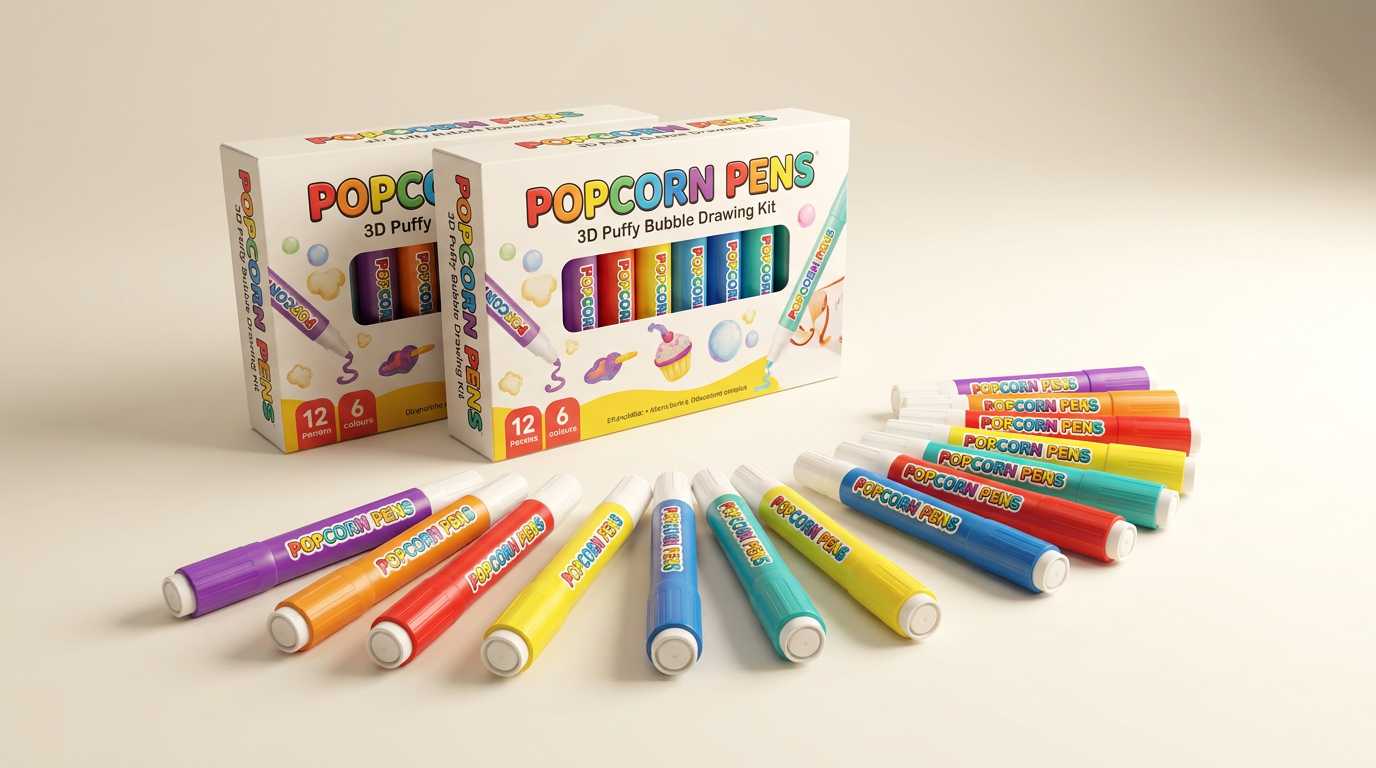
Popcorn Pens 3D Puffy Bubble Drawing Kit Review
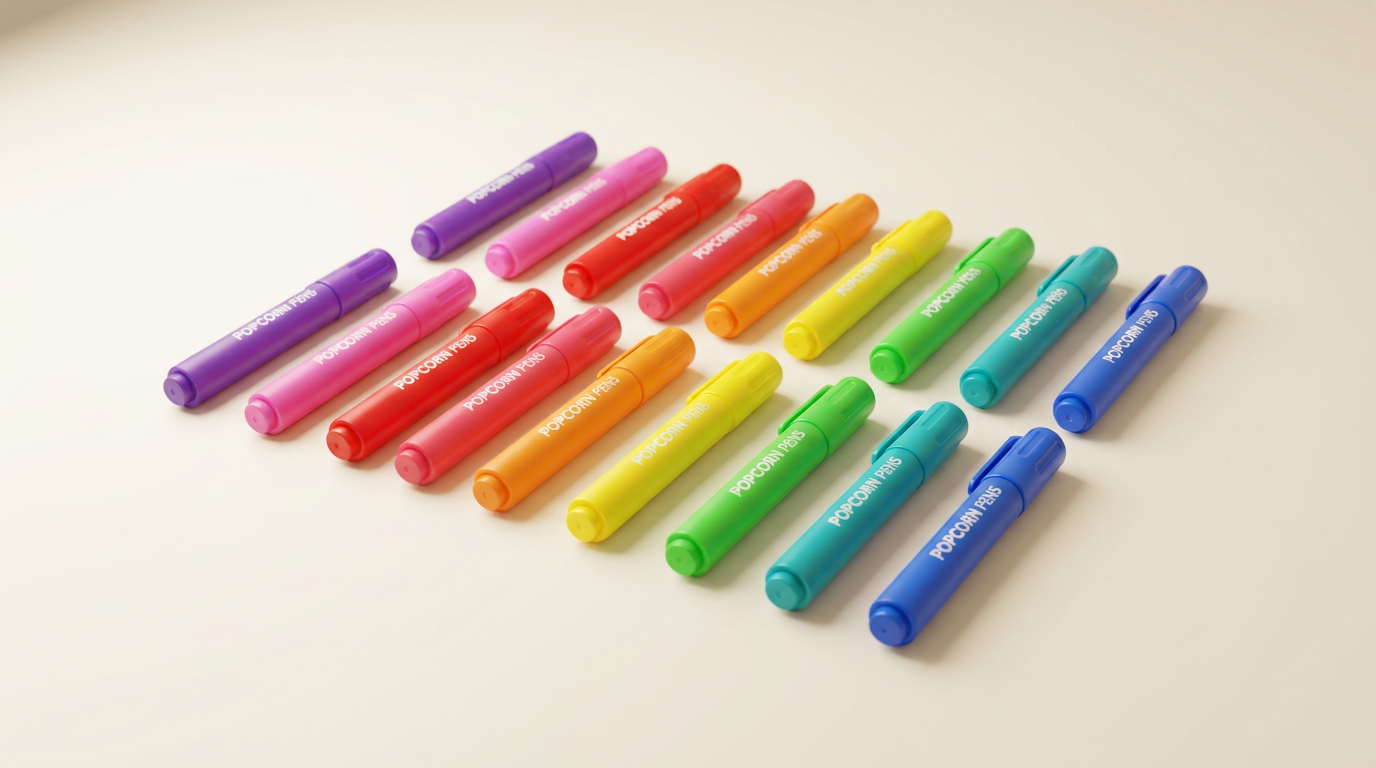
kjsdsss 18PCS Magic Popcorn Pens Review
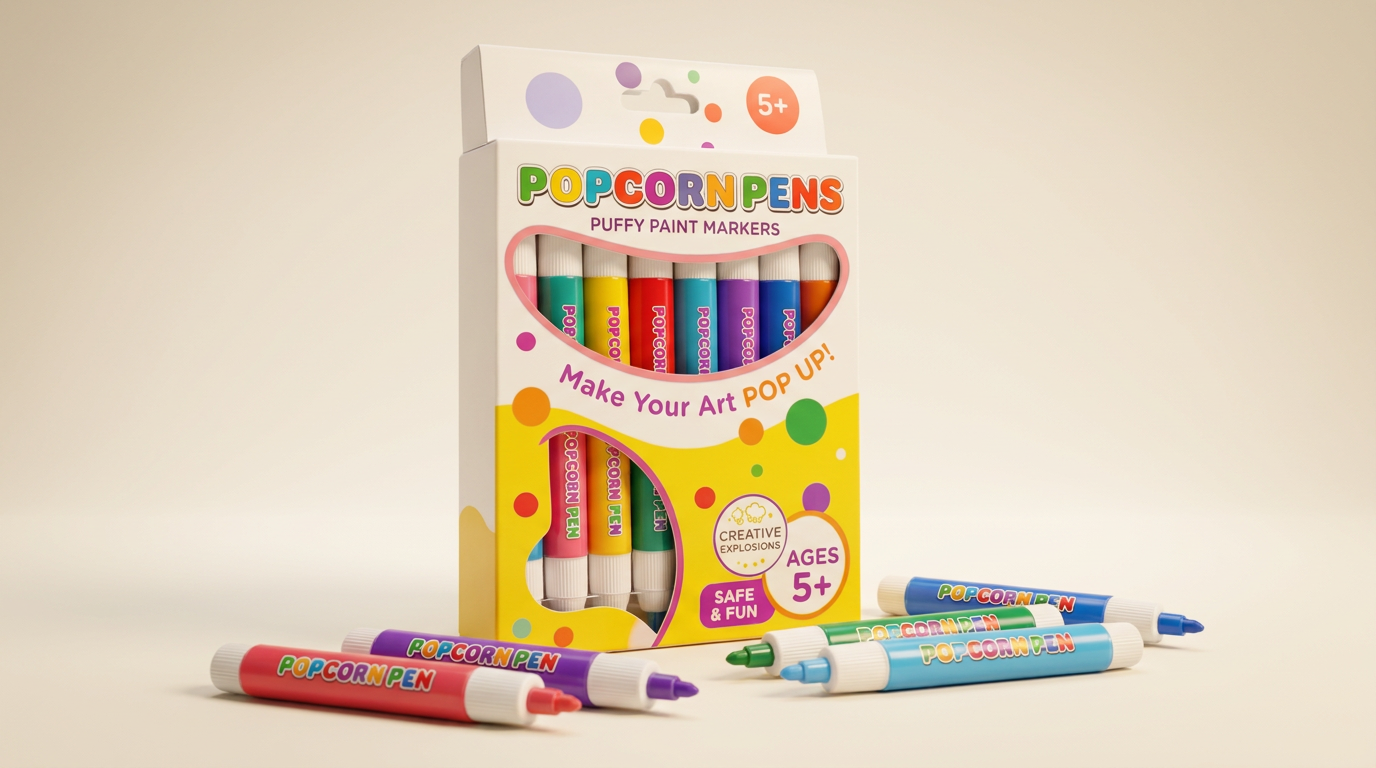
Yoyoland 3D Popcorn Pens Review: Novel Craft Fun with Hidden Traps
Prestige Rail Pro 3D Printer Oil Pens Review

ScontLuy 3D Relief Art Pen Review: Popcorn Craft Flop
Clkklpm 3D Magic Popcorn Pens Review: Faulty Heat-Activated Art
This review is based on real experiences shared by owners in online communities.