
3D Relief Art Popcorn Pens Review: Novelty Craft Gimmick
By AValidReview.
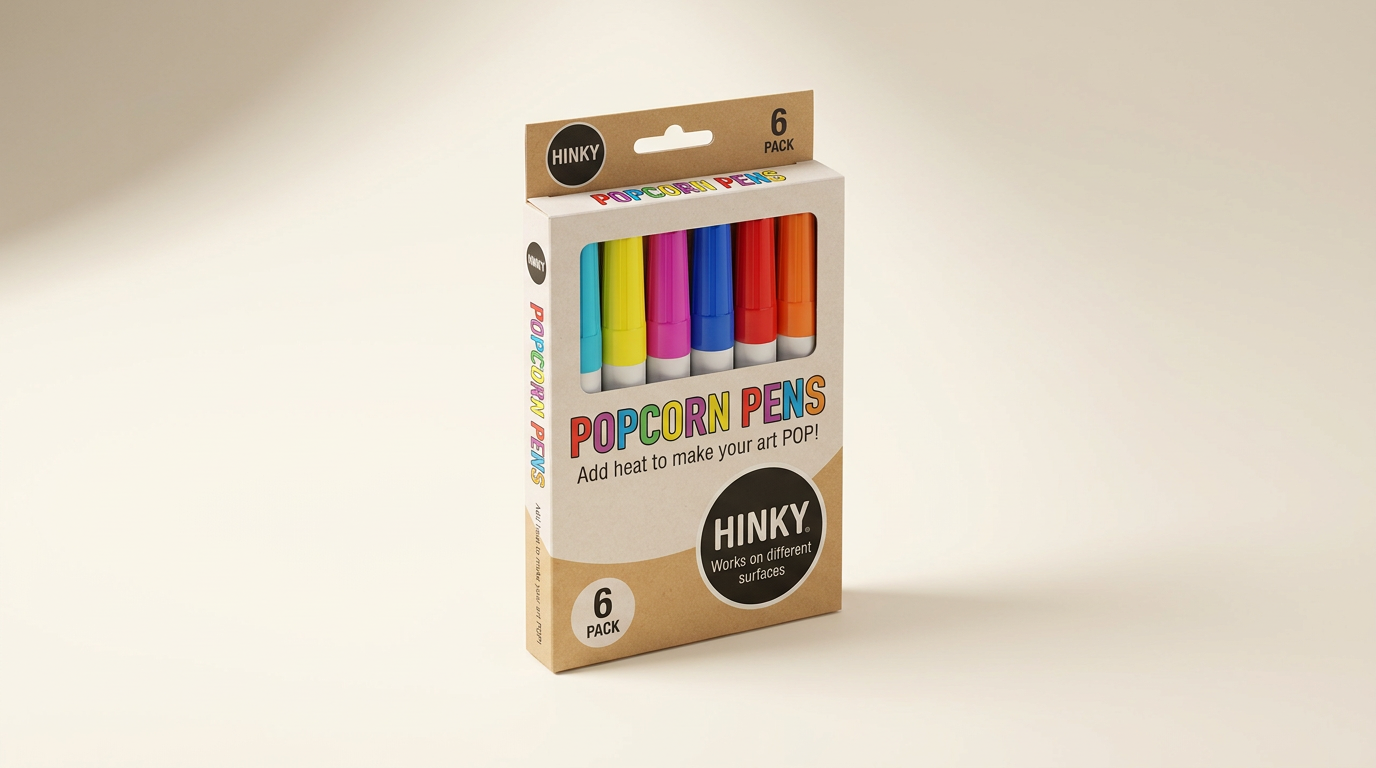
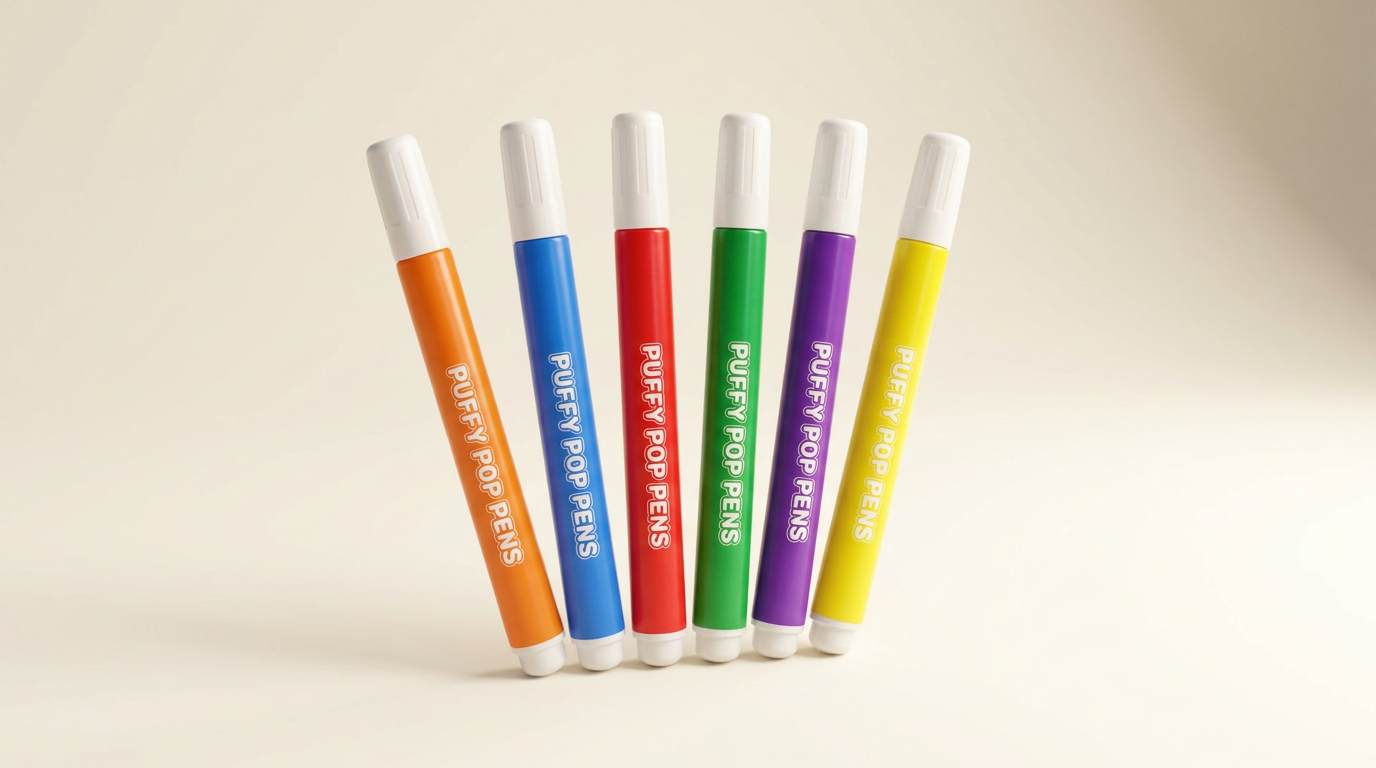
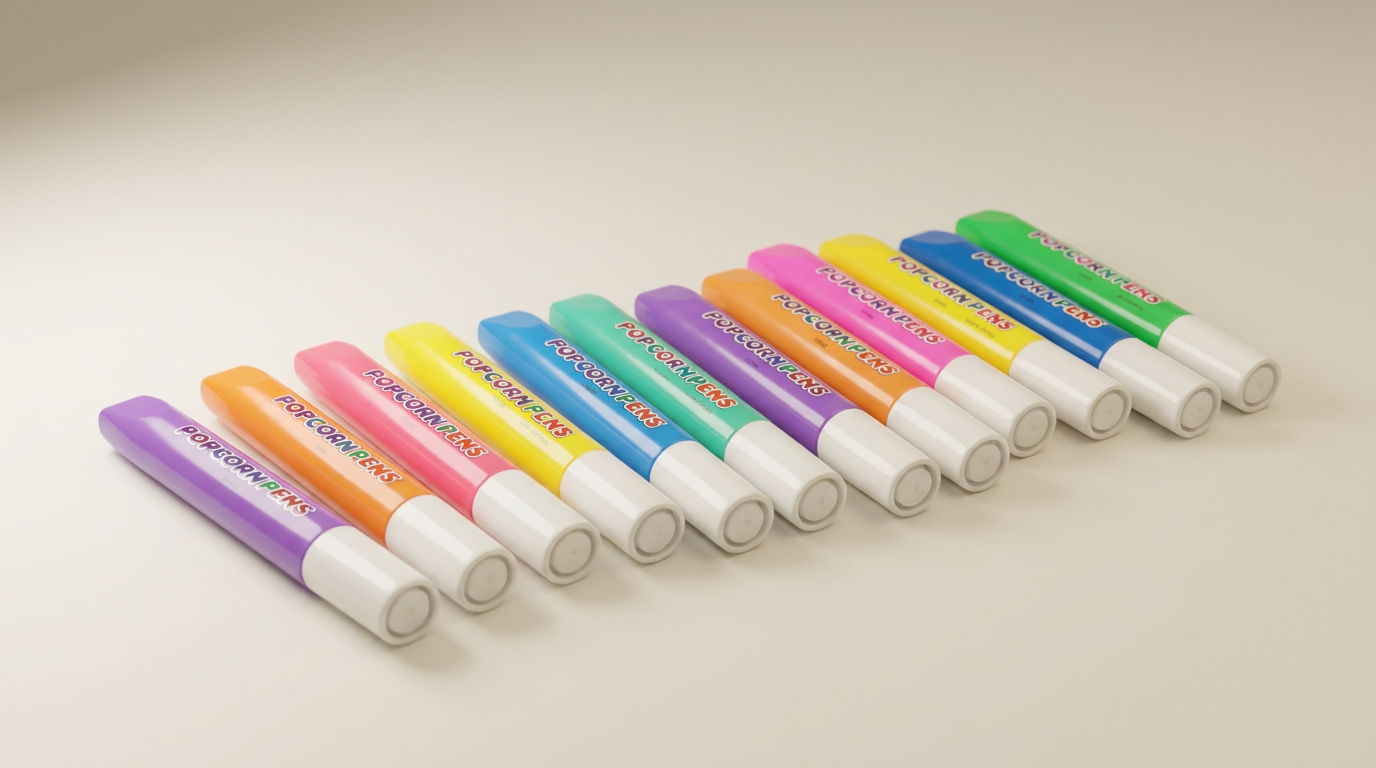
The modern direct-to-consumer marketplace is flooded with algorithmic craft bait: novelty items engineered specifically to look mesmerizing in short video loops, regardless of how they function on a desk. The Generic 3D Relief Art Popcorn Pens sit directly at the center of this trend. Positioned opportunistically within online maker categories alongside actual additive manufacturing hardware, these six squeeze pens claim to transform flat sketches into puffy, tactile artwork through the application of household heat.
In promotional reels, the ink expands instantly into rich, popcorn-textured relief lines under a hair dryer or microwave beam. In practice, buyers encounter what can only be called the video-to-reality deficit. The product trades on the illusion of rapid desktop manufacturing while delivering the erratic, underwhelming performance of poorly mixed hobby paste.
For anyone looking to create professional greeting cards or textured mixed-media illustrations, these pens provide an immediate lesson in the risks of category spoofing. Rather than offering an accessible entry point to tactile art, they serve as a reminder that flashy digital demonstrations rarely survive contact with ordinary paper.
What owners love
- + Includes six distinct colors in a single pack
- + Requires no proprietary charging cables or internal batteries
- + Compact squeeze-tube form factor fits standard pencil cases
- + Non-mechanical design eliminates mechanical motor clogs
Common complaints
- − Fails to produce the advertised dimensional expansion
- − Requires high heat from external tools that risk scorching paper
- − Severe discrepancy between promotional media and real output
- − Substantially overpriced relative to standard craft puffy paints
Design & Build
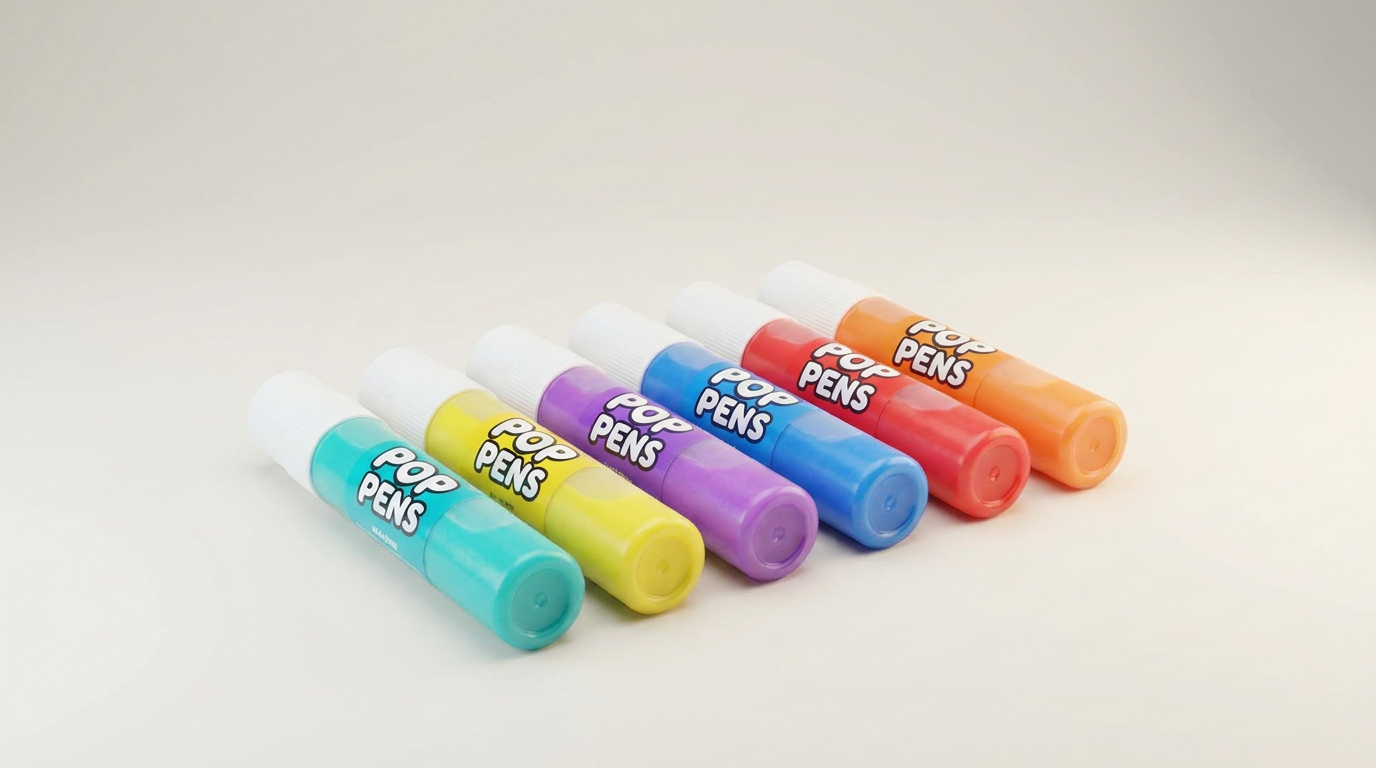
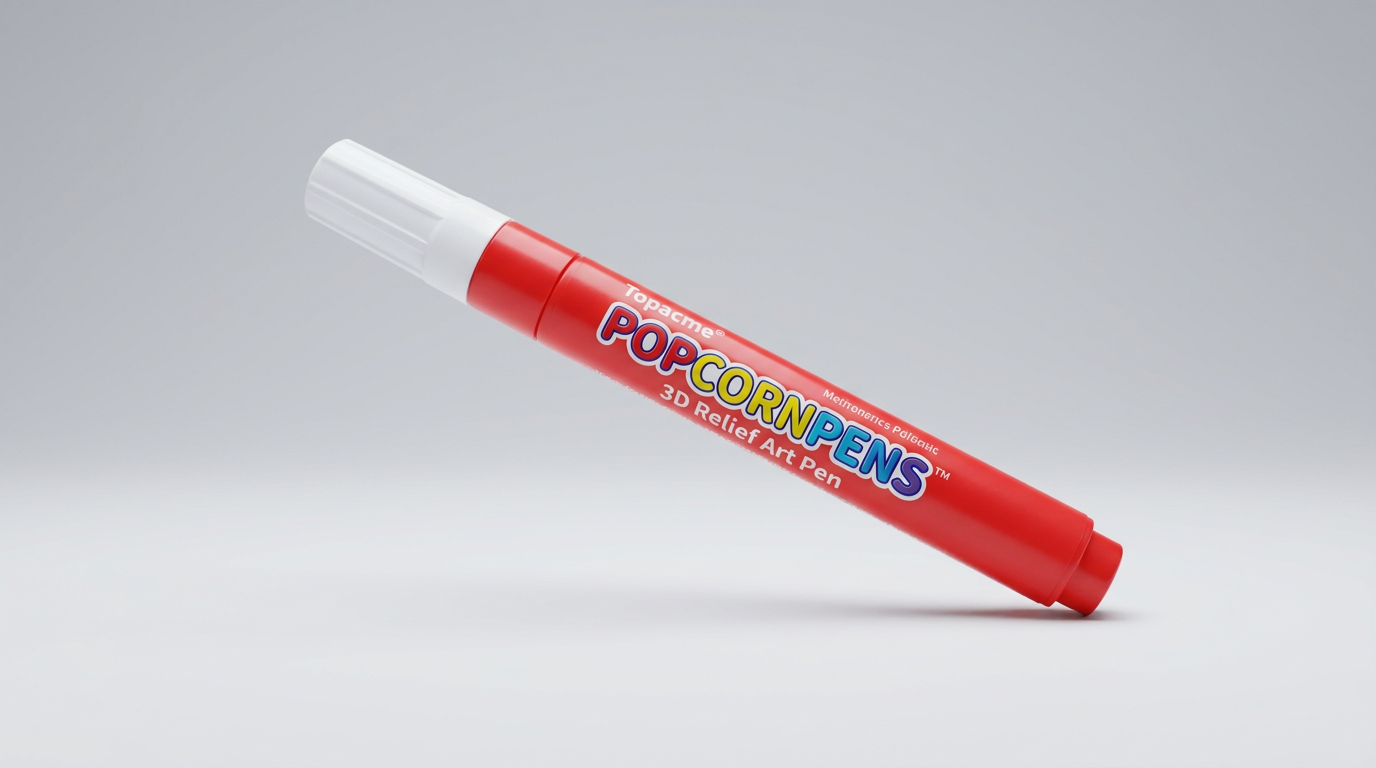
The set consists of six plastic squeeze tubes filled with pigmented chemical medium, finished with basic conical applicator tips. The exterior build is entirely nondescript, featuring generic plastic barrels that offer minimal tactile feedback and uneven dispensing resistance. Achieving a uniform bead of medium requires precise manual pressure, yet the thin plastic casing tends to buckle abruptly, causing sudden ink blots rather than clean vector lines.
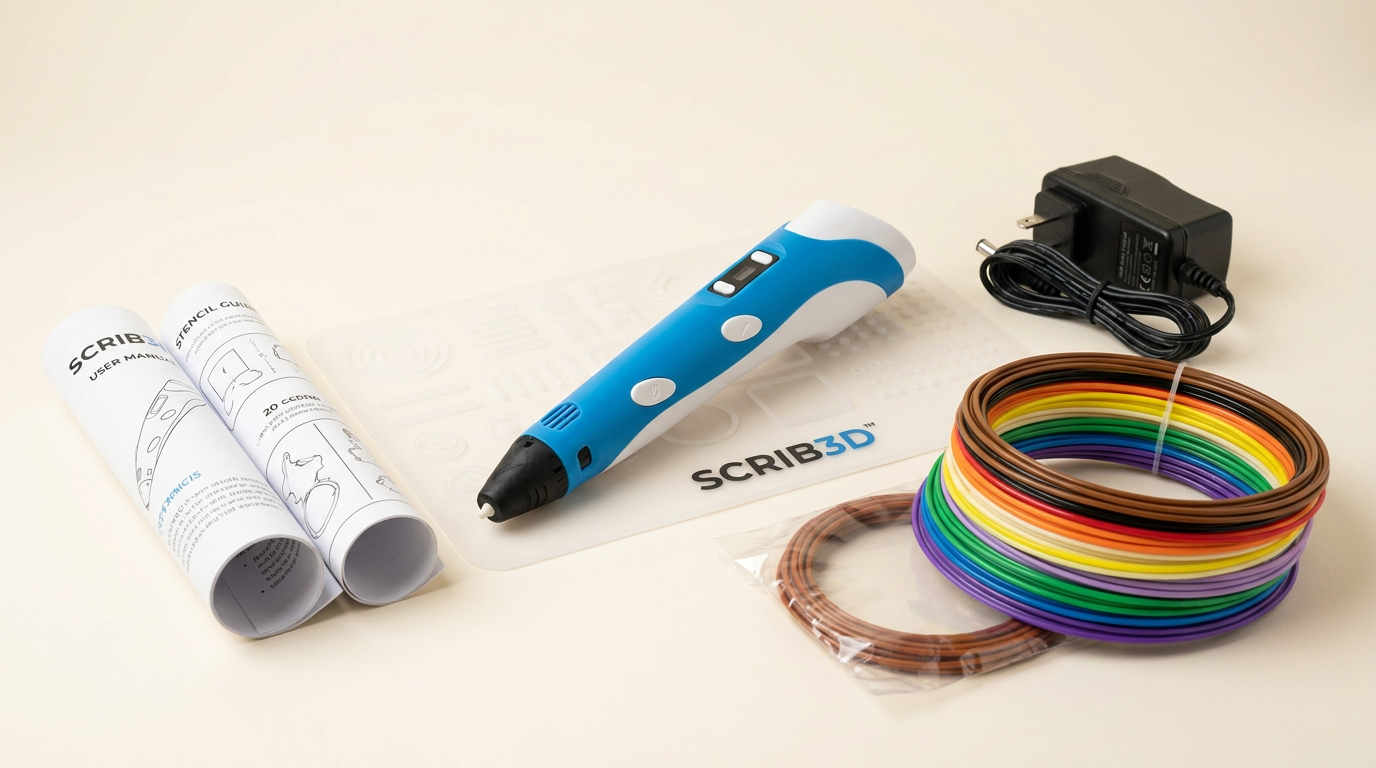
Unlike legitimate 3D printing pens that feed solid thermoplastic filament through an electrically heated nozzle, these pens rely strictly on liquid chemistry. The barrels seal with basic push-fit caps that offer little protection against tip drying over extended storage. The overall construction reflects rock-bottom contract manufacturing, prioritizing lightweight shipping margins over ergonomic balance or tip precision.
Setup & Ease of Use
Operating these pens introduces what is best described as a thermal activation tax. Because the pens possess no onboard heating elements, the user is forced to introduce secondary kitchen or workshop hardware into an art session. The manufacturer suggests using a hot hair dryer, an industrial heat gun, or placing your finished card directly into a microwave oven.
This workflow is as clumsy as it sounds. Squeezing thick liquid onto cardstock is straightforward enough, but heating delicate paper stock inside a microwave invites curling, scorching, and inconsistent chemical reactions. A hair dryer tends to blast wet ink across the page before warming it sufficiently, while a heat gun demands adult supervision and risks burning through thin substrates. Far from being an effortless weekend activity, setup requires balancing volatile liquid media with cumbersome external heat tools.
Performance in Real Use
The core promise of this kit is instantaneous, dramatic expansion into micro-structured 3D foam. In actual testing and owner reporting, the results collapse entirely. Users consistently report that the ink does not puff up into the plush, pillowy structures depicted in marketing materials. Instead of clean, tactile relief, owners are left with slightly raised, blistered, or flatly dried stains that look nothing like the promotional footage.
This failure highlights the fundamental flaw of the video-to-reality deficit. To produce expansion, the chemical foaming agents require an exact thermal curve that household appliances simply cannot deliver reliably across standard paper. The result is an exercise in buyer frustration. Line edges remain rough, coloring appears patchy once dry, and detailed illustrations inevitably deform into messy smears.
Software & Ecosystem
There is no software, companion app, or digital template library associated with these pens. Their primary interaction with the broader tech ecosystem is an aggressive misclassification within online retail catalogs. By listing these markers under additive manufacturing and 3D printing pens rather than novelty craft paints, the product captures search traffic from hobbyists seeking legitimate prototyping pens.
As a standalone analog medium, the pens provide no cross-compatibility with traditional art supplies. The ink resists blending with standard alcohol markers, and because it requires aggressive post-application heating, it cannot be safely paired with heat-sensitive materials like vinyl, foil, or low-weight vellum. You are locked into a very narrow set of heavyweight substrates that can survive oven or heat gun exposure without warping.
Value & Reliability
Priced in the $20 range, this six-pack represents an extraordinarily poor value proposition. Real entry-level 3D pens that melt genuine PLA plastic can be found starting just slightly above this price band, while traditional fabric puff paints from established heritage brands cost a fraction of the price at any local craft retailer.
Reliability is equally dismal. Early adopters express immediate regret, with verified buyers noting that the product is completely unusable for its intended purpose and fails on every marketing claim. When a tool fails to execute its single advertised feature, any price tag constitutes a total loss of investment.
Verdict
Stay Away - These markers fail to deliver the advertised dimensional effects and rely entirely on deceptive viral marketing.
Do not buy these pens for children, card makers, or hobbyists seeking an introduction to tactile art. If you need true dimensional plastic fabrication, invest in an actual filament-based 3D printing pen from an established maker brand. If you simply want raised, colorful lettering on greeting cards, purchase standard dimensional craft fabric paint, which cures predictably without requiring a microwave.
Products like this survive by exploiting the space between viral video illusions and category misplacement. It is neither an additive manufacturing tool nor a dependable creative medium, serving only as disposable plastic destined for an immediate landfill trip.
FAQ
More 3D Printing Pens reviews
This review is based on real experiences shared by owners in online communities.